The Gulf conflict is redefining Malaysian homeownership in 2026
By Joseph Wong
The Malaysian property landscape has long been a resilient pillar of the national economy but as of Feb 28, 2026, it faces a trial by fire. The ongoing conflict in the Gulf, a geopolitical tremor felt thousands of miles away, has sent shockwaves through the local construction and real estate sectors.
For developers, it is a battle for operational survival. For the average Malaysian, it is a race against an inflating finish line in the dream of homeownership.
In this climate of uncertainty, the industry is forced to answer three critical questions: How can projects stay on budget? Is there still a right time to buy? And at what point does the dream become too expensive?
Navigating the conflict
For Malaysian developers, the post-pandemic recovery was supposed to be a period of stabilisation. Instead, a series of events from the 2025 tariffs imposed by the United States of America to the current Gulf conflict has led to a war economy mindset.
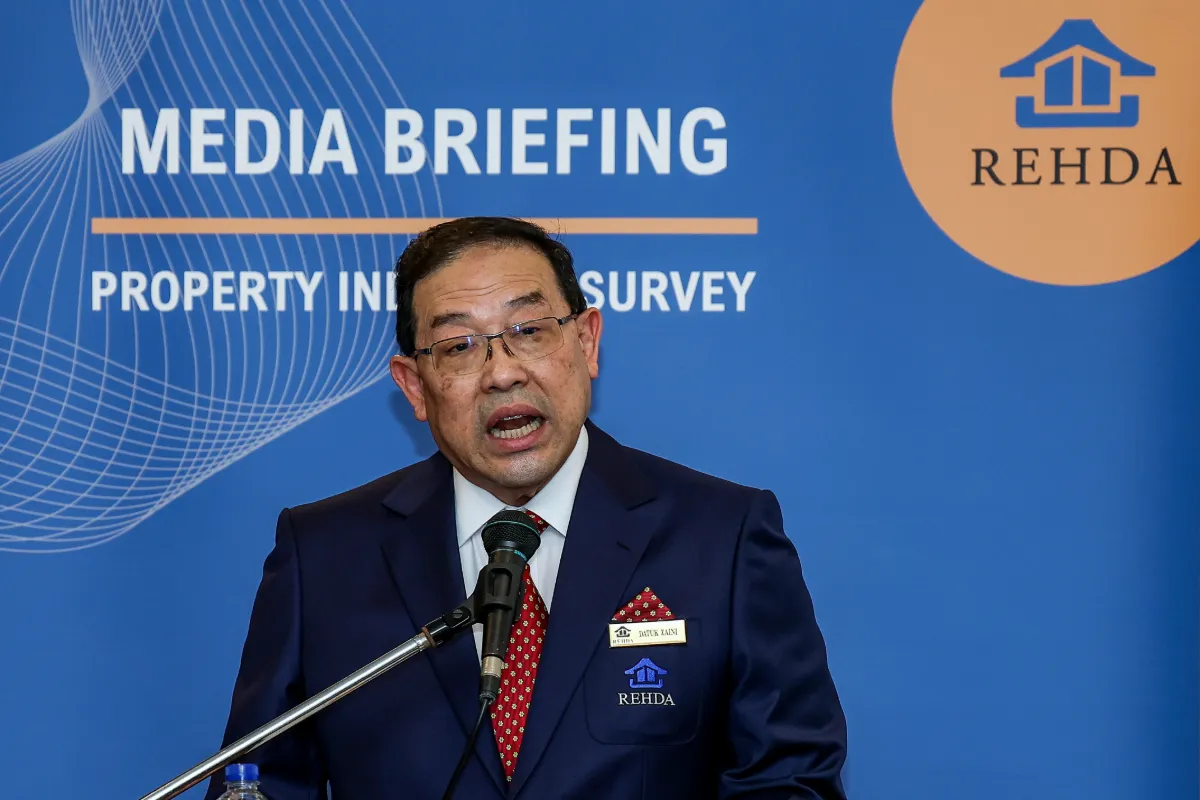
Rising material costs and logistics disruptions have become the primary threats to the timely delivery of homes, noted Real Estate and Housing Developers’ Association (Rehda) president Ho Hon Sang, adding that developers take delivery times seriously.
According to the REHDA Property Industry Survey 2H 2025 and Market Outlook for 2026, developers have moved beyond optimism into aggressive mitigation, he told StarProperty. He pointed out that measures included freezing recruitments, offering fewer benefits to employees, rescheduling planned launches of projects and reducing the scale of launches.
“Developers will always ensure that projects are always on track such as by remaining vigilant of any changes within the project or the industry that can affect their progress prior to project construction as well as during its development, and having clear and concise communication with all parties involved. Any delays in project completion will lead them to LAD (liquidated ascertained damages),” he said.
While Tier-1 developers may have diverse portfolios to weather these storms, the impact on Small and Medium Enterprise (SME) developers is enormous. Unlike their larger counterparts, SMEs often lack significant financing capabilities and deep cash reserves. For these players, a spike in global energy prices or a delay in a steel shipment isn’t just a nuisance. It is a threat to their existence.
REHDA maintains that without targeted government assistance, whether through tax breaks, raw material subsidies or refined labour policies, the responsibility of providing homes to the Rakyat will become increasingly difficult to fulfil.
The buyer’s paradox
In any economic downturn, the natural instinct for a purchaser is to wait for the cooldown. However, in real estate, waiting often results in being priced out. Developers today are faced with the arduous task of convincing hesitant buyers that the best time to buy is, ironically, in the midst of the chaos, noted Ho.
“Ask any developer and they would say that the best time to buy a property is now. I am sure we have all heard of how specific properties used to be priced at a lower amount a few years ago but are much higher now, and how residential property is a strong hedge against inflation,” he explained.
The current wait-and-see approach ignores the reality of rising floor prices. Continuously rising development costs mean that land and construction are becoming more expensive every day.
“While developers do their best to absorb the cost to lessen the burden of would-be homeowners, it is quite an arduous task, especially now that we are facing the possibility of higher increases given the conflict in the Middle East. It may be too soon to gauge the specific impact the conflict will have within the Malaysian property and construction sector, but it is expected to be significant and there is a likelihood that house prices will be affected,” Ho said.
As developers reach the limit of what they can absorb, those costs will inevitably be passed to the consumer. For new purchasers, this means that the house they see today at RM500,000 may very well be RM550,000 by the time global tensions ease.
However, developers are not advocating for blind spending. REHDA encourages financially-able buyers to monitor the market but emphasises the need for due diligence. In a high-risk environment, buyers must:
Secure their financial standing: Ensure that their own Debt Service Ratio (DSR) and cash reserves are robust enough for a long-term commitment.
Verify developer reputation: In an era where SME developers are struggling, choosing a reputable, proven developer is the best insurance a buyer has against abandoned projects or sub-par delivery.
“Rehda will continue to encourage our members to uphold our nation-building role of providing quality, affordable homes for the rakyat in a timely and sustainable manner,” Ho said.
The breaking point
The most pressing concern for the Ministry of Housing and Local Government (KPKT) and the public alike is the breaking point, that is, the moment when rising costs officially push homeownership out of reach for the average Malaysian.
The conflict’s impact is most visible through the lens of energy. As a necessity in almost every day-to-day business operation, a rise in oil prices creates a chain reaction. It increases the cost of transporting bricks, the cost of running heavy machinery, and the cost of the electricity used in sales galleries.
When these construction costs rise too high and the developer’s absorption buffer is exhausted, the market faces a sharp price correction. At this point, the average Malaysian may find that they can no longer comfortably afford the home they once envisioned.
The challenge is two-fold. While house prices rise, the general cost of living also surges. This erodes the purchaser’s spending power. Even if a buyer can afford the mortgage, they may not be able to afford the lifestyle that comes with it. This is where the social fabric of the Malaysian Dream begins to fray.
The path forward
Despite the sombre global outlook, the Malaysian property sector remains a landscape of hope. This hope is anchored in a tripartite partnership between the government, developers and industry players.
REHDA’s stance is clear: they are ever-ready to engage in the strategic discussions required to find a middle ground. “Rehda is ever-ready to be part of any relevant discussions or engagements to find a way to ensure that the rakyat is not severely impacted by the ongoing conflict.
“Rehda will continue to encourage our members to uphold our nation-building role of providing quality, affordable homes for the rakyat in a timely and sustainable manner,” he said.
The Gulf conflict has undoubtedly made the path to homeownership more difficult but it has also forced the industry to innovate. For the buyer, the window of opportunity is narrowing but it remains open for those who act with calculated diligence.
For the developer, the mission remains unchanged: to build the foundation of the nation, one brick at a time, regardless of the global headwinds. Through collaboration and a steadfast focus on nation-building, the dream of owning a home in Malaysia will remain a reality, even in the face of a changing world.
PETALING JAYA: The return of the Bumiputera equity requirement for qualifying property disposals by government-linked companies (GLCs) and government-linked investment...
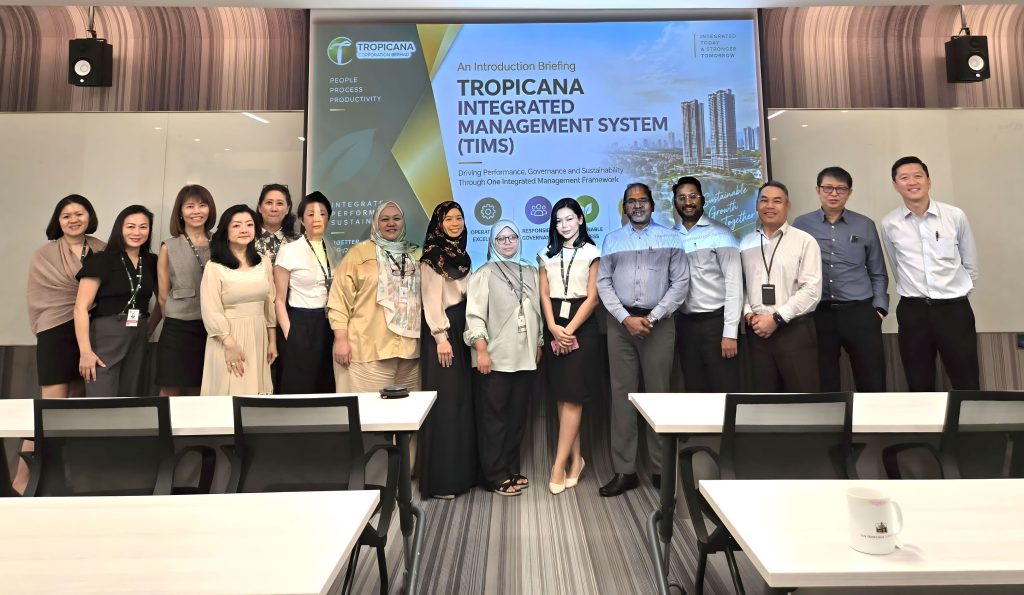
The 18-month initiative will boost company operations through its unified management approach. PETALING JAYA: Tropicana Corporation Bhd has begun implementing...











POST YOUR COMMENTS