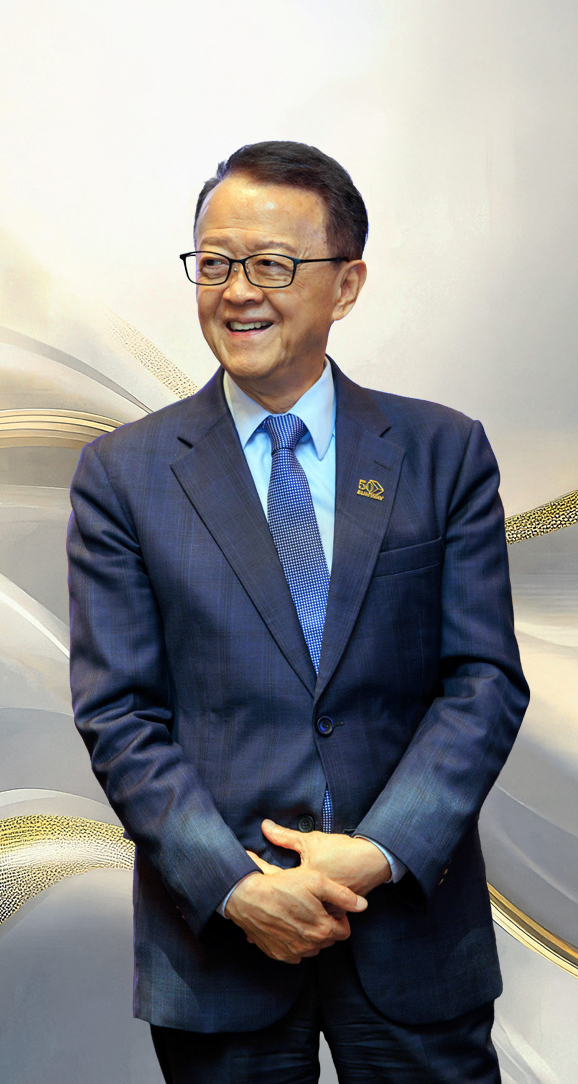
“Developments built for the next decade must be designed to last because climate change is increasing the frequency and intensity of flash floods and extreme weather events,” said Cheah.
How Tan Sri Dr Jeffrey Cheah reengineered the soul of Malaysian real estate
By Joseph Wong
The story of modern urban development is typically written in metric tons of concrete, soaring glass spires and aggressive capital appreciation curves. For decades, the global real estate playbook remained remarkably transactional. This is basically limited to raw land acquisition, high-density development, maximising immediate gross development value (GDV), selling of inventory and moving on to the next geographical horizon. It is a model optimised for short-term balance sheets but fundamentally detached from the long-term vitality of human communities.
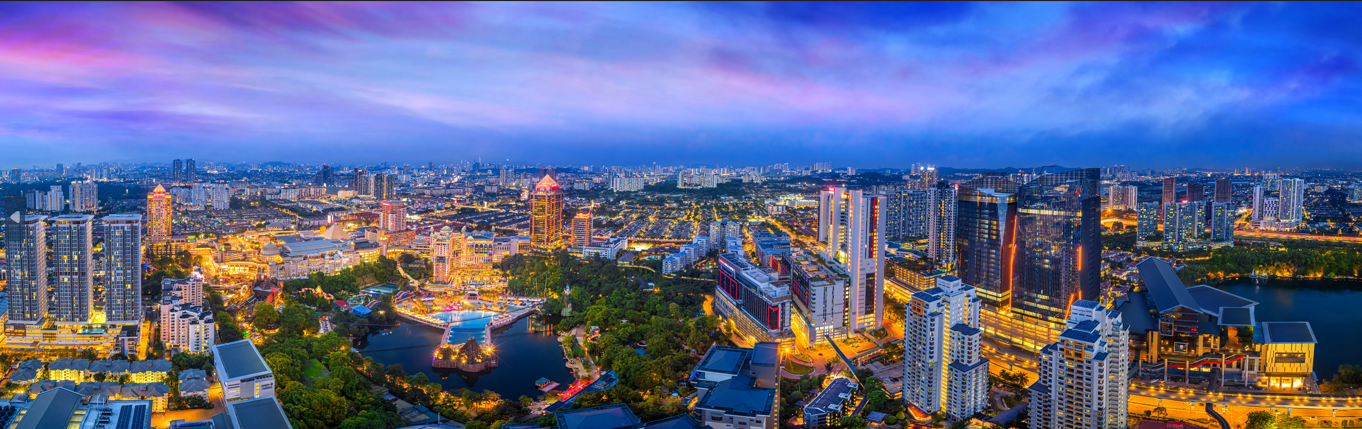
Yet, travelling through the heart of Sunway City Kuala Lumpur reveals a completely different philosophy in action. A vibrant, thriving urban ecosystem of over 200,000 people living, working, playing and studying safely in an eco-friendly environment, this township stands as a physical critique of short-term property development.
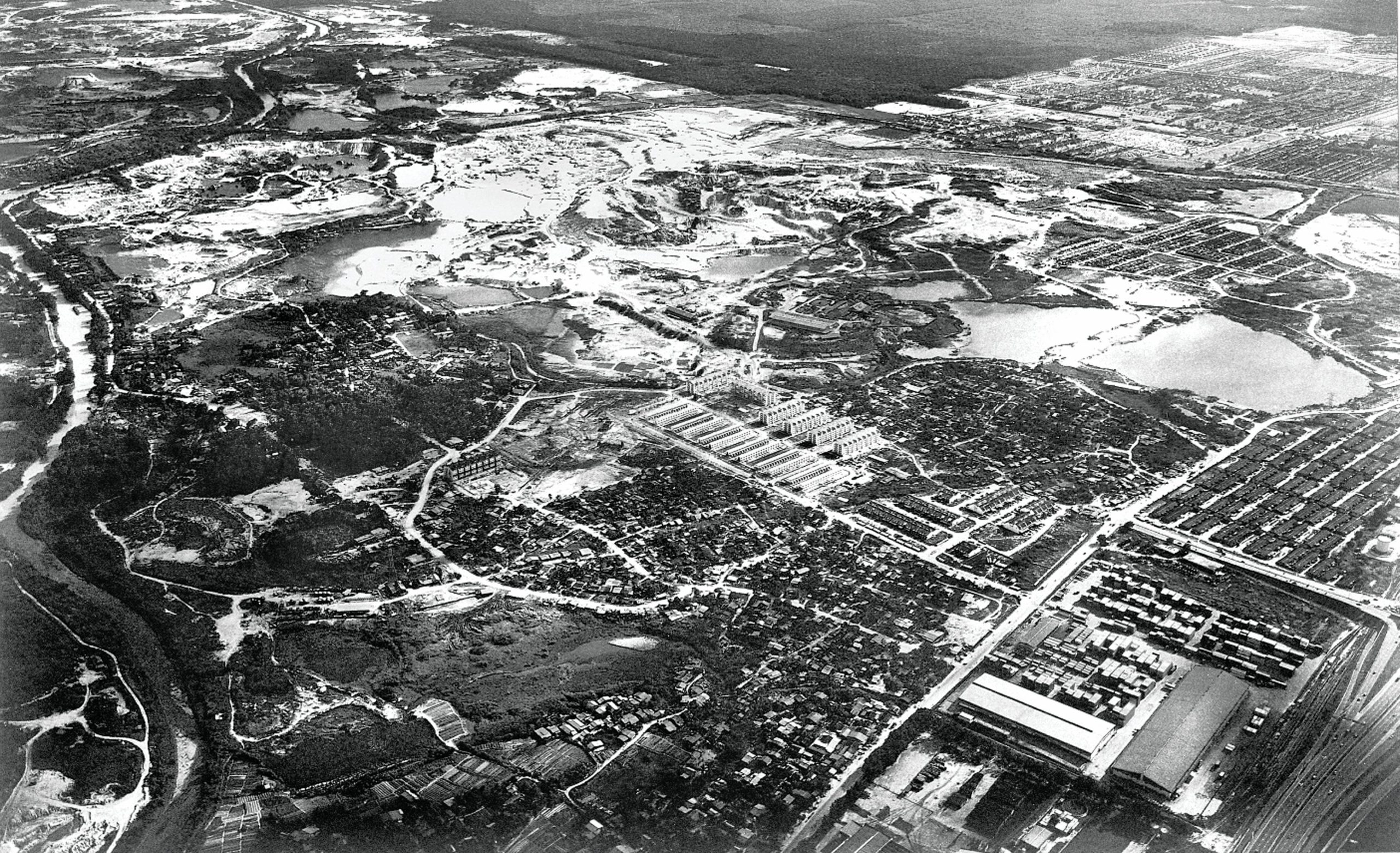
Where others saw a scarred wasteland of disused tin-mining pools in the 1980s, Tan Sri Dr Jeffrey Cheah KBE AO saw a blank canvas for human progress.
As Sunway marks 52 years of operational excellence, Cheah has solidified his status as a legendary property titan. He is a visionary who did not merely participate in the market but reengineered the operational framework of real estate development. Through his pioneering Build-Own-Operate business model, Cheah proved that a developer’s responsibility does not end when the last keys are delivered but extends to the long-term stewardship of the communities they create, demonstrating that sustainability and profitability can go hand in hand.
Integrated, low-carbon and resilient
The real estate sector is approaching a significant turning point, facing structural and socioeconomic shifts that will make legacy development models obsolete.
Looking at the next decade of real estate evolution, Cheah emphasised that success will no longer be measured by physical scale but by operational adaptability and human alignment.
“Malaysia has witnessed a remarkable transformation in its property sector over the past five decades,” Cheah noted. “I believe the next decade will be defined by how well developers anticipate the changing needs and aspirations of the communities they serve. One trend we anticipate is the increasing popularity of integrated developments. This is why our unique Build-Own-Operate model continues to set us apart from our competitors.”
This shift is driven by a profound evolution in consumer values. Contemporary home buyers are no longer just looking for a roof over their heads. They are seeking an elevated quality of life, real safety and a genuine sense of connection. This demand plays directly into the 15-minute city model championed by Sunway, where essential components, such as residential, commercial, healthcare, education, leisure and hospitality, are all within easy walking distance or accessible by public transport.
However, designing an integrated township in 2026 requires accounting for escalating climate realities. Severe weather events and intense flash floods are placing unprecedented pressure on ageing urban infrastructure designed for a very different climate era.
To future-proof tomorrow’s landscape, Cheah insists that new projects must be built for long-term climate resilience: “There is a growing expectation that these communities must be low-carbon and climate-resilient. Developments built for the next decade must be designed to last because climate change is increasing the frequency and intensity of flash floods and extreme weather events. Many existing infrastructure systems were planned for a very different climate reality. This is why, at Sunway, our developments are designed to be future-proof, with the sustainability agenda in mind.”
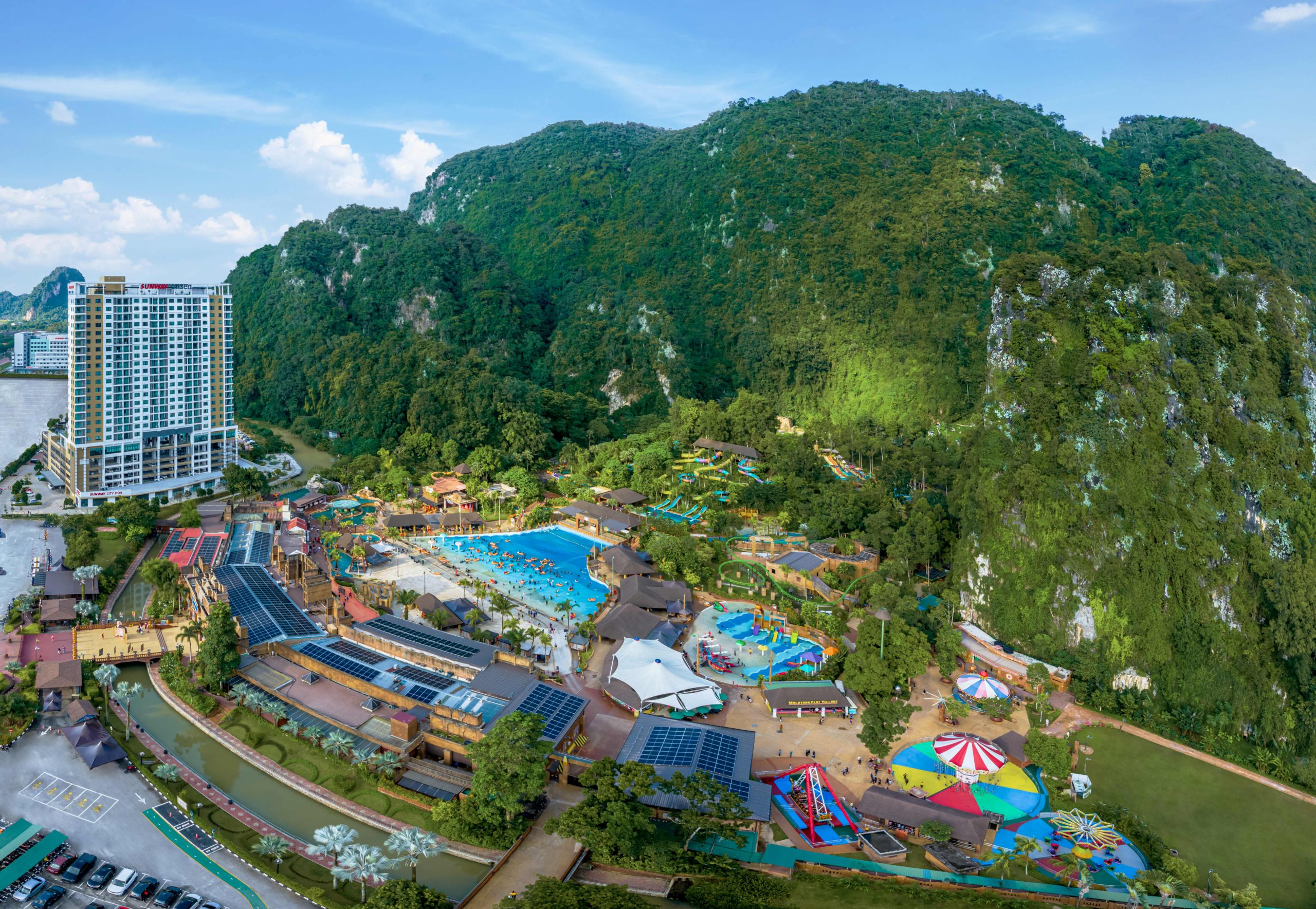
This long-term, protective approach is replicated across Sunway’s expanding national footprint. Whether executing upcoming transit-oriented developments (TODs) like Sunway Seremban Sentral in Negeri Sembilan and the Sunway Rapid Transit System (RTS) Bukit Chagar development in Johor Bahru or scaling massive townships like Sunway City Ipoh in Perak and Sunway City Iskandar Puteri in Johor, the core strategy remains identical: build integrated, low-carbon environments designed to endure for generations.
Rejecting short-termism
A primary obstacle preventing the broader real estate industry from achieving true sustainability is a persistent focus on short-term gains. Many property players operate on an ad-hoc basis, treating construction as a temporary transaction rather than a lifelong operational commitment. Cheah stands firmly against this short-termism, arguing that true value creation requires a permanent presence. “As a master community developer, I have always maintained that our responsibility continues well beyond the day the last unit is sold and delivered,” Cheah explained. “Too often, real estate developers focus on building, selling and moving on to the next project. But communities are built over time and that requires a longer-term view. This is the conviction behind our Build-Own-Operate model which makes us a full-fledged and lifelong partner of the communities we serve.”
This structural commitment is organised through Sunway’s public-listed ecosystem. Sunway Construction handles the physical execution, Sunway REIT secures the assets and Sunway Bhd manages daily operations. Over the years, Sunway Healthcare Group has grown into a cornerstone of this ecosystem. Its flagship Sunway Medical Centre in Sunway City Kuala Lumpur was recently ranked Malaysia’s No 1 hospital and No 138 globally in the US-based Newsweek’s World’s Best Hospitals 2026 rankings, reflecting the Group’s commitment to healthcare excellence.
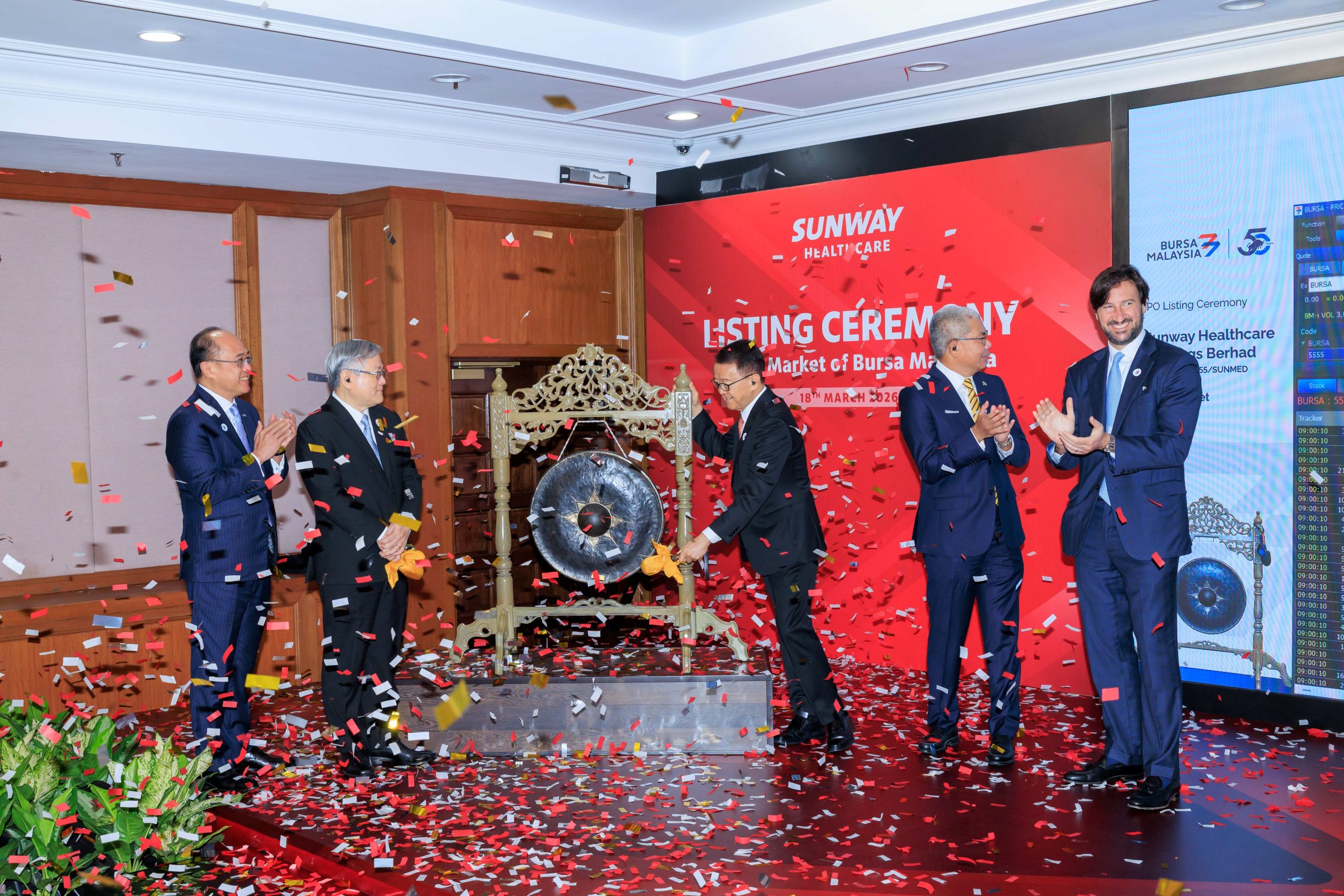
A clear testament to this model’s success is the historic public listing of Sunway Healthcare Group in March 2026. Marking the largest IPO on Bursa Malaysia in nearly a decade, the listing reflects immense investor confidence in the brand. Today, the four public-listed entities under the Sunway umbrella command a combined market capitalisation of more than RM76bil.
This massive corporate scale was built on a simple foundation of absolute trust. Cheah frequently reminded his team that keeping a promise takes precedence over short-term profits. “I have often told my team that we must always deliver on our promises, even if it means we lose money because in business, trust is everything,” he reflected.
At the same time, Cheah pointed out that true systemic change cannot be achieved by corporate initiatives alone. Resolving major challenges, such as preventing abandoned housing projects and building energy-efficient neighbourhoods, requires close, structured public-private partnerships.
“None of this can be achieved by the private sector alone. A holistic approach to township planning must involve both the private and public sectors. Policymakers and developers need to work together to establish robust frameworks that ensure cohesive, well-planned township developments. This collaboration is essential if we are to avoid poorly planned projects that contribute further to the high number of abandoned housing projects,” he said.
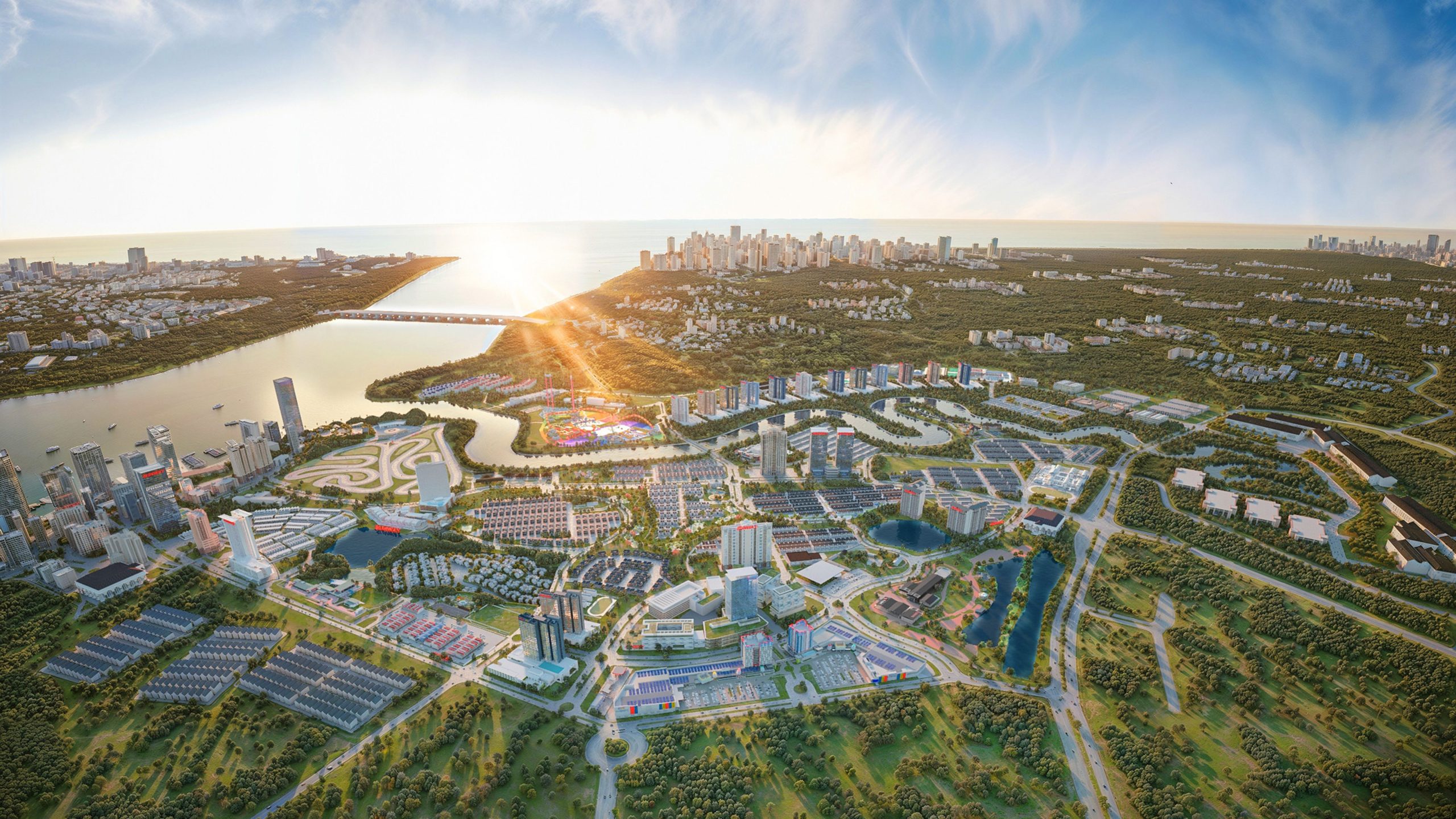
A present day aerial photo of Sunway City Kuala Lumpur.An aerial file photo of Sunway City Kuala Lumpur in the 1980s.
From wasteland to wonderland
The origin story of Sunway City Kuala Lumpur has become a legendary masterclass in environmental restoration. In the 1980s, the land was a barren, scarred landscape of abandoned tin-mining pools. Transforming this wasteland into a thriving city required an extensive rehabilitation effort, restoring the local physical and social ecosystem from the ground up.
Today, the township serves as a premium benchmark for residents who can easily access premier education, commercial offices, healthcare and retail amenities via a 4.3km elevated, covered pedestrian canopy walkway, a free electric shuttle system and the Bus Rapid Transit (BRT) – Sunway Line. As Southeast Asia’s first elevated BRT system running entirely on electric buses, it connects seamlessly with Kuala Lumpur’s primary railway networks (KTM and LRT), showing how smart infrastructure can drastically reduce urban carbon footprints.
Driven by a desire to protect the planet for future generations, Sunway has fully integrated the United Nations’ 17 Sustainable Development Goals (SDGs) into its corporate DNA. The Group has pledged to achieve net-zero carbon emissions by 2050 and became the first corporation in Malaysia to implement an internal carbon-pricing framework to incentivise innovation and carbon reduction strategies.
“I am proud to share that Sunway has continued to demonstrate that sustainability and profitability can go hand in hand. As a purpose-driven corporation committed to making a positive and lasting difference in society, we firmly believe in the Three-P bottom line of People, Planet and Prosperity,” said Cheah.
Reversing brain drain
While technologies, financing models and architectural styles continue to evolve, Cheah maintains that an organisation’s ultimate success is decided by its values and human capital. Even if Sunway were being founded from scratch in today’s digital-first, ESG-centric environment, its core values of integrity, humility and excellence would remain entirely unchanged.
“Integrity is not just doing the right thing but doing things the right way,” Cheah explained. “Humility reminds us to be humble, polite and respectful. It teaches us that no matter how smart we think we are, there’s always someone else out there who’s smarter. Excellence is about always pursuing and delivering the highest standards and quality in all that we do.”
These core values guide Sunway’s efforts to solve one of Malaysia’s toughest socioeconomic challenges and that is the continuous brain drain of top-tier talent to neighbouring countries. To reverse this flow, Sunway has invested heavily in creating world-class ecosystems that encourage skilled professionals to return home.
Sunway City Kuala Lumpur hosts three top-tier private universities located within walking distance of each other, namely Sunway University, Monash University Malaysia and Taylor’s University.
To leverage this ecosystem of educational excellence, Cheah brought the three institutions together into a collaborative partnership known as the Triple Alliance. “I invited the three universities to come together and form a collaborative partnership named the Triple Alliance, which collectively comprises more than 65,000 students, strengthening what is already a vibrant, flourishing and dynamic environment in Sunway City Kuala Lumpur that is unique in this region,” Cheah shared. “The combination of Taylor’s and Monash working together with Sunway University contributes towards my mission to deliver quality education and world-class research by creating a regional education hub.”
Cheah (centre) striking the gong to mark Sunway Healthcare Group’s official debut on Bursa Malaysia
Capital linked to higher purpose
As Sunway Healthcare scales its operations post-IPO with plans to double its capacity to some 4,000 beds by 2032 via new facilities in Seremban, Iskandar Puteri and Putrajaya, Cheah ensured that this corporate growth remains tied to a clear social purpose.
For Cheah, corporate success is a vehicle to drive nation-building, primarily through quality education and healthcare. This conviction led to the creation of the Jeffrey Cheah Foundation that owns and governs the Sunway Education Group under a not-for-profit structure.
The foundation stands as the largest of its kind in Malaysian history, having gifted and endowed more than RM4bil to society in perpetuity. By the end of 2026, the foundation will have awarded more than RM1bil in scholarships and grants, ensuring quality education remains accessible to all students, regardless of background. To secure this mission long into the future, Cheah pledged an additional RM500mil by 2030 to establish a major education endowment, committing RM100 million annually over five years.
“I have always said that the longer I live, the more I will give. This is our commitment to nation-building and our long-term investment in our future generations. I firmly believe that the destiny of a person, society and nation is shaped by quality education, ethical values and high moral character,” he said. Reflecting on his journey, Cheah remains an optimist, inspired by the passion of the younger generation to build an equitable, sustainable future. His personal motto—I aspire to inspire before I expire—continues to guide his daily work.
Through a corporate history that includes surviving the 1997 Asian Financial Crisis and building a 20,000-strong workforce across 13 business divisions, his fundamental goal has never wavered: use real estate as a powerful force for good. Cheah has set a new standard for property development, proving that true titans do not just build structures but lasting legacies that lift up an entire nation.
Sunway City Iskandar Puteri.Sunway City Ipoh.
Behind the legend
To the global business community, Tan Sri Dr Jeffrey Cheah is the visionary billionaire who transformed a tin-mining wasteland into a multi-billion ringgit empire. He is a corporate icon who meets with prime ministers, signs historic partnerships with Cambridge and Harvard as well as leads public-listed entities with absolute conviction. But behind the sharp suits and philanthropic endowments lies a warm, energetic personality with a hidden history that surprises many who enter his orbit.
Long before he was a property titan, Cheah was a student in Melbourne, navigating the 1960s Australian music scene. As the passionate drummer for a student band named The Ambassadors, Cheah spent his weekends performing at local town halls and university pubs to earn extra pocket money.
The band’s claim to fame? They served as the live backup band at a local pub for an up-and-coming young vocalist named Olivia Newton-John.
“For us, it was just another payday,” Cheah laughs. “None of us believed back then that she would go on to become a global superstar.” While his professional drumming days have transitioned into corporate leadership, a full drum kit still sits inside his residence today, where he occasionally lets loose to clear his mind after an intense day in the boardroom.
On the corporate battlefield, Sunway staff describe working for Cheah as an inspiring, high-velocity experience. He is a committed listener who gathers diverse insights before making a decision but he is also a perfectionist who notices every detail. Senior executives recount instances where Cheah, walking through a mall or campus, would stop to spot a misaligned tile, a flickering lightbulb or a plant that needed watering. His operational standard is absolute: If your name is on the building, every square inch must reflect excellence.
This meticulous attention to detail extends directly into his health protocols. Cheah is a passionate health evangelist who maintains an active lifestyle, eats mindfully and protects his sleep schedule. He continuously encourages his workforce to avoid sedentary habits and maintain a healthy weight.
Within the Sunway corporate headquarters, a legendary unwritten rule exists. If an employee is travelling less than three floors, do not let Tan Sri catch you using the elevator. He views short elevator rides as an operational waste of human energy, frequently encouraging staff to use the stairs instead.
His care for his team is well known across the group’s 20,000-strong workforce. Cheah famously joked: “We take care of our people from the cradle to the deathbed but not the graveyard because I don’t do graveyards!” This balance of rock-and-roll energy, sharp perfectionism and deep empathy creates a unique corporate culture. He is a leader who expects your absolute best work but will gladly stand by your side to help you achieve it.
The 18-month initiative will boost company operations through its unified management approach. PETALING JAYA: Tropicana Corporation Bhd has begun implementing...






POST YOUR COMMENTS