Affluent homeowners are embracing hotel-inspired living where service, convenience and peace of mind become the ultimate indulgence
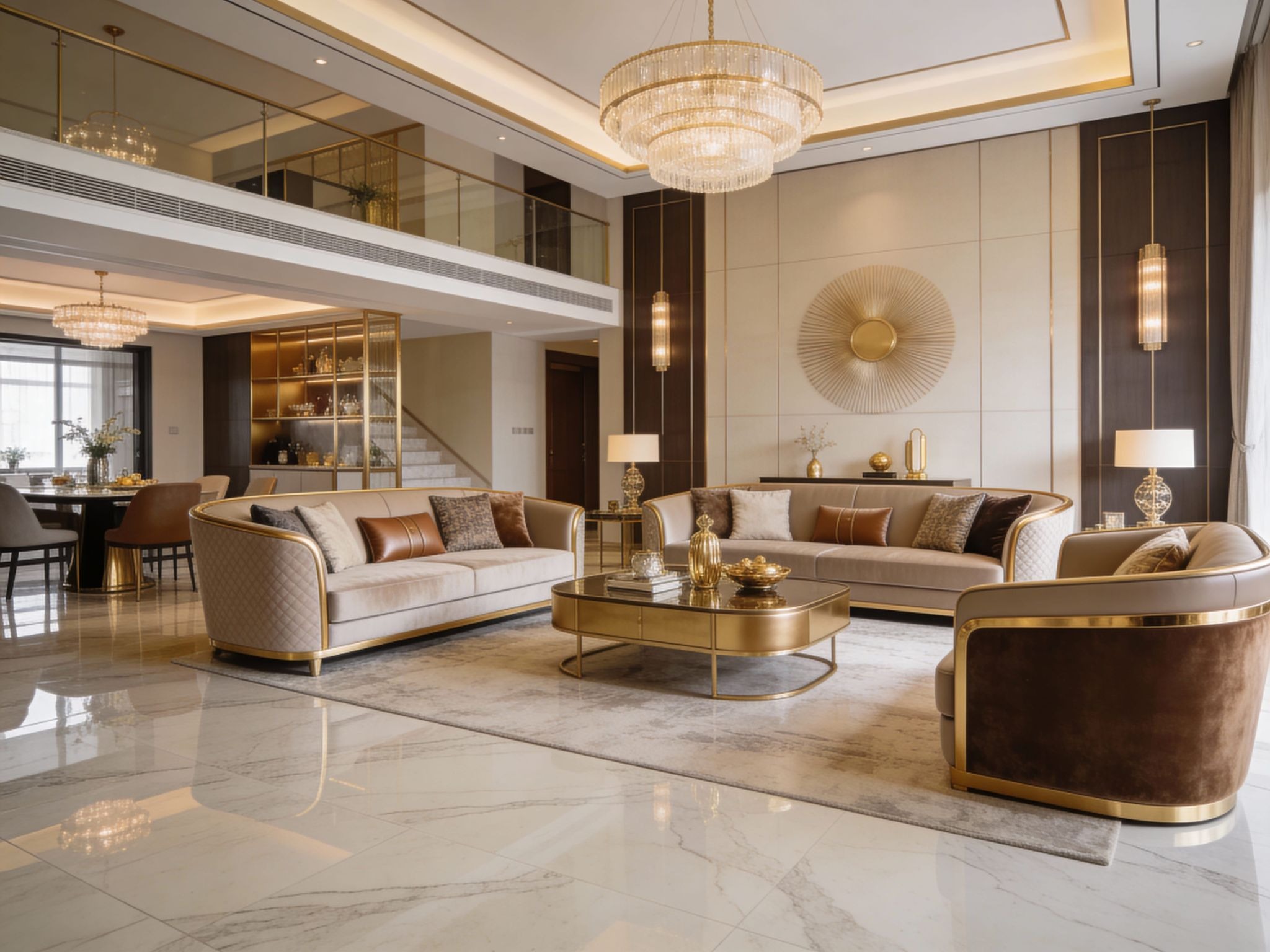
Luxury has traditionally been personal. Affluent home owners commission award-winning architects, select premium materials and shape homes around their tastes and lifestyles. From bespoke interiors to statement architecture, luxury homes have long served as expressions of individuality.
Yet a different version of luxury also gained traction. Through branded residences, hospitality brands are extending their influence beyond hotels and into private homes, bringing with them concierge services, hotel-inspired amenities and carefully managed living experiences. Increasingly, luxury is becoming not just something home owners curate for themselves but something professionally curated on their behalf.
So as the lines between home and hospitality continue to blur, an interesting question begins to surface. Are home owners outsourcing luxury? Luxury housing remains a niche in Malaysia. According to data from the National Property Information Centre (Napic), homes priced above RM1mil accounted for just 5.9% of residential transactions in 2025 which underscores just how exclusive the segment really is. Yet within this market, buyer expectations appear to be evolving beyond spacious layouts and imported finishes. Now, the trend has moved towards convenience, seamless services and professionally managed living such as having a round-the-clock butler.
From Fraser to Four Seasons
But while branded residences may appear to be a relatively recent trend, it is interesting to note that the concept first took root in Malaysia in the early 2010s. Developments like Jalan Cendana’s Fraser Residence Kuala Lumpur and Pavilion Banyan Tree Signatures introduced the hospitality-managed luxury living concept where hotel-inspired services became the core of the residential experience.
The segment soon evolved once the concept took off. By the late 2010s, projects such as The Residences at St Regis Kuala Lumpur, Four Seasons Private Residences Kuala Lumpur and YOO8 serviced by Kempinski at 8 Conlay had people talking about branded living. The pairing of prestigious hospitality names with curated services, management standards and lifestyle experiences proved appealing to affluent buyers.
Savills world research director Paul Tostevin said, “As market conditions and buyer preferences evolve, there is huge potential for the branded residences sector. Branded property is positioned to stand out in more challenging market conditions.”
Malaysia’s growing appetite for branded residences also reflects a wider global trend. According to Knight Frank’s The Residence Report, branded residences are gaining traction in luxury markets as buyers increasingly seek more than just prestigious addresses. Lifestyle, service consistency and curated experiences are becoming stronger selling points, particularly among affluent buyers looking for seamless and professionally managed living environments.
More than location and square footage
However, conventional luxury developments often place emphasis on prime locations, large built-ups or classy finishes. Branded residences, on the other hand, offer something starkly different. Buyers are purchasing more than just a home but an entire established ecosystem shaped by hospitality principles where top-notch services and experiences become part of daily life.
Depending on the development, this can range from concierge and housekeeping to wellness facilities, resident programming, private dining and hotel-level service standards. Some branded residences also offer hotel privileges to residents while others place emphasis on hospitality-trained management teams and seamless upkeep services.
This is subtly changing how luxury is being defined. Historically, luxury homes were deeply personal, shaped through architecture, interior design and customised features. Home owners curated spaces that reflected their identities, preferences and aspirations.
Branded residences, however, offer a different proposition. Having a prime location and thousands of square feet is one thing but luxury is also about how effortlessly life can be lived within those spaces. Rather than designing and curating every aspect on their own, home owners may be placing greater trust in globally recognised hospitality brands to shape parts of the living experience.
To some extent, could this still be seen as outsourcing luxury? Perhaps home owners are not outsourcing taste but outsourcing uncertainty. Hospitality brands are often associated with consistency, service standards and predictability. In dense urban environments where maintenance quality and day-to-day management can have drastic effects on liveability, the appeal of professionally managed luxury living becomes easier to understand. Having a leak fixed immediately instead of sending multiple follow-up emails over weeks to JMBs makes the idea even more tempting.
After all, luxury is increasingly becoming less about extravagance that is loud and visible and more about seamless experiences. While imported marble, premium appliances and exclusive addresses definitely continue to matter, the definition of luxury may be expanding to include greater convenience, privacy and peace of mind.
The hotel playbook
This is also reflected in how luxury developments are increasingly borrowing from the playbook of high-end hotels. In hospitality, experiences are carefully designed to feel effortless. Attention is paid not only to aesthetics but also to operations, service, ambience and comfort.
The arrival experience, discreet assistance, smooth operations and carefully maintained environments are all part of what makes a luxury hotel feel luxurious. Increasingly, branded residences are adopting similar principles, extending hospitality into everyday residential life.
Globally, the concept has also evolved beyond simply attaching a hotel name to a residence. Some branded developments are increasingly revolving around wellness, lifestyle and curated ecosystems. In Dubai, for instance, Knight Frank highlighted SHA Residences, a branded residential concept integrated with a medical-grade wellness resort, reflecting how luxury living is increasingly expanding beyond aesthetics towards health, convenience and overall wellbeing.
In many ways, this raises a bigger question about what luxury means today. If luxury once centred on self-expression and personal curation, branded residences now suggest that some home owners may increasingly value trusted curation instead. Rather than spending time managing every detail, some buyers may prefer homes where service, upkeep and convenience are already carefully considered and catered.
Perhaps the rise of branded residences says less about prestige and more about priorities. Is luxury no longer defined solely by what home owners own, but by what they no longer have to think about?
PETALING JAYA: The return of the Bumiputera equity requirement for qualifying property disposals by government-linked companies (GLCs) and government-linked investment...
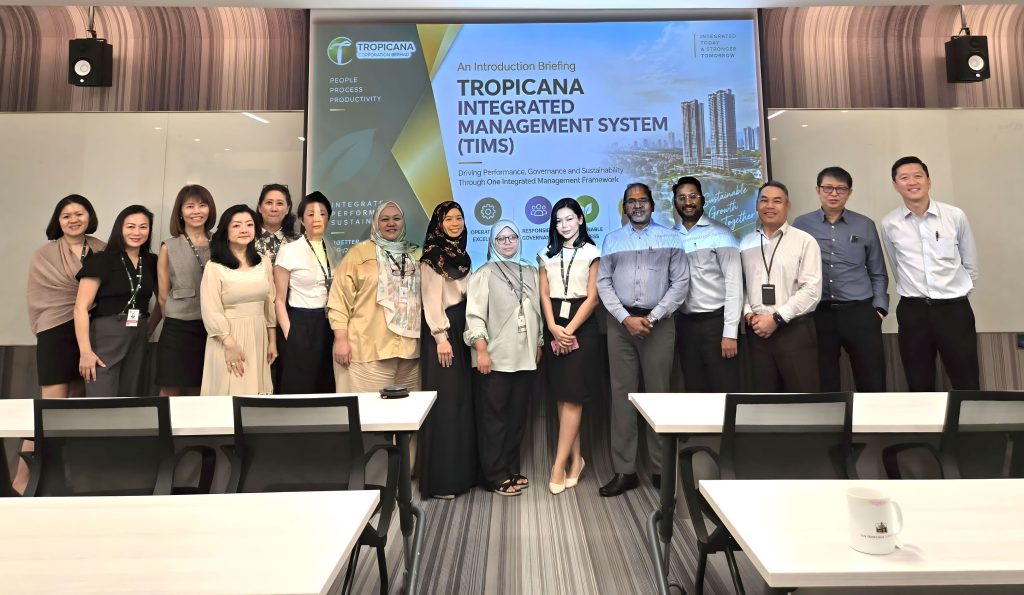
The 18-month initiative will boost company operations through its unified management approach. PETALING JAYA: Tropicana Corporation Bhd has begun implementing...





POST YOUR COMMENTS