Navigating the market contradiction of premium living
Jun 19, 2026
The perception of luxury living differs between the poor and the rich
By Joseph Wong
The global marketplace has been undergoing a profound conceptual transformation, driven by an idiom that traditionalists once dismissed as an operational impossibility: affordable luxury. By all accounts of classical economic theory, the phrase is a blatant marketing contradiction. It is a space where the inherent exclusivity, rarity and protective barriers of luxury collide directly with the mechanics of mass-market pricing and scalable distribution.
Historically, the luxury sector operated on an unyielding foundation. It relied heavily on extreme scarcity, prohibitive pricing architectures, generational heritage and a deliberate refusal to cater to the general public. To own a luxury asset was to possess a definitive status symbol that verified one’s membership in an elite, ultra-high-net-worth (UHNW) demographic.
However, the modern consumer landscape has dismantled this rigid framework. Driven by structural shifts in consumer psychology, real estate development and retail design, affordable luxury has emerged as a highly structured, valid macroeconomic paradigm. It does not look to replicate traditional opulence, but instead, it democratises status. By relying on highly curated entry-level products, accessible yet sophisticated materials and broader, omnichannel distribution networks, brands can capture an expansive, aspirational audience without fully degrading their core brand equity.
Exclusivity vs accessibility
The rapid rise of this segment has sparked an intense, ongoing debate across the global design and corporate landscape. This ideological divide highlights two fundamentally different interpretations of how modern societies interact with value, status and space.
Purists and luxury brand preservationists argue that true luxury cannot, by definition, be widely accessible. The core value of a luxury asset does not merely stem from its material utility but from its social distance. If an item, an interior space or a residential development is mass-produced, heavily licensed or easily attained by the middle-income tiers, it instantly loses the mystical aura of prestige. In this view, accessibility is the ultimate poison to a status symbol. Once a brand becomes common on the street or within everyday suburban corridors, it undergoes brand dilution and reverts to a mass-market commodity.
Conversely, industry proponents and contemporary designers argue that luxury is entirely subjective, evolutionary and experiential. In the modern context, luxury is no longer anchored to a hyper-inflated price tag or the enforcement of class exclusion. Instead, it represents superior craftsmanship, thoughtful layout curation, ethical manufacturing and high-quality materials that deliver a heightened sense of personal well-being.
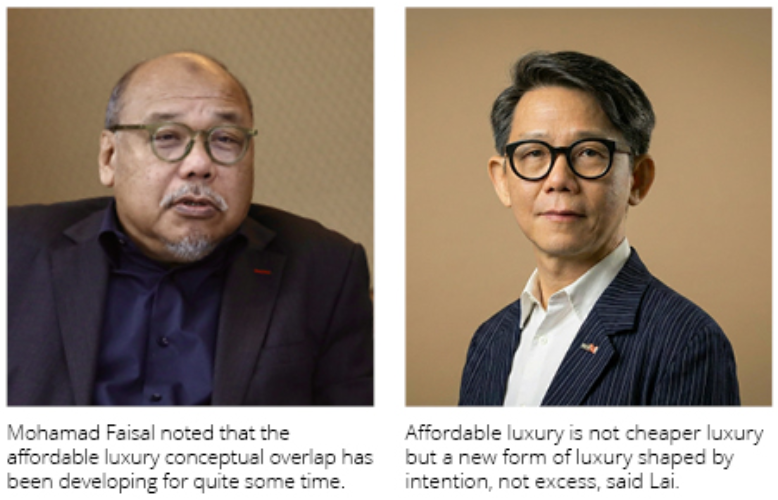
“Affordable luxury does exist but it depends on how we define luxury today,” explained Blu Water Studio co-founder and chief executive designer Lai Siew Hong. “Today’s luxury is less about opulence and more about experience, design and emotional value. Affordable luxury is not cheaper luxury, it’s a new form of luxury shaped by intention, not excess.”
This ideological evolution has found a highly receptive home within the real estate and spatial design sectors, where developers are actively rewriting the rules of urban living. The oxymoron of affordable luxury has transitioned from a theoretical marketing pitch into an active urban planning strategy.
Malaysian Institute of Interior Designers (MIID) past president Adj Prof Mohamad Faisal Ghazali, who is also an Arcradius director, noted that this conceptual overlap has been developing for quite some time. The target audience represents a highly specific, rapidly expanding socio-economic demographic.
“This segment targets real estate priced for the upper-middle-income group rather than the ultra-wealthy,” he explained. Buyers look for distinct lifestyle benefits that mimic true luxury living. Their top choices include modern facilities, AI-driven smart-home technology, prime locations and vibrant communal spaces. “Forward-thinking developers in Penang, Iskandar Johor and Kota Kinabalu have already begun successfully marketing this concept,” he noted.
Premiumisation over square footage
In property development, this paradigm shift manifests as a strategic pivot toward premiumisation over raw spatial size. As land scarcity in core urban centres drives up construction costs, building massive, sprawling penthouses for an ultra-wealthy elite is a high-risk gamble. Simultaneously, middle-income buyers, particularly the upper M40 demographic, refuse to accept uninspired, utilitarian mass housing.
The compromise is affordable luxury real estate. Developers structure these projects by designing compact, highly efficient private residential units that minimise unnecessary square footage, thereby keeping the purchase price attainable for the upper-middle-income group.
However, they radically elevate the development’s value proposition by investing heavily in shared lifestyle benefits and top-tier communal infrastructure. These projects include:
Smart living integrations: Deploying internet-of-things (IoT) ecosystems, automated facial-recognition security gates and AI-driven climate control systems within the units.
Five-star common facilities: Building panoramic rooftop infinity pools, professionally equipped co-working lounges, private screening theatres and wellness spas.
Strategic urban placement: Placing these developments in highly connected, transit-oriented development (TOD) nodes in premium growth corridors like Penang, Iskandar Puteri in Johor and Kota Kinabalu.
The buyer does not pay the multi-million ringgit price tag of a super-wealthy estate, yet they enjoy a daily lifestyle that looks and feels like luxury living.
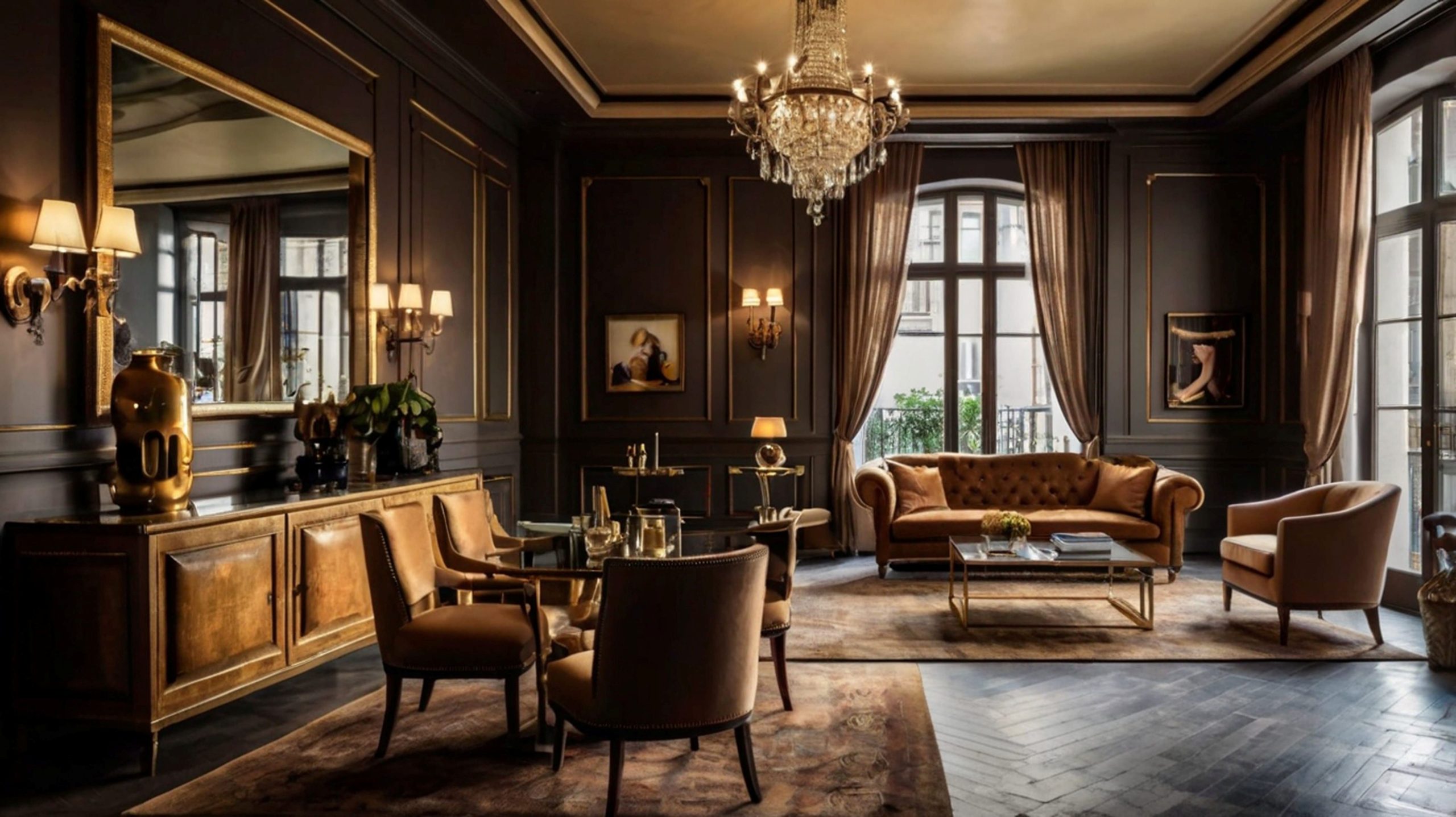
Thoughtful interior curation instantly elevates a space, giving it an undeniable premium aesthetic.
Consumer brands walk the tightrope
To balance this structural contradiction without destroying their precious brand equity, corporate entities and fashion houses employ specific, highly disciplined operational strategies.
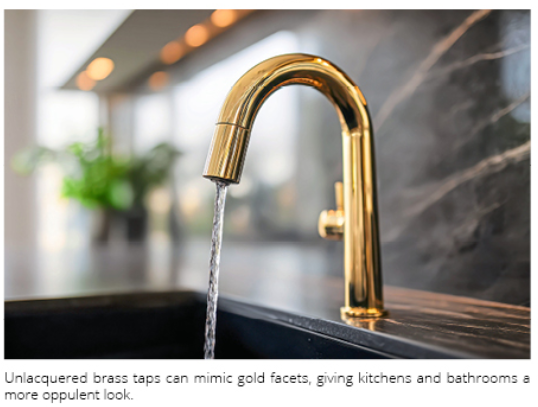
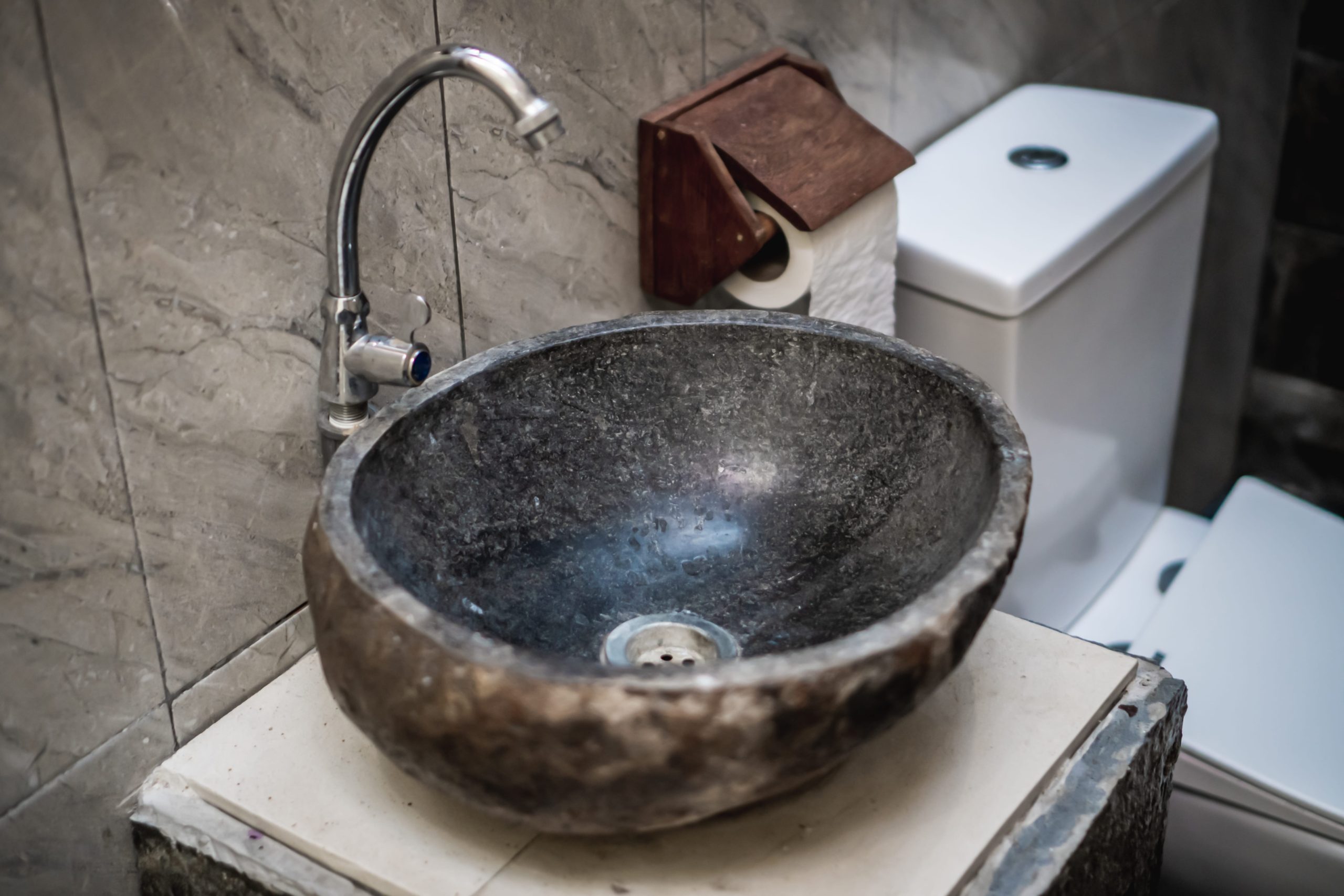
Brands intentionally introduce accessible product categories such as unlacquered brass faucets that combine precision engineering, granite wash basins, faux marble countertops, glazed ceramic flooring or usage of textures, finishes and architectural detailing to elevate image. These items serve as an entry point into the brand’s universe, allowing an aspirational consumer to purchase a piece of the lifestyle and aesthetic at a realistic price point. The high-volume sales of these entry-level goods generate massive cash flow, which in turn subsidises the low-volume, high-prestige production of their top-tier collections.
Material adjustments
Some products maintain the exact design DNA, meticulous tailoring and visual aesthetic of high-end lines but utilise alternative, cost-efficient materials. For example, a contemporary luxury fashion brand might design a signature flooring using premium coating instead of polished marble slabs. The craftsmanship remains exceptional but the material pivot drops the retail cost into an accessible pricing architecture.
To protect their aspirational image, affordable luxury brands strictly avoid heavy, reactionary discounting or public clearance sales, which can quickly ruin a premium reputation. Instead of lowering prices when retail cycles slow, modern brands utilise flexible financing options, such as interest-free Buy-Now-Pay-Later services. This approach keeps the product’s premium retail price intact on the shelf while making the transaction far easier to digest for younger, digitally driven consumers.
Ultimately, affordable luxury functions as a highly sophisticated economic bridge. It allows aspirational consumers to experience an elevated, design-centric lifestyle within their financial boundaries while enabling ambitious companies to scale their revenue streams well beyond the traditional, limited ultra-high-net-worth demographic.
The smart future of intentional design
The emergence of affordable luxury proves that the premium market is no longer a rigid, top-down hierarchy defined solely by wealth exclusion. While true purists will always protect the rarefied spaces of ultra-luxury, the contemporary global citizen demands an environment that honours design, convenience and emotional resonance without requiring financial ruin.
As developers across Malaysia and the broader region continue to master this concept, the built environment will become increasingly smart, integrated and design-forward. Affordable luxury is not a compromise on quality but an intelligent, intentional response to an aspirational society, showing that lifestyle excellence can be built within reach of those who appreciate it most.
Replacing a standard ceramic fixture with a natural stone washbasininstantly injects an organic, sculptural luxury to any bathroom.
Poor man’s vs rich man’s luxury
To truly understand how affordable luxury fits into the broader global economy, one must analyse the contrasting ways different socioeconomic groups view, purchase and experience the concept of luxury itself.
A poor man’s luxury focuses intensely on status symbols and highly visible consumption. Individuals from lower or lower-middle-class backgrounds often utilise entry-level luxury items such as designer items with massive, overt logos or brand-name lifestyle accessories to project an immediate image of financial success and upward mobility.
This behaviour is driven by a desire for social acceptance, using flashy branding to signal respect and mimic wealth. Unfortunately, this approach often causes significant financial strain, requiring individuals to take on consumer debt or make deep personal sacrifices for a temporary appearance, rather than focusing on building real, long-term generational wealth.
In stark contrast, a rich man’s luxury focuses almost entirely on time, privacy and assets. For the truly wealthy, luxury is invisible, often referred to in contemporary style as quiet luxury. They reject loud, logo-heavy branding in favour of bespoke craftsmanship, hyper-premium materials and subtle, tailored items whose value is recognisable only to other members of their elite cohort.
For this demographic, wealth is not a tool for public display but a tool for personal autonomy. They leverage capital to avoid crowded public spaces, bypass lines, outsource tedious daily chores, utilise private transportation and secure total control over their daily schedule. Their luxury is the ability to protect their mental peace and personal schedule, preferring to deploy capital into income-generating, appreciating real estate and financial assets rather than depreciating material goods.
PETALING JAYA: The return of the Bumiputera equity requirement for qualifying property disposals by government-linked companies (GLCs) and government-linked investment...
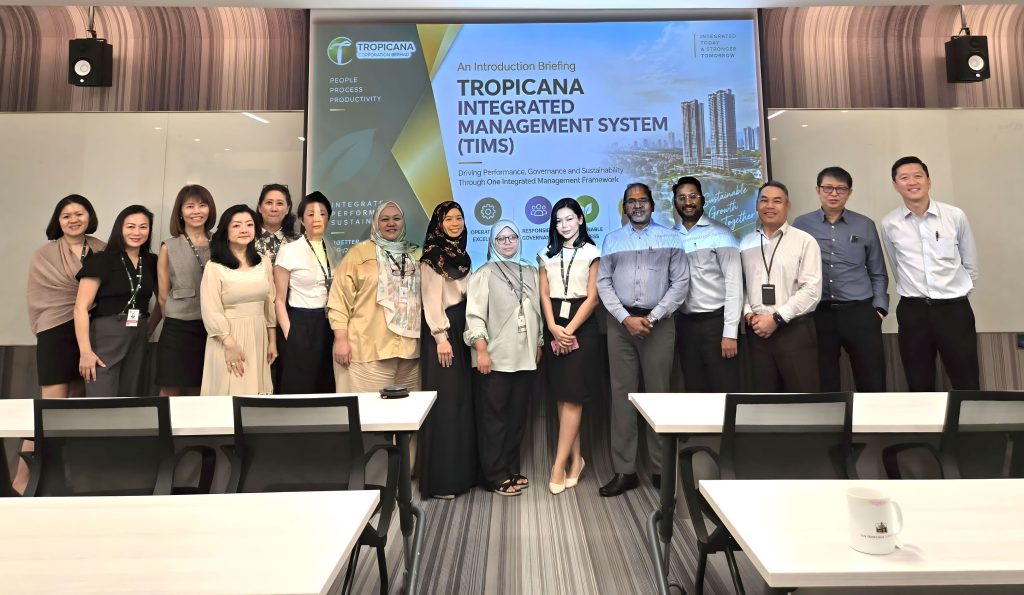
The 18-month initiative will boost company operations through its unified management approach. PETALING JAYA: Tropicana Corporation Bhd has begun implementing...







POST YOUR COMMENTS