As Malaysia marks another Merdeka, conserving heritage is no longer simply about preserving monuments
Every nation has buildings that define its story. Some are celebrated as architectural masterpieces while others quietly bear witness to decades of social, political and cultural change. Yet as cities modernise, the question is whether these places should be preserved and how they can continue serving the people who live around them.
For decades, urban development was often measured by what could be built next. Ageing buildings made way for taller skyscrapers, wider roads and larger commercial developments. Then came heritage conservation, often perceived as sentimental preservation by protecting relics of the past rather than investing in the future. However, that mindset is beginning to change. Today, cities around the world are recognising that heritage is not an obstacle to progress but an asset that can shape more resilient, sustainable and economically vibrant urban environments. Instead of freezing historic buildings in time, governments, planners and conservationists are finding new ways to adapt them to contemporary needs while retaining the character that makes them unique.
In Malaysia, this shift is becoming evident in Downtown Kuala Lumpur and George Town where conservation efforts have evolved far beyond restoring ageing buildings. Through adaptive reuse, public realm improvements, cultural programming and community-led initiatives, heritage is being repositioned as a catalyst for urban renewal.
This transformation is particularly timely as Malaysia celebrates its 69th Merdeka. Independence is not only reflected through national symbols and historic landmarks but also through the stories embedded within streets, marketplaces and civic spaces that continue to shape everyday life. Preserving these places ensures that future generations inherit more than buildings.
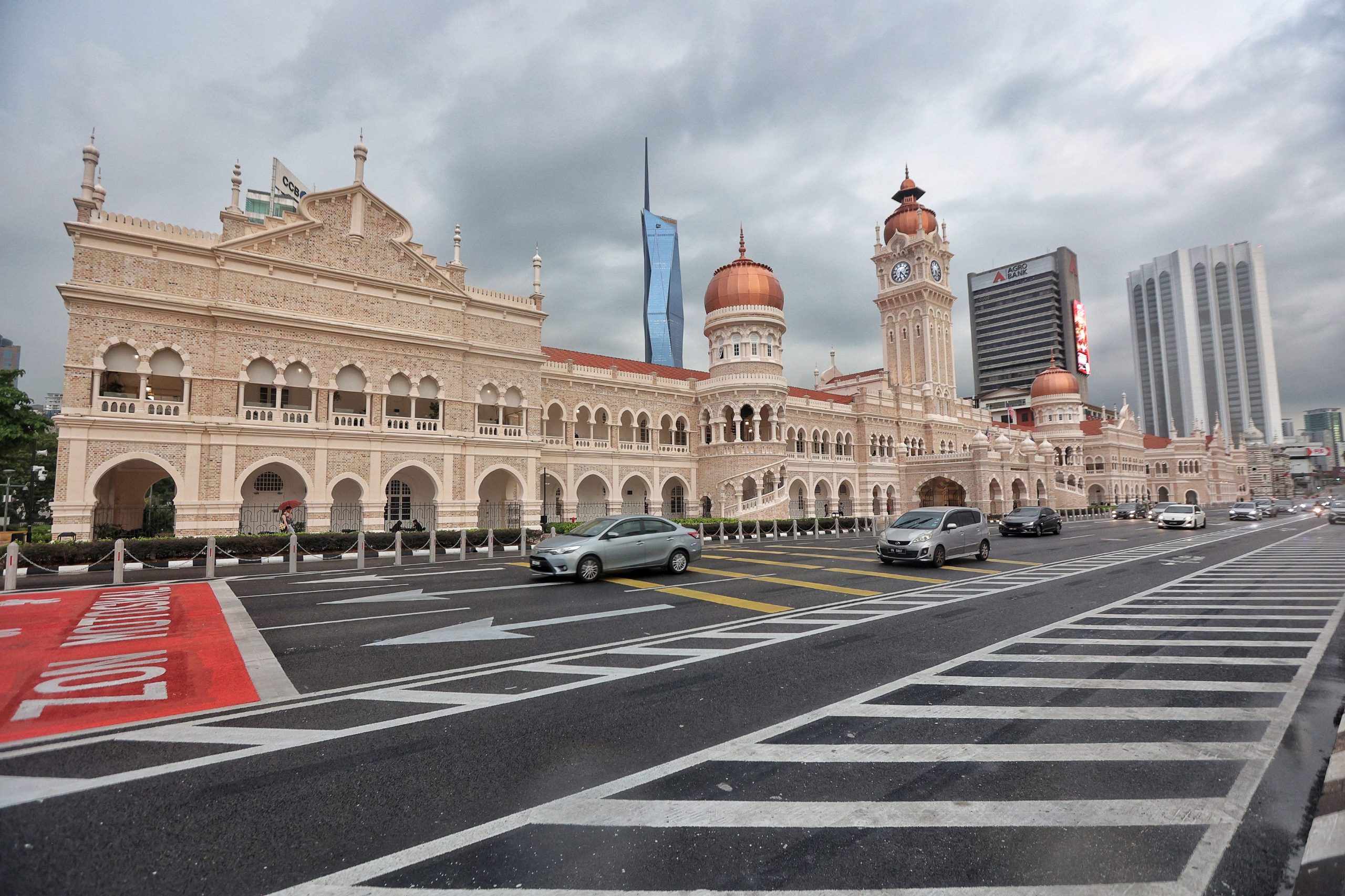
Among the organisations championing this philosophy is Think City whose regeneration programmes demonstrate that heritage conservation is no longer confined to architecture alone. Instead, it is increasingly intertwined with sustainability, economic revitalisation and social wellbeing. From the Warisan KL initiative and the revitalisation of the Bangunan Sultan Abdul Samad Complex to landmark projects such as Fort Cornwallis in Penang, Think City’s work reflects a broader ambition. They are creating cities that honour their past while preparing for the future.
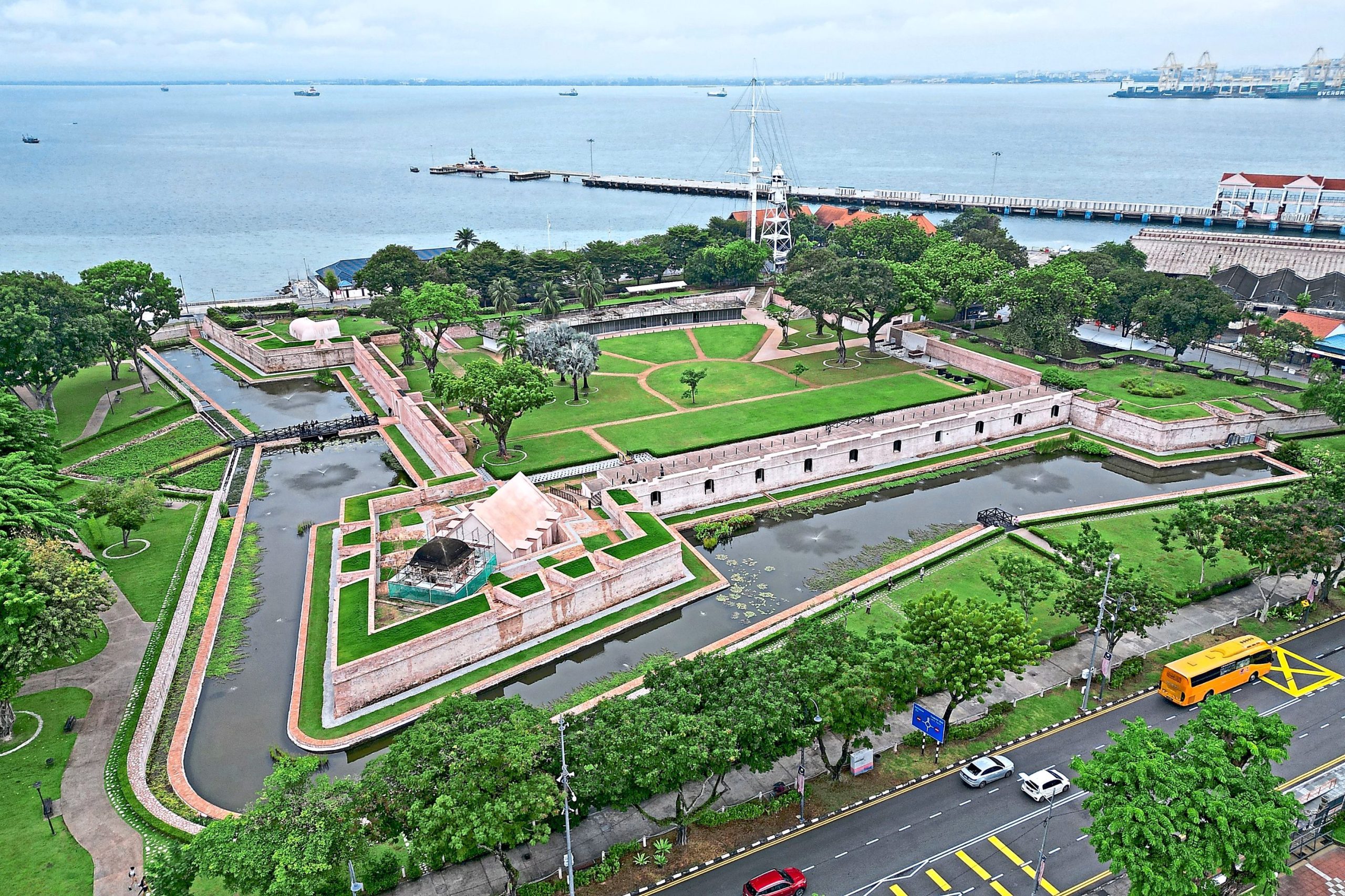
Fort Cornwallis in George Town illustrates this shift in thinking. Long recognised as one of Penang’s most significant historic landmarks, the fort has undergone an extensive restoration that extends beyond repairing ageing masonry. Instead, the project seeks to reinterpret the site through a contemporary Malaysian lens, allowing visitors to engage with history while acknowledging the many layers that have shaped the nation. Speaking to StarProperty, Think City emphasises that the restoration is not about celebrating colonial rule but about understanding Malaysia’s journey through it.
“Fort Cornwallis, together with the wider civic assets surrounding Padang Kota Lama, represents one of Penang’s most concentrated repositories of layered history and its conservation, undertaken over almost a decade, is an act of reclaiming rather than preserving for its own sake,” it added.
This is not about glorifying colonial history but about understanding and learning from it, and in doing so, the fort reflects the evolution of Penang and Malaysia’s multicultural identity across the centuries it has stood witness to,” said Think City.
Think City noted that Prime Minister Datuk Seri Anwar Ibrahim had similarly observed during the reopening of Fort Cornwallis that the country’s history should be shaped by Malaysians themselves rather than inherited solely through colonial narratives. Instead of erasing difficult chapters, the restoration embraces them as part of the nation’s journey towards independence and identity. Rather than concealing centuries of alteration, the project preserves visible evidence of the fort’s changing history.
For Think City, authenticity lies not in creating a pristine monument but in allowing history to remain visible. “The intention is for each restored element such as the fort, the moat, the promenade and the civic buildings around it, to function as part of a single spatial narrative. This reconnects George Town’s layered past to a more resilient and inclusive future for the communities who call it home.
“In this context, the restoration encourages a greater appreciation of our shared heritage, identity and nation-building and demonstrates that heritage conservation is about people, identity and the future, not just old buildings,” the organisation said.
Conservation is no longer simply about maintaining historic facades or protecting architectural styles. Increasingly, it is about preserving the stories, memories and cultural identities that give cities their sense of place. As Malaysian cities continue to evolve, these places become anchors that remind communities where they came from, even as they imagine where they are going next.
When heritage becomes climate infrastructure
Fort Cornwallis and its newly reinstated moat in George Town.
For decades, heritage conservation and sustainability were often viewed as separate conversations. One focused on protecting the past; the other looked towards the future. Conservationists sought to preserve authenticity while urban planners grappled with climate adaptation, flood mitigation and rising temperatures.
Today, however, the realities of climate change are forcing cities to rethink what heritage can do. Historic sites are increasingly being recognised not only for their cultural significance but also for the environmental functions they once performed. Long before modern engineering solutions became commonplace, many historical landscapes were designed to work with nature by managing water, improving ventilation and responding to local climatic conditions.
Fort Cornwallis provides one of Malaysia’s most compelling examples. While visitors may admire its restored walls and cannons, one of the project’s most transformative achievements is the reinstated moat.
To many, the moat appears to be a faithful reconstruction of a colonial-era defensive feature. Yet beneath its historical appearance lies an infrastructure project that addresses some of today’s most pressing urban challenges. Think City explained that restoring the moat was never intended to be merely an architectural exercise. “The intention, as set out in the George Town Strategic Master Plan, was always to restore both the fort’s historic integrity and its environmental function in tandem. When the moat was filled in around 1921 to curb a malaria outbreak, the Padang began experiencing periodic flooding for almost a century afterwards, evidence that the moat had long performed a hydrological role alongside its defensive one. Reinstating it corrected that century-old oversight as much as it restored a monument, demonstrating that heritage conservation can also deliver climate resilience,” said Think City. The reconstructed south and west moats now hold more than 4,000 sq m of waterbody, supported by a bio-filtration system that improves stormwater management, moderates the surrounding microclimate and contributes to urban biodiversity. What was once viewed solely as military architecture has become functioning green-blue infrastructure within one of Malaysia’s busiest heritage cities.
Think City noted that the restored ecosystem has already begun attracting dragonflies, birds and wetland species rarely found in dense urban environments, illustrating how conservation can strengthen ecological resilience while enhancing the public realm. Perhaps more remarkable is how sustainability has been embedded into the restoration process itself. Rather than relying on contemporary construction methods, the project embraced traditional materials and craftsmanship wherever possible.
Think City pointed out that the base of the moat was sealed using successive layers of lime mortar combined with recycled cooking oil sourced from a nearby food court to minimise water loss. This centuries-old conservation technique eliminated the need for reinforced concrete. Stone, brick and lime mortar were used throughout the structure to remain faithful to nineteenth-century construction methods while ensuring long-term durability.
Even the adjoining seawall reflects this integrated philosophy. Offset five metres towards the sea and engineered to accommodate projected sea-level rise, it simultaneously widens the waterfront promenade, creating a more comfortable public space for pedestrians and the recreational fishers who have frequented the shoreline for generations.
The international community has taken notice. The North Seafront transformation received the Award for New Design in Heritage Contexts and a Special Recognition for Sustainable Development at the 2025 Unesco Asia-Pacific Awards for Cultural Heritage Conservation. It has also been recognised by the Malaysian Landscape Architecture Awards, the Malaysian Construction Industry Excellence Awards and the Malaysian Institute of Planners.
As Malaysian cities confront increasingly frequent flash floods, rising temperatures and pressure to reduce carbon emissions, Fort Cornwallis offers a powerful reminder that innovation does not always require starting from scratch.
The greenest building is already standing
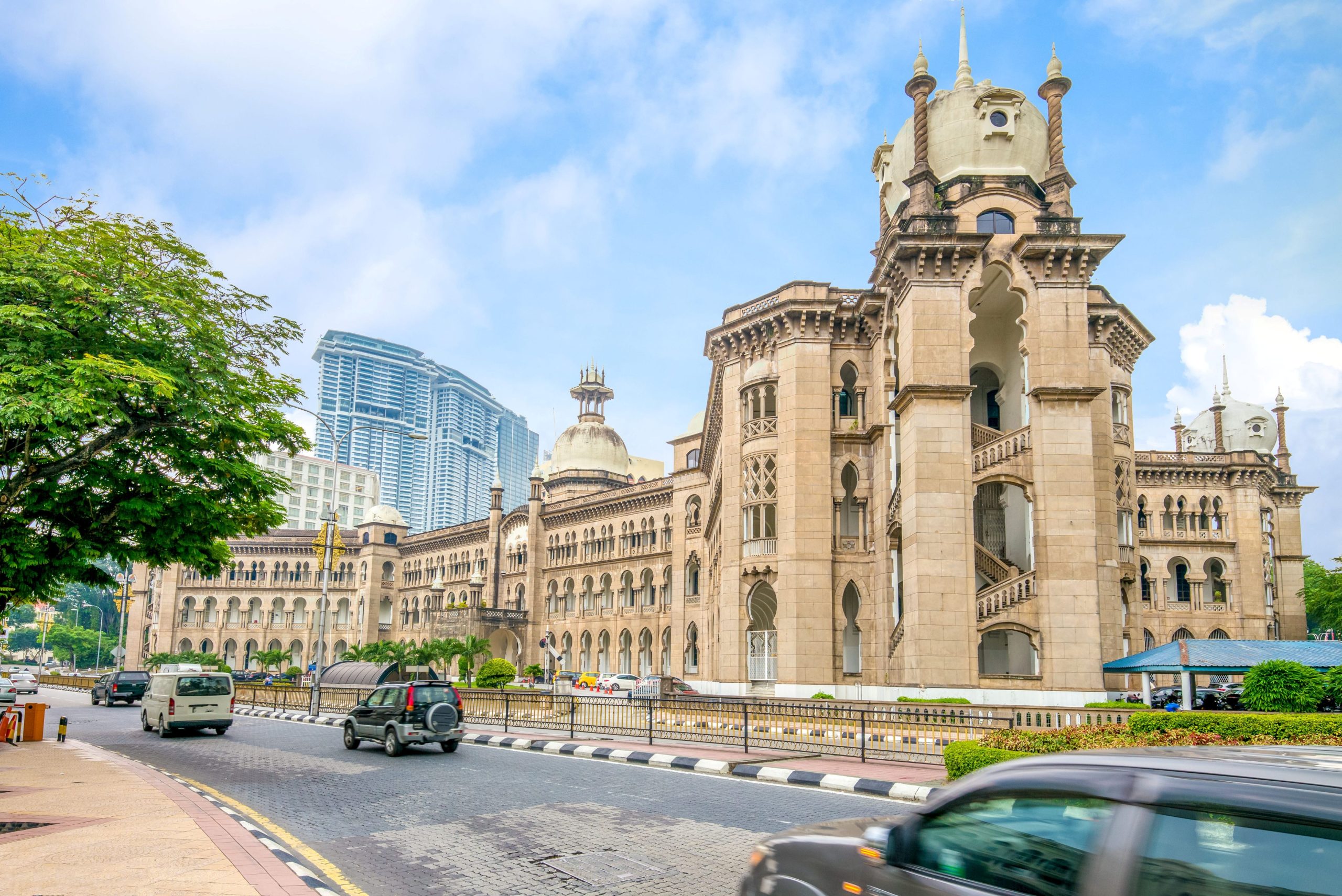
Kuala Lumpur Railway Station is an example of a building adapting to contemporary use while safeguarding the architectural character that has shaped Kuala Lumpur’s identity for more than a century.
If Fort Cornwallis demonstrates how heritage landscapes can contribute to climate resilience, Kuala Lumpur’s historic buildings present another equally important lesson. Sustainability often begins with preserving what already exists. Across the world, the property industry is under growing pressure to reduce carbon emissions. Much of the conversation focuses on energy-efficient buildings, renewable technologies and greener construction materials.
In many cases, replacing an ageing building with a newer, greener one may still carry a substantial environmental footprint before the first occupant even moves in. This is where adaptive reuse is changing the conversation. Rather than treating older buildings as obsolete, adaptive reuse extends their lifespan, allowing them to accommodate new functions while retaining their architectural and cultural significance.
Think City believes this approach represents one of the most practical pathways towards more sustainable cities. “As our cities continue to grow and development pressure intensifies, adaptive reuse has emerged as one of the clearest available levers for genuine sustainability, avoiding the embodied carbon, construction waste and demand for new materials associated with demolition and rebuilding. Extending the life of an existing building is very often the more sustainable choice over replacing it entirely,” the organisation said.
That philosophy is becoming increasingly visible through landmark heritage projects under the Warisan KL initiative, including the revitalisation of the Bangunan Sultan Abdul Samad Complex, the Pejabat Pos Besar Lama and the Kuala Lumpur Railway Station. In doing so, heritage conservation becomes more than an exercise in nostalgia but a practical urban strategy. One that simultaneously reduces environmental impact, preserves cultural identity and creates distinctive places that cannot simply be replicated through new construction.
Breathing life back into the city
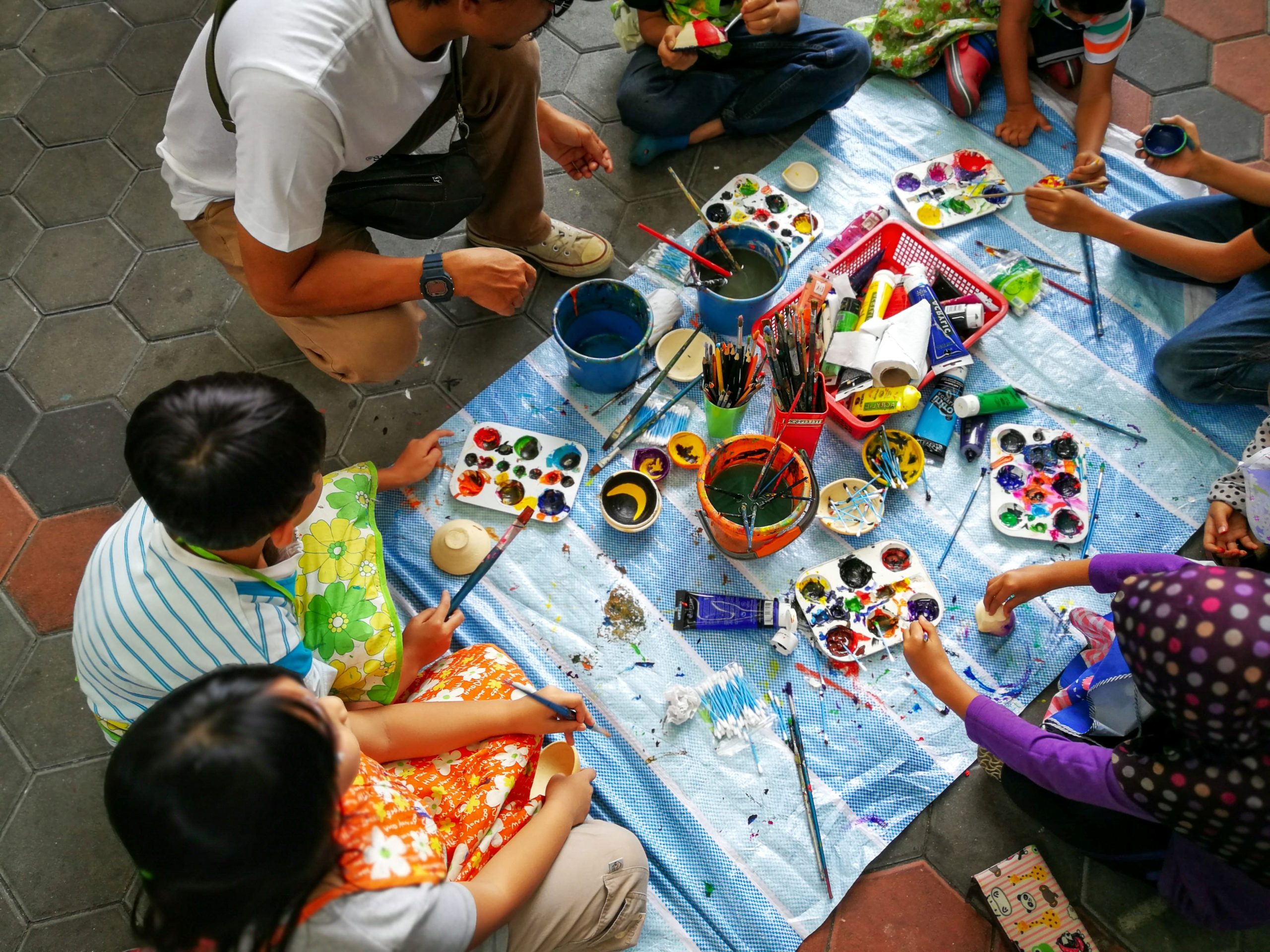
People are drawn to neighbourhoods with a distinct identity where these places offer authenticity, cultural experiences and opportunities for meaningful social interaction.
A heritage building, no matter how beautifully restored, serves little purpose if it stands empty. Conservation succeeds not when a building is frozen in time but when it continues to evolve with the people around it. This philosophy lies at the heart of Think City’s regeneration work. As Think City puts it, the richness of heritage that Downtown KL and George Town in Penang express remains alive only when people continue to use these spaces, gather within them and tell their own stories through them, rather than treating them as artefacts preserved behind glass.
“Grant-supported interventions have already returned once-fading corners of the city, among them Kwai Chai Hong, Halaman Kampung Attap and Jalan Sang Guna, into places people actively visit, work in and stay,” said Think City.
That shift is perhaps one of the defining characteristics of modern urban regeneration. It considers how entire neighbourhoods can be revitalised through a combination of restored architecture, activated public spaces and local entrepreneurship. The measure of success is no longer how many buildings have been conserved but whether people choose to spend time there. This is where programmes such as the Warisan KL initiative and Kreatif KL Grants have become catalysts for change. Rather than concentrating investment on large-scale developments alone, these initiatives support smaller interventions that encourage creativity, strengthen local businesses and reconnect communities with their historic surroundings.
Murals, public art, cultural festivals, adaptive reuse projects and community-led activities all contribute to creating neighbourhoods that feel lived in rather than merely preserved. For property professionals and urban planners alike, this signals an important evolution in how city centres are valued. The attractiveness of a place is no longer determined solely by its commercial offerings or transport connectivity.
Stories that keep a city alive
Buildings may survive for centuries but memories can disappear within a generation. As businesses close, crafts decline and long-time residents move away, the intangible heritage of a city that defines its character can quietly fade from memory. Think City believes safeguarding these stories is just as important as restoring bricks and mortar. As Think City explained: “This approach reflects what Think City calls the power of small, the principle of thinking big while acting small and allowing momentum to build outward and upscale for wider transformation. To date, an upward of RM65 million has been administered in grants through partnerships with the Ministry of Finance, Yayasan Hasanah, Merdeka 118 among others, restoring purpose, activity and confidence in the historic core one modest, well-placed project at a time. It is ultimately this combination, physical restoration paired with sustained storytelling, that keeps Downtown Kuala Lumpur’s spaces genuinely relatable to the communities who live and work in them.”
A city that remembers, moves forward
Kuala Lumpur has never lacked ambition. Over the past few decades, the capital has transformed into a modern metropolis defined by soaring skyscrapers, world-class infrastructure and an ever-evolving skyline. Yet beneath that modern image lies a historic core that tells a much older story. One of migration, commerce, culture and nation-building. Like many cities around the world, Kuala Lumpur has grappled with a familiar challenge: how to embrace growth without losing the identity that makes it distinctive. For Think City, the answer lies in culture-led urban regeneration. Rather than competing with other global cities through increasingly taller buildings or larger infrastructure projects alone, Kuala Lumpur’s greatest competitive advantage lies in its own heritage. Its historic architecture, multicultural communities and stories that cannot be replicated elsewhere.
As Think City explained: “KL has long served as Malaysia’s political, economic and cultural centre, yet its historic core saw genuine decline over the decades as investment and everyday life migrated elsewhere. Evolving from this position requires leveraging what is distinctly native, like its heritage buildings, layered communities and stories, rather than competing on the same towers and transport infrastructure pursued by every regional capital. Cities increasingly compete on identity rather than infrastructure alone and heritage functions as productive capital in that competition, generating tourism, small enterprise and creative industry rather than simply representing a cost to maintain.”
Think City believes initiatives like Warisan KL and Think City’s George Town Transformation Programme demonstrate this thinking in practice. It shows that creativity, culture and community-led regeneration are not peripheral considerations but a new driver for economic growth, civic pride and renewed identity for the capital.
“It’s transforming its historic core into a living creative economy that weaves conservation, cultural programming, placemaking and community-led innovation into a single, whole-of-society effort,” said Think City.
Looking ahead, Think City hopes that the transformation taking place today will become even more tangible over the next decade. “Since this wider revitalisation effort began nearly a decade ago, the momentum has grown steadily more visible with each passing year, restored landmarks reopening to the public, KL Festival drawing crowds back into the historic core each year and once-quiet corners of the city like Kwai Chai Hong and Halaman Kampung Attap coming alive with everyday activity.
“Ten years from now, we hope Downtown KL feels more liveable, more celebrated, more connected and genuinely vibrant, a city that residents and visitors alike can enjoy in equal measure. That remains the destination Kuala Lumpur continues working towards, a city that is both liveable and loveable and one that reflects the best of what it means to be Malaysian,” the organisation said.
PETALING JAYA: The return of the Bumiputera equity requirement for qualifying property disposals by government-linked companies (GLCs) and government-linked investment...
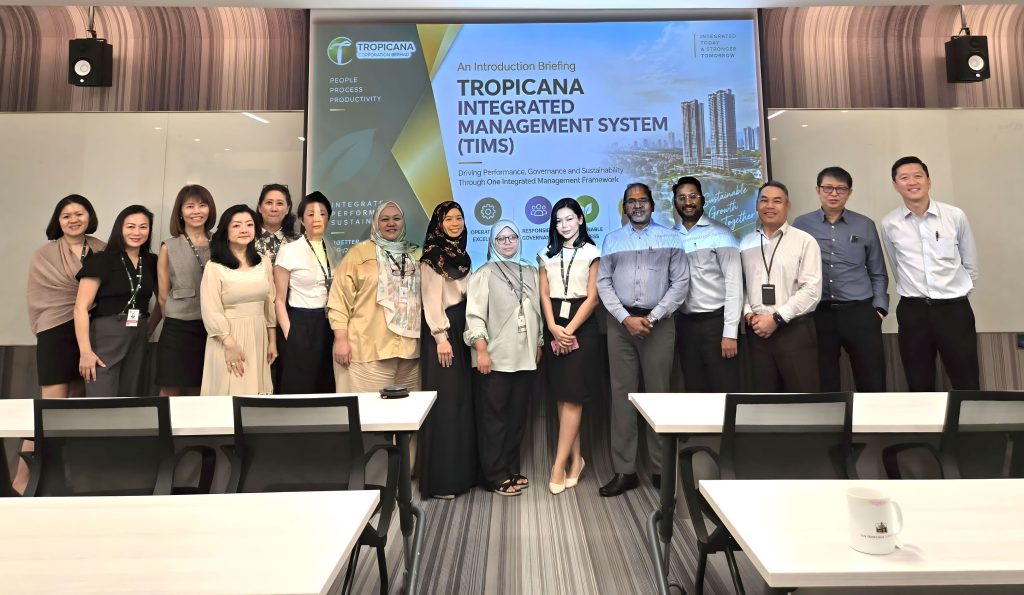
The 18-month initiative will boost company operations through its unified management approach. PETALING JAYA: Tropicana Corporation Bhd has begun implementing...






POST YOUR COMMENTS