PETALING JAYA: Webest Group is ramping up its expansion with more than RM500 million in ongoing gross development value (GDV) and 1,000-plus units in the pipeline, as the 33-year-old Malacca-based property developer targets growth in Putrajaya and Johor while diversifying into hospitality.
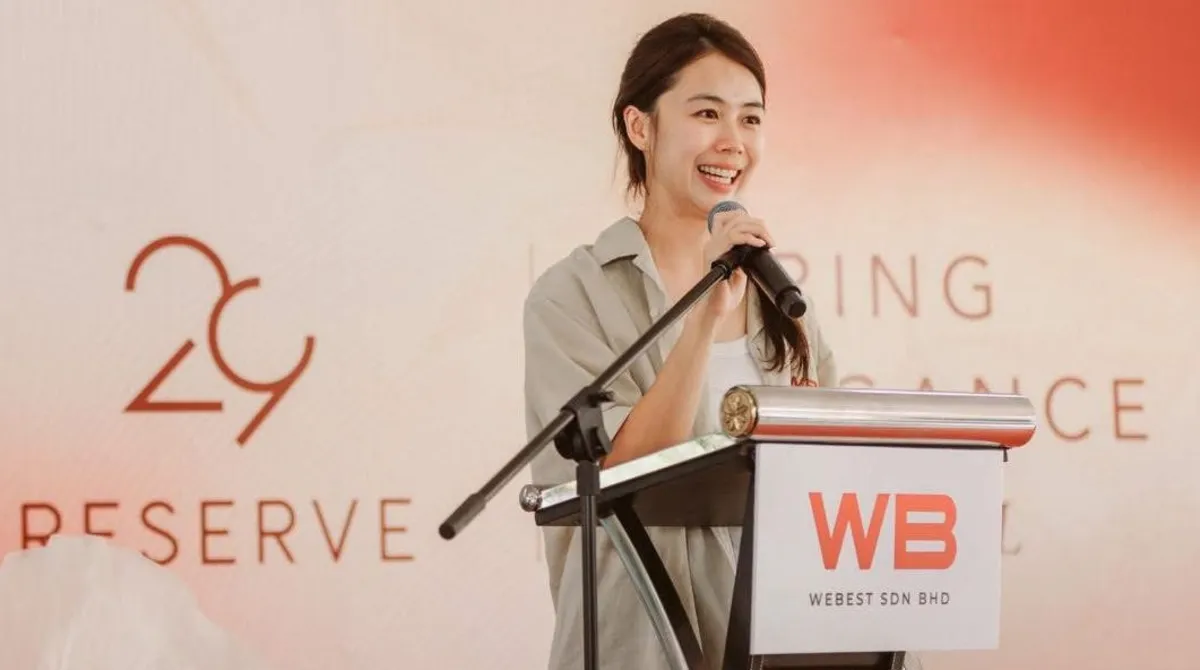
Managing director Lydia Lim said Webest has completed more than 75 projects, delivered more than 2,500 units and recorded about RM530 million in completed GDV to date, with its earlier portfolio including The Quartz, Duyung Business Park and The Explorer Hotel.
She said the group’s track record of completing its projects gives it confidence to take on its current pipeline.
“Every project Webest started since 1993 has been completed. Every unit handed over. That discipline of only committing to what we can deliver is the basis of my confidence when I look at our current pipeline,” Lim told SunBiz in an exclusive interview.
“We don’t launch what we cannot build. That’s the filter everything goes through first, before any GDV conversation.”
While Malacca remains Webest’s home base, the group is expanding into Putrajaya and Johor, where Lim sees longer-term structural demand.
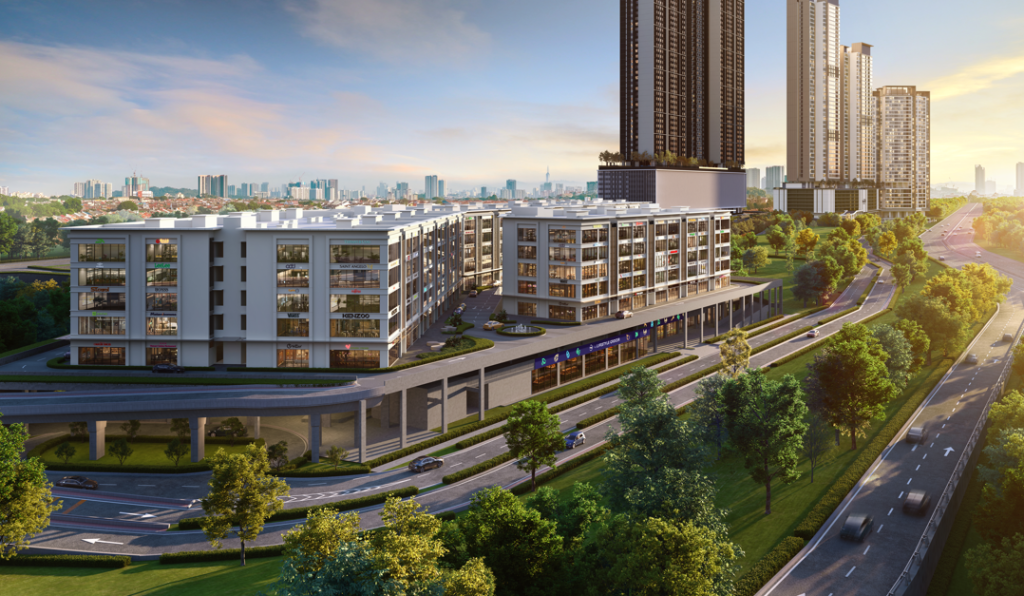
Its projects include Amai Residence near Putrajaya, a 1,168-unit development planned across two phases, and Southbay Exchange in Johor Bahru, a waterfront commercial development connected to a 16.43-acre site in Plentong.
Southbay Exchange is planned to comprise commercial spaces, serviced apartments and a hotel.
“Malacca is still our home base, we have active projects here and that won’t change. But a responsible developer reads where real demand is growing, and both markets represent structural demand, not just momentum,“ said Lim.
She noted that Johor has undergone a significant shift, with the Johor-Singapore Special Economic Zone (JS-SEZ), Rapid Transit System Link (RTS Link) and foreign investment in manufacturing and data centres creating a different buyer base from five years ago.
“These are people relocating and putting down real roots and they need quality housing. That’s the gap our Southbay JB project is positioned into,” Lim said.
She added that the major infrastructure and investment catalysts in Johor are reinforcing momentum that was already building before the JS-SEZ and RTS Link announcements. “These catalysts are real but the momentum was already building before the policy announcements caught up.”
The JS-SEZ and RTS Link, Lim said, provided buyers and investors with a clearer framework to support decisions that they were already considering.
“What the JS-SEZ and the RTS Link have done is give buyers and investors a concrete framework to underpin decisions they were already inclined to make. When cross-border movement becomes more predictable, well-located Johor properties reflect that structurally, not speculatively,“ Lim said.
She added that the data centre and manufacturing investment wave is creating employment and a professional resident base, driving demand for quality housing beyond what the traditional Johor market catered to.
However, Lim said property buyers should continue to focus on fundamentals rather than relying solely on major economic catalysts. “Catalysts can shift. A well-built home in a good location holds its value regardless.”
Webest is also expanding into hospitality through the conversion of its existing Explorer Hotel in Bandar Hilir into Moxy Melaka, following an agreement with Marriott International signed in May.
Lim said the 152-key hotel is targeted to begin preopening activities ahead of its planned opening in January 2027.
She disclosed that their hospitality business is not simply a diversification exercise, but is part of their broader strategy to contribute to Malacca’s tourism ecosystem while creating recurring revenue.
Lim sees potential synergies between the group’s property and hospitality businesses.
“When buyers look at a Webest residential project, knowing that we operate a Marriott-branded hotel, it tells them something real about our standards. That’s brand-building through substance – not advertising,” she said.
Lim said Webest’s construction roots remain central to the group’s competitive advantage despite its expansion in the property development segment and entry into the hospitality business.
The group’s builder-led model provides greater control over construction quality, costs and delivery, she explained.
Looking ahead, Lim said her ambition is to establish Webest as a trusted boutique developer rather than simply pursue scale.
She envisages a portfolio spanning residential, commercial and hospitality assets across multiple states, supported by a transition from a founder-built enterprise into a professionally governed institution.
The group will retain its family values while developing the systems and team needed to operate at a larger scale, Lim said.
Webest is open to pursuing an initial public offering in future, subject to the group reaching the appropriate stage of readiness.
Lim said, “Access to capital accelerates growth and creates options. But we won’t pursue it before the business is genuinely ready. Governance, transparency and a consistent delivery record have to come first.”
For now, Lim said, the group is focused on executing its immediate pipeline, including the opening of Moxy Melaka, completion of 29 Reserve and progress in its Johor developments.
She added that the expansion marks the next phase for the family-owned group, which has traditionally focused on Malacca, following efforts to strengthen its internal systems and governance.
Lim said her priority after stepping into the leadership role was not immediate expansion but restructuring the business to ensure it was ready to scale.






POST YOUR COMMENTS