Transformative change has been occurring within the real estate and construction sectors in Malaysia, driven by advanced robotics, automated material sciences and digital architecture. For decades, property development relied on traditional building methods which are labour-intensive processes vulnerable to human error, material wastage and long timelines. However, the commercialisation of 3D Construction Printing (3DCP) is challenging this traditional model, shifting the industry from slow, manual processes to high-tech, digital automation.
Setting a bold new benchmark for the nation, companies like V3D Asia and its commercial development arm Nuvah Sdn Bhd have been pushing hard for 3DCP. They recently announced a strategic collaboration with Sirim Academy Sdn Bhd to develop Malaysia’s first-ever industry standards for 3D Construction Printing. Operating under the Designed in Japan, Built in Malaysia philosophy through its Southeast Asian headquarters in Kuala Lumpur, V3D Asia and Nuvah are building a robust, home-grown construction ecosystem.
This landmark initiative addresses long-standing real estate challenges such as labour dependency, rising material costs and lengthy project timelines while unlocking a new era of architectural design flexibility and long-term asset value.
Building regulatory and buyer confidence
In the real estate sector, innovation can only scale as fast as regulatory approval permits. Historically, the absence of standardised building codes for 3D-printed structures meant that developers lacked clear pathways for municipal approvals, financial institutions hesitated to underwrite automated builds and purchasers worried about structural integrity. The collaboration of Sirim Academy, V3D Asia and Nuvah is hoping to address this regulatory bottleneck, establishing a credible and practical framework for conformity assessment and certification within the construction sector.
“Establishing clear industry standards is essential in accelerating the adoption of 3D printed construction technologies safely, responsibly and at scale,” stated V3D Group chairman Kazuhiro Ono. “When clear and credible standards exist, the entire construction ecosystem benefits—developers can build with greater confidence, regulators have a clear basis for approval and buyers can trust what they are purchasing.”
By combining Sirim Academy’s expertise in training, certification and standard development with the material science and engineering insights of V3D Asia and Nuvah, this framework provides a clear roadmap for widespread adoption. Sirim Academy chief executive officer Mohd Bakri Jali noted that this initiative will strengthen industry confidence and encourage innovation, paving the way for 3DCP to transition from a novelty into a mainstream construction method across Malaysia.
Overcoming the productivity bottleneck
The global 3D construction printer market size was valued at US$2.92bil (RM12.24 bil) in 2025. The market is projected to grow from US$5.35bil in 2026 to US$666.69bil by 2034, exhibiting a compounded annual growth rate (CAGR) of 82.81% during the forecast period.
The introduction of a standardised 3DCP framework arrives at a critical turning point for Malaysian property developers. The conventional real estate market faces pressing structural challenges, including volatile raw material pricing, strict compliance quotas and a heavy reliance on foreign labour. 3D construction printing addresses these systemic issues by fundamentally modernising the job site.
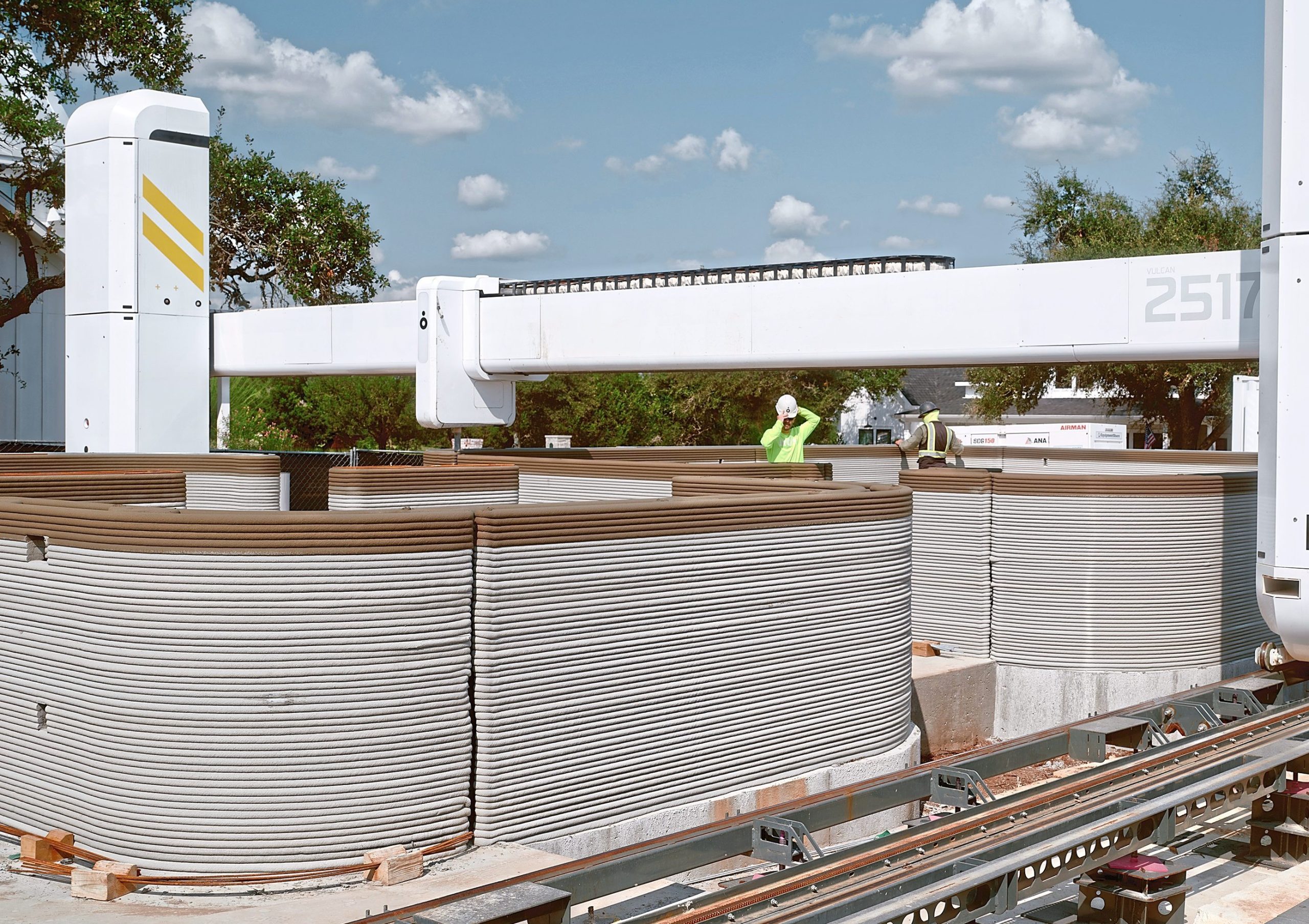
By utilising high-precision robotic arms or gantry systems to extrude specialised concrete mixtures layer-by-layer, 3DCP eliminates the need for traditional timber formwork and minimises structural waste. This automated precision drastically lowers overall material costs.
Furthermore, because these robotic printers can operate continuously with minimal oversight, developers can compress structural build timelines by up to 50%. Shorter construction timelines mean lower holding costs for developers, faster project completions and a significant reduction in the financial risks associated with delayed deliveries.
Rise of 3D-printed luxury
While automated building methods are frequently associated with affordable mass housing, the unique design flexibility of 3D construction printing is making a significant impact on the ultra-luxury real estate sector. Because 3D printers follow digital blueprints with absolute precision, they can easily create complex curved walls, fluid load-bearing columns and organic structural shapes that would be prohibitively expensive or structurally impossible to build using conventional timber formwork.
Demonstrating this premium capability, Nuvah is preparing to launch Malaysia’s first 3D-printed luxury bungalow development in the fourth quarter of this year. Located within the prestigious hillside enclave of Country Heights Damansara, the ultra-luxury project is currently accepting Expressions of Interest (EOI).
This flagship development introduces a quiet luxury architectural concept. Rather than fighting the steep, challenging terrain of Country Heights Damansara with disruptive retaining walls, the project leverages 3DCP technology to create cascading, fluid monoliths that wrap seamlessly around the hillside.
This project demonstrates that 3D concrete printing is an excellent tool for high-end sustainable design, allowing architects to create customised, sculpture-like residences without the premium labour costs traditionally required for complex geometry.
Building a self-sustaining chain
The partnership also sets the stage for others in the sector to emulate and further develop the 3DCP industry, pushing new boundaries. Unlike conventional technology providers that import machinery and leave developers to solve integration challenges independently, more 3DCP companies can function as a unified ecosystem. For example, V3D Asia serves as the construction technology and local manufacturing arm while Nuvah acts as the forward-facing real estate developer.
Such an integrated approach establishes a fully localised supply chain. By manufacturing printing systems locally and conducting advanced material science research within Malaysia, it reduces exposure to global supply chain shocks, currency fluctuations and costly import tariffs. For the broader Malaysian property market, this localised expertise ensures that 3DCP technology remains accessible, scalable and tailored to the unique climate and performance demands of Southeast Asian tropical urban development.
Setting the standard for future cities
The collaboration of more companies championing this undertaking represents a defining milestone for the built environment, especially in nations seeking sustainable and affordable construction methodology. By establishing clear industry standards, this partnership elevates 3D construction printing from an experimental tech showcase into a certified, highly efficient building method ready for institutional real estate deployment.
As the industry prepares for Nuvah’s flagship luxury bungalow launch in Country Heights Damansara later this year, the commercial viability of 3DCP is undeniable. By seamlessly combining commercial practicality with environmental sustainability, automated speed and unprecedented geometric freedom, 3D construction printing is no longer just a futuristic concept but actively reshaping the skyline of tomorrow’s Malaysia.
PETALING JAYA: The return of the Bumiputera equity requirement for qualifying property disposals by government-linked companies (GLCs) and government-linked investment...
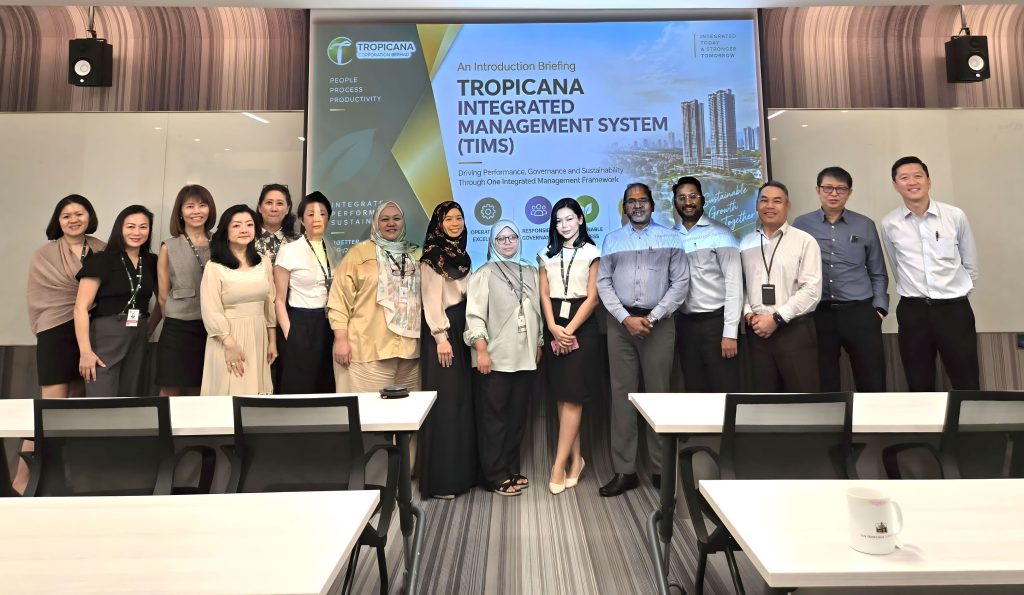
The 18-month initiative will boost company operations through its unified management approach. PETALING JAYA: Tropicana Corporation Bhd has begun implementing...








POST YOUR COMMENTS