How ESG Is redefining branded residences in Malaysia
By Joseph Wong
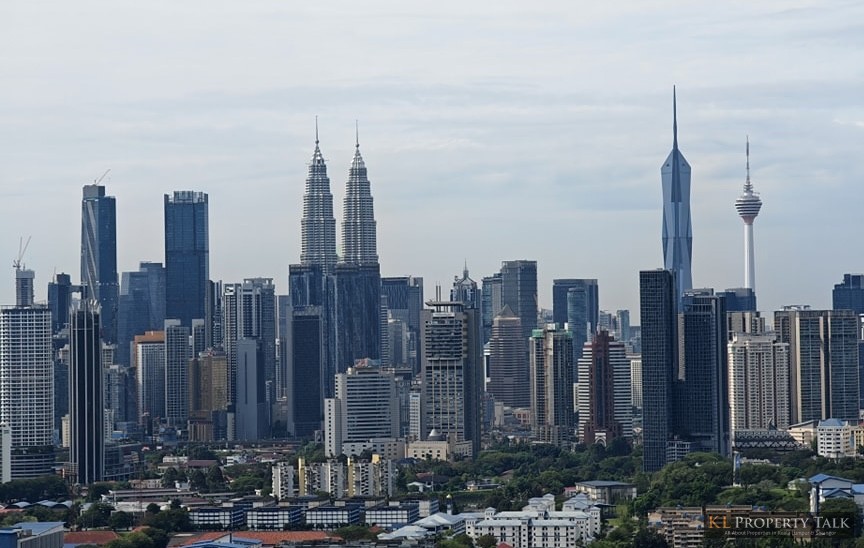
For decades, the global currency of branded residences was minted on prestige, exclusivity and opulent design. Affluent buyers were drawn to hotel-serviced penthouses and fashion-branded towers across London, New York and Tokyo by the allure of five-star hospitality, bespoke concierge services and high-spec marble lobbies. In Malaysia, where the high-density Golden Triangle of Kuala Lumpur, the prime waterfronts of Penang and the burgeoning southern corridor of Johor have welcomed an influx of global hospitality flags, that initial honeymoon phase is giving way to deeper scrutiny.
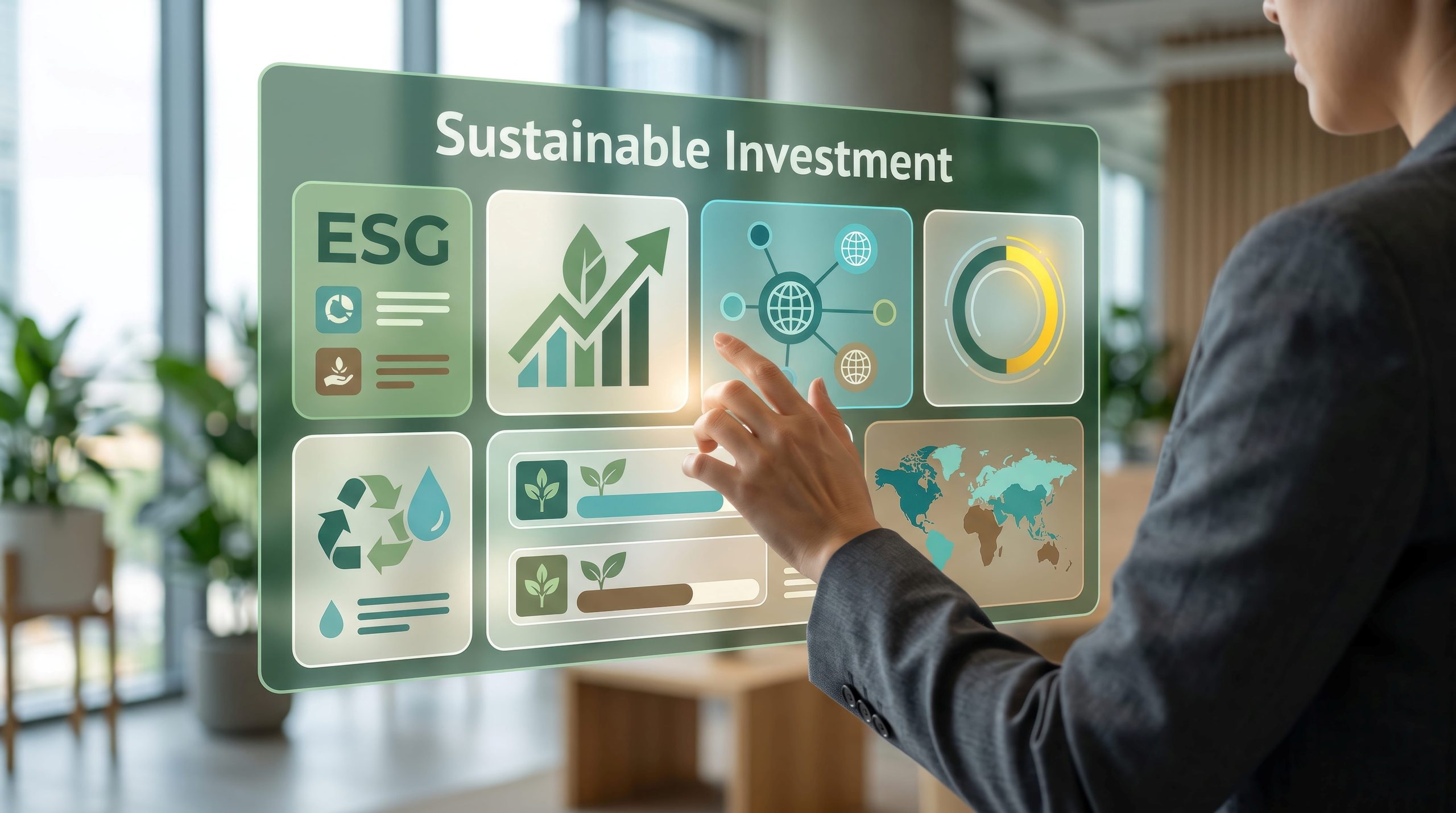
Today’s high-net-worth individuals (HNWIs), cross-border institutional capital and family offices are asking questions that extend far beyond initial architectural renderings. As the market matures, a fundamental transformation is reshaping the asset class, transitioning from superficial luxury to structural sustainability. Moreover, in an era marked by regulatory tightening, climate risks and volatile lifecycle costs, Environmental, Social and Governance (ESG) principles are no longer optional marketing enhancements. They have become the definitive benchmark determining whether a branded residence delivers enduring capital preservation or degenerates into an expensive, depreciating trophy asset.
The broader shift toward sustainable development in Malaysia is being propelled from the top down. Regulators are no longer satisfied with aesthetic compliance or rapid sales rates and are mandating long-term operational viability and human-centric urban design.
National Housing Department (JPN) Director-General Dr Tan Awang Besar underlined this systemic evolution: “Future housing development must embed the spirit and aspirations of the NHP (National Housing Policy) 2026–2035. In short, humanising housing is very crucial.”
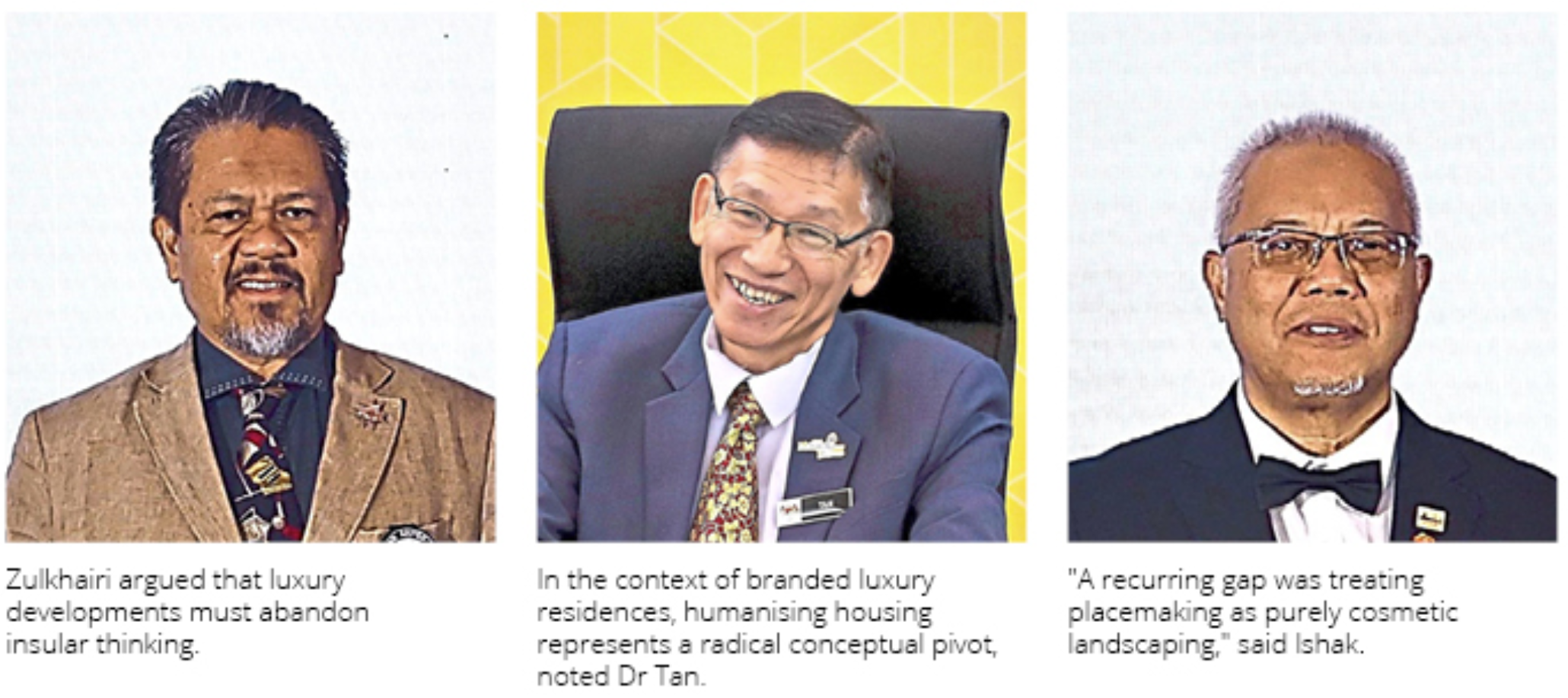
In the context of branded luxury residences, humanising housing represents a radical conceptual pivot. Traditionally, branded developments have run the risk of functioning as sterile, isolated luxury silos with gated towers designed for absentee foreign investors rather than thriving communities. Aligning with the NHP 2026–2035 means these developments must be technically sound, fully integrated into the local urban fabric and backed by developers whose financial and operational track records withstand multi-year scrutiny.
Environmental integrity needed
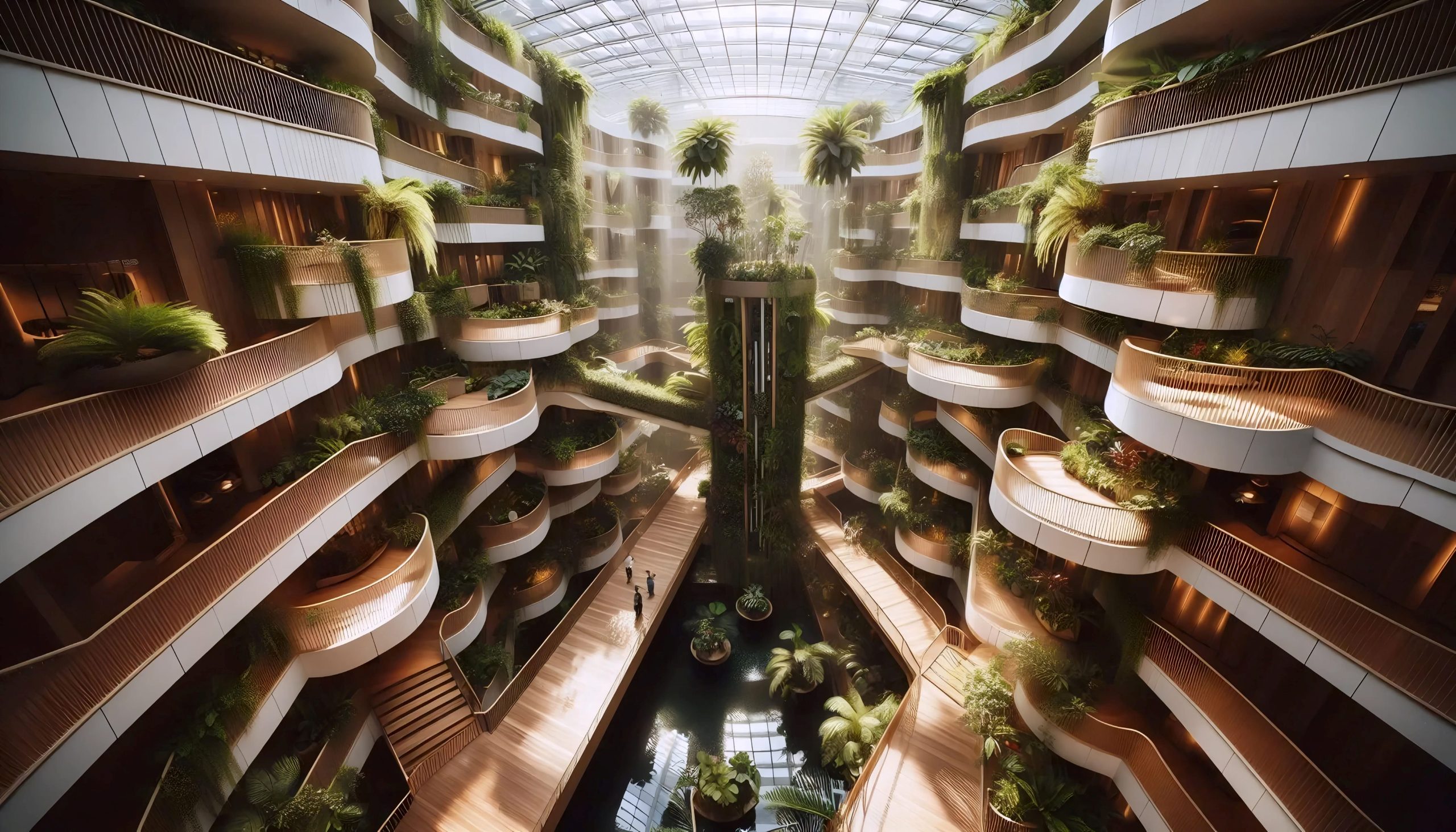
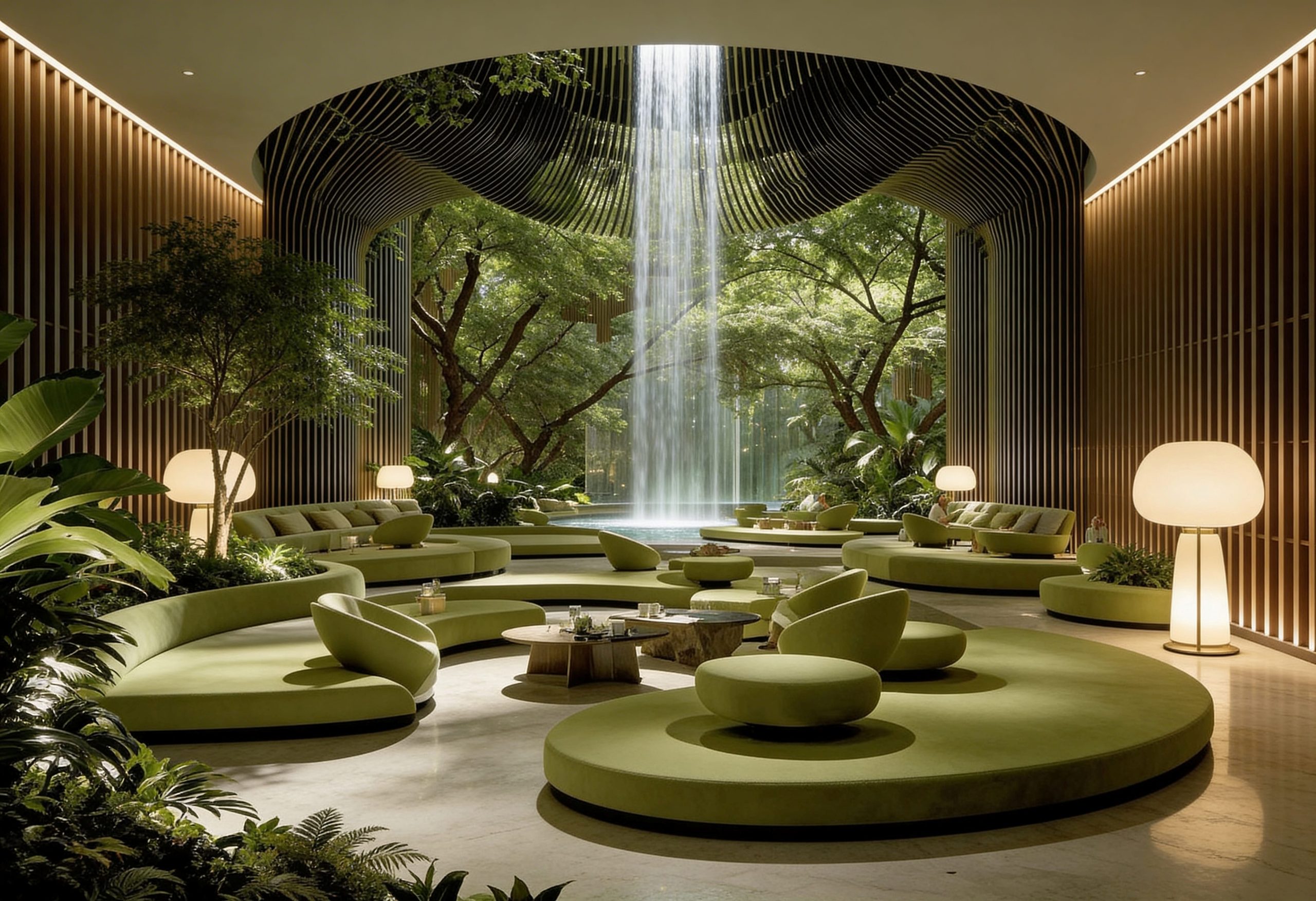
In the luxury segment, environmental design has too often been reduced to cosmetic landscaping, with lush vertical gardens and manicured pool decks that photograph well in sales brochures but demand excessive water and energy to maintain.
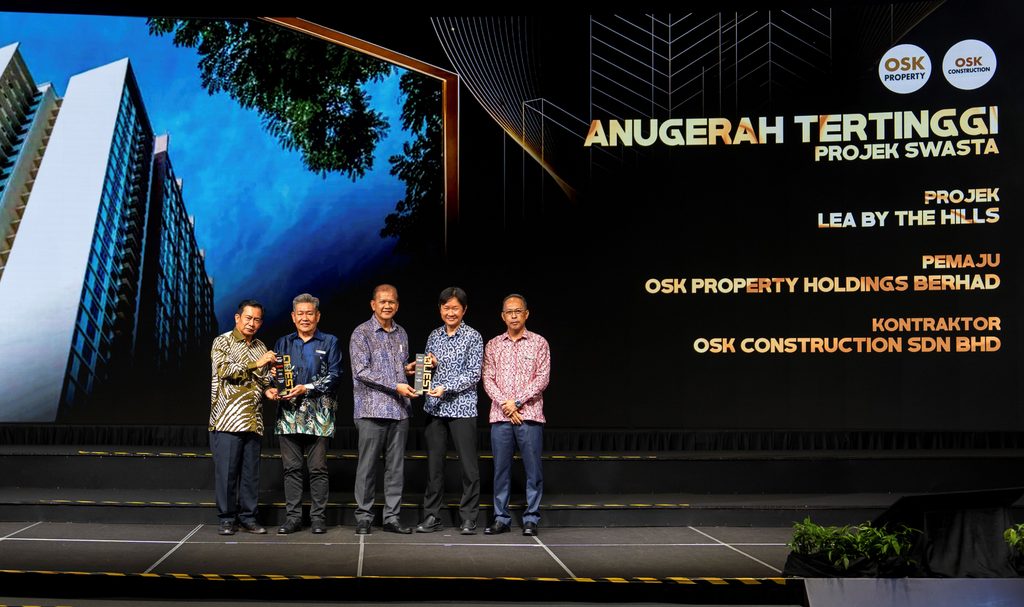
As industry judges and technical evaluators at the recent Malaysia Developer Awards (MDA) observed, the market is demanding verifiable environmental performance. Malaysian Institute of Property and Facility Managers (MIPFM) president Ishak Ismail said: “A recurring gap was treating placemaking as purely cosmetic landscaping. True benchmark-setting developers are moving toward microclimate management, native biodiversity preservation and urban heat island mitigation—designing functional outdoor environments that naturally manage rainwater runoff and reduce ambient temperatures.”
In high-rise branded residences, where extensive glass curtain walls and soaring atriums can produce massive cooling loads, environmental sustainability hinges on engineering rigour. Tropical climate resilience requires passive shading, high-performance low-E glazing, energy-efficient building envelopes and circular water management systems.
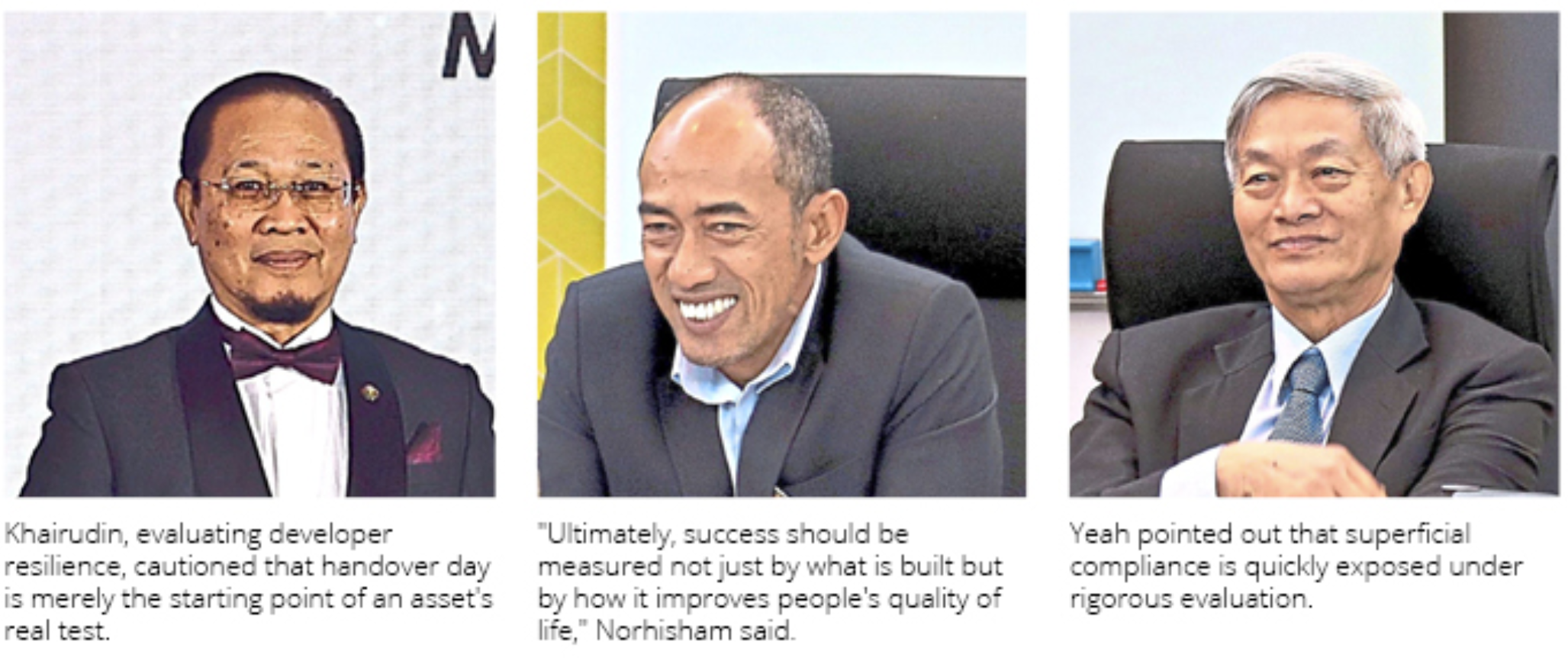
Furthermore, the integrity of environmental claims is under unprecedented scrutiny. Sunway University’s Jeffrey Cheah Institute Economic Studies Programme director Prof Yeah Kim Leng pointed out that superficial compliance is quickly exposed under rigorous evaluation.
“The most consistent gap across both categories was verifiable, third-party-recognised ESG performance. Many developers claimed alignment with the FTSE4Good Bursa Malaysia framework rather than confirming actual index inclusion which made that line item a common weak spot… The strongest ones tied placemaking and digitalisation initiatives to measurable outcomes while weaker ones described intentions or features without showing results,” he said.
For branded residences commanding massive price premiums per square foot, aspirational language without internationally audited green building certifications (such as GreenRE, GBI or BCA Green Mark) is no longer tolerated by sophisticated global buyers.
Social value and human-centred placemaking
The Social dimension of ESG introduces the most profound operational challenge to branded luxury real estate. Historically, luxury positioning has relied on exclusion. Yet modern ESG frameworks demand inclusive placemaking, universal accessibility and social relevance.
Petaling Jaya City Council’s Urban Planning Department Deputy Director Norhisham Hussain identified this as an industry-wide blind spot.
“A key gap is the need to move beyond building attractive properties towards creating meaningful places and communities. Placemaking should go beyond landscaping and public spaces to foster social interaction, accessibility and a sense of belonging… Moving forward, developers should focus on human-centred design and measurable long-term impacts. Ultimately, success should be measured not just by what is built but by how it improves people’s quality of life,” he said.
This perspective was reinforced by veteran architect and academic Associate Prof Datuk Zulkhairi Md Zain who argued that luxury developments must abandon insular thinking.
“A development should not be judged solely by the appearance of its buildings, the number of facilities provided or the attractiveness of its marketing imagery. The more fundamental question is whether it creates places where people genuinely want to live, work, meet, interact and spend time… Responsible development extends beyond the project boundary. A successful development should contribute positively to its neighbourhood, infrastructure, public realm and community, rather than functioning as an isolated commercial enclave,” he said.
Ishak similarly warned against the demographic tunnel vision common in high-end projects. “Placemaking often heavily targets young professionals or luxury buyers, frequently overlooking ageing demographics and accessible community infrastructure. Future-ready developments must incorporate universal design principles, accessible public spaces and adaptive social hubs that naturally support ageing-in-place and long-term community cohesion.”
If branded residences are to remain socially sustainable, they must balance five-star privacy with inclusive, universally accessible design, fostering organic community well-being rather than sterile isolation.
ESG principles have become the definitive benchmark determining whether a branded residence delivers enduring capital preservation or degenerates into an expensive, depreciating trophy asset.
Governance and the 30-year lifecycle
Nowhere is the impact of ESG more financially critical than in governance and lifecycle facility management. A branded residence is a long-duration contractual partnership. When buyers pay millions of ringgit upfront, they are trusting that the developer and the associated hotel operator have the financial stamina and administrative probity to manage the building decades down the road.
Royal Institution of Surveyors Malaysia president Prof Mohd Khairudin Abd Halim, evaluating developer resilience, cautioned that handover day is merely the starting point of an asset’s real test.
“As a property professional, I strongly believe that the true quality of a development should not be judged only on the day it is completed or handed over but on how well it continues to perform, function and retain its value over the next 10, 20 or even 30 years. Developers should therefore place greater emphasis on lifecycle costs, durability of building materials, maintainability, energy efficiency and the financial sustainability of common facilities, particularly in strata developments,” he said.
Ishak explained: “Short-term spikes in revenue or operating margins often reflect aggressive inventory clearance or favourable launch timing. However, tracking performance across a multi-year window highlighted developers capable of preserving balance sheet health, maintaining consistent unbilled sales and managing gearing ratios through economic and supply chain shifts. Integrating qualitative ESG criteria shifted the evaluation from purely retrospective financial metrics to long-term value creation. Truly resilient developers treat ESG not as a compliance check but as a core operational risk management strategy.”
Yeah reinforced that financial stability and ESG are inextricably linked:
“The top-ranked companies… stood out because their ESG and placemaking claims were backed by quantified targets, track records and embedded governance that are reflected in their financial performance.”
In strata-titled branded residences, where service charges and sinking funds are significantly higher due to concierge amenities and specialised hospitality facilities, governance failure can be catastrophic. If a developer uses cheap materials to save upfront capital expenditure, maintenance costs escalate drastically, triggering disputes between unit owners and hotel management, eroding rental yields and destroying capital values.
In their bid to appear innovative, many luxury developments tout app-driven amenities, smart mirrors and robotic concierges. Yet both planning officials and property managers caution that technology without purpose fails the ESG test.
Norhisham said: “Innovation should also deliver practical benefits beyond marketing, particularly in building management, sustainability and community engagement.”
Ishak added: “While proptech and smart-home features are widely marketed, many implementations remain fragmented. The emerging trend and key gap to bridge is unified digital infrastructure. Benchmark developments must integrate facilities management, energy tracking and security into cohesive, user-centric ecosystems rather than relying on stand-alone smart gadgets.”
Zulkhairi concurred: “Digitalisation should not be regarded as an achievement simply because a developer adopts new software, smart-building features or digital marketing platforms. The more relevant question is what problem the technology solves and how it improves the development process or the experience of its users.”
For branded residences, purposeful innovation means deploying predictive facility maintenance, real-time energy tracking to lower communal utility costs and transparent digital communication portals between strata committees and hotel operators.
True benchmark-setting developers are moving toward microclimate management, native biodiversity preservation and urban heat island mitigation.
Redefining the true benchmark of luxury
The integration of ESG into Malaysia’s branded residences marks a decisive break from the speculative excesses of the past. A five-star hospitality logo on an entrance portal can no longer mask an energy-inefficient façade, an alienated local community or a financially over-geared balance sheet.
As Zulkhairi reflected: “Ultimately, raising the benchmark for Malaysian property development requires a broader understanding of value. Financial performance remains indispensable but the industry must also consider the environmental consequences of its decisions, the social value it creates and the lasting quality of the built environment. The real measure of progress is not simply how much we build, how quickly we build or how successfully we sell. It is whether what we build makes a meaningful and lasting contribution to the lives of people and the future of our cities.”
For developers, hotel operators and investors navigating Malaysia’s luxury horizon, the verdict is unequivocal. Real estate luxury is no longer defined by gilded finishes or marketing pedigree; it is defined by the enduring resilience of the building, the integrity of its governance and the sustainable quality of life it provides for generations to come.





POST YOUR COMMENTS