KUALA LUMPUR: With Malaysia projected to become an aged society by 2030, one of the biggest gaps in the country’s housing stock, from a property and community development perspective, is its focus on the property itself rather than the township and community around it.
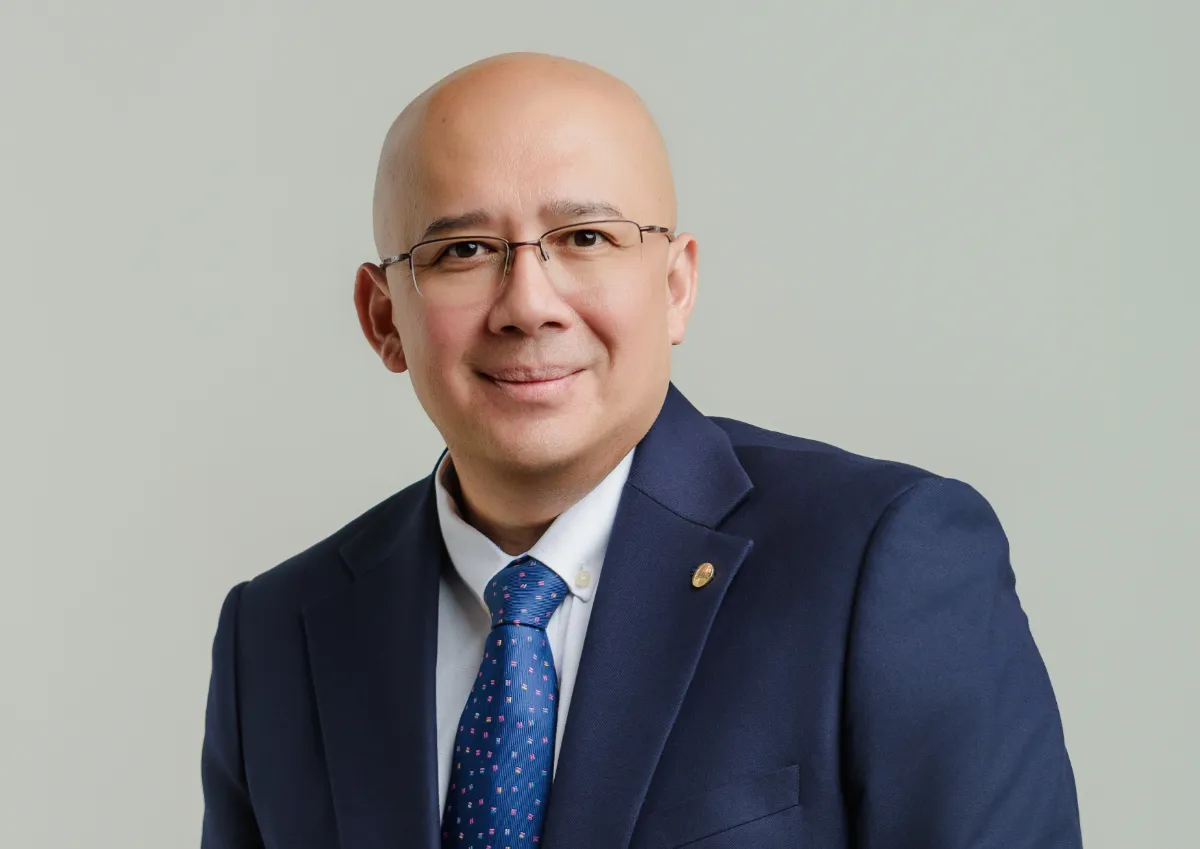
MTT Group property and asset director Leonard Theng said that when building a township, developers and stakeholders must think about how people will actually live there as they age – whether they can easily access amenities, healthcare, wellness, nature and social activities, for example.
“It’s about creating a living environment that supports ageing well, not just building a home that meets today’s needs,” said Theng, who also represents Eden at Botanica CT.
“At Eden at Botanica CT, for example, we are looking at an integrated ecosystem where independent living is complemented by care support within the wider Botanica CT township, including the care residence and the up-and-coming Selgate Specialist Hospital Penang,” he told SunBiz.
For the upcoming Budget 2027, Theng said the government should view ageing as a broader economic and quality-of-life opportunity, encompassing not just healthcare and welfare, but also urban planning, housing, employment and financial planning.
“We can continue to develop the WHO Age-Friendly Cities and Communities approach, which encourages cities to create environments that meet the needs of older people while remaining inclusive and accessible for people of all ages and abilities.
“Penang already has positive initiatives such as the Penang Age Friendly City Project, and we can continue building on these efforts while learning from other cities and countries.
“It would also be nice to see more seniors being given the opportunity to remain part of the workforce, whether through senior-friendly hiring practices or more flexible employment options.
This allows them to stay active, engaged and continue contributing their experience,” he said.
There is an opportunity to develop more senior-centric communities that support not just care needs, but also the lifestyle, independence and social connections of older adults, he added.
When asked about the government, developers, healthcare providers and financial institutions sharing responsibility for building an ageing-ready ecosystem, Theng said no single stakeholder can address Malaysia’s ageing challenge.
He said such initiatives require an integrated ecosystem, with government providing the right policies and standards, developers creating age-friendly communities, healthcare providers offering more accessible and proactive care, and financial institutions developing solutions that support retirement and future care needs.
“We have also tried to bring these elements together. For example, our Signature Retirement Experience with AIA Pension & Asset Management includes a RM25,000 contribution towards the purchaser’s PRS, linking financial preparedness with the broader retirement living experience,” he added.
Theng noted that senior-living communities must avoid being perceived as last-resort institutional care facilities.
“We need to educate the public and change the perception that senior living is somewhere you go only when you can no longer manage on your own.
“That is a very reactive way of looking at ageing. Senior living should instead be a proactive lifestyle choice.
“Because there is a difference between simply being alive and truly living your life – and senior living should be about enabling people to continue living life to the fullest as they age.”
Theng said at Eden at Botanica CT, for example, the emphasis is not simply on providing a place to live, but on creating an environment that encourages residents to continue enjoying – and even improving – their lifestyle as they age.
“The Fun Hub brings wellness, recreation and social activities into everyday living, while the wider community encourages interaction and connectedness.
“It is also about the experience of living there. Rather than feeling like a healthcare institution or simply another condominium, senior living can adopt a more hospitality-led approach, where the management team actively facilitates activities, services, care and community life.
“Ultimately, the aspiration should be to choose senior living because it enhances the way you want to live – not simply because you need care,” he said.
Looking ahead, Theng said Malaysia is arguably ahead of the senior-living curve today, but the demographics will catch up.
“That is why we need to start building and planning now, rather than waiting for the demand to become obvious.
“We also need to recognise that the seniors of the future will have very different expectations,“ he added.
Theng also noted that today’s market is largely focused on Baby Boomers in their 60s to 80s, but over the next five to ten years, Gen X – now in their 40s and 50s – will increasingly enter this stage of life, with different expectations around lifestyle, choice and experiences.
“This is important because these generations have grown up with very different expectations around lifestyle, choice and experiences. Gen X in particular is more globally exposed and well-travelled, and is likely to ask not just, ‘Where will I live?’ but ‘How do I want to live?’,” he said.
Theng said this will have a significant impact on what developers need to create – from the design of homes and amenities to the wider community, wellness, mobility, social experiences and access to services.
“If we want to meet that future demand, we need to be thinking and building ahead of it today,” he added.








POST YOUR COMMENTS