Klang Valley Property Market: Steady Growth Amid a Cautious Q1 2026
May 25, 2026
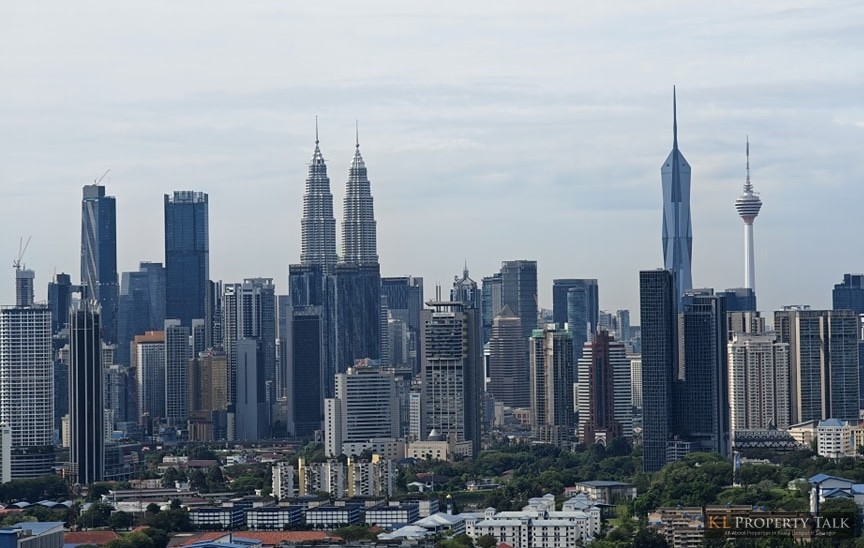
Malaysia’s property market started 2026 on a measured note, with nationwide transactions slipping 8% to 89,966 and total transaction value dipping marginally by 0.6% to RM51.09 billion, compared to Q1 2025. The national Malaysian House Price Index (MHPI) still posted a positive 1.7% year-on-year gain, reaching 235.2 points with an average house price of RM507,533, according to the Property Market Report for Q1 2026 released by the Valuation and Property Services Department (JPPH) on 14 May 2026. For the Klang Valley, the picture is one of resilience — but with some notable divergences between KL and Selangor worth unpacking.
Kuala Lumpur: In Line With the National Average, But a Quarterly Pullback
Kuala Lumpur’s overall house price index came in at 208.3 points in Q1 2026 (preliminary), up 1.7% year-on-year from 204.8 in Q1 2025, precisely matching the national average. In ringgit terms, the average house price in KL rose from RM813,271 to RM826,980 over the same period, a gain of roughly RM13,700 in a year.
However, the quarter-on-quarter reading tells a slightly different story. The index pulled back 1.7% from Q4 2025’s reading of 212.0, one of the sharper quarterly dips among major states. This is not unusual for KL given the volatility typical of a high-density urban market, but it is worth monitoring going into Q2.
Property Type Breakdown
The standout performer in KL by property type was semi-detached homes, which posted a strong 8.2% year-on-year gain to reach an index of 180.3. While semi-detached properties carry a relatively small weighting in KL’s index at 3.1%, the sharp appreciation signals genuine demand pressure in this segment, likely driven by the limited supply of landed homes within the city.
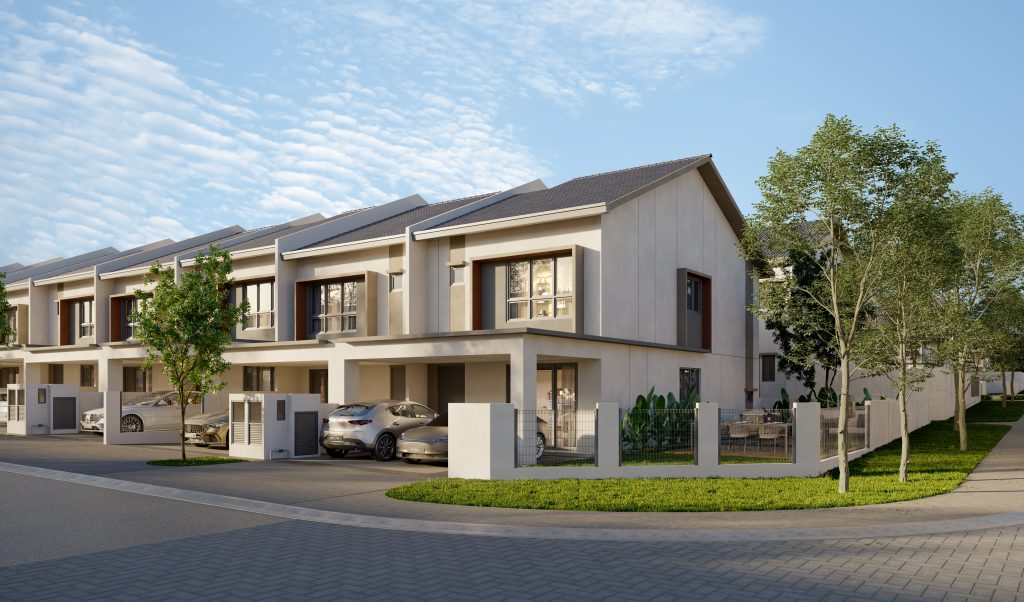
Terraced houses also performed well, with the index rising 2.5% year-on-year to 257.6. Terraced homes account for 27.8% of KL’s index weighting and continue to attract strong end-user demand.
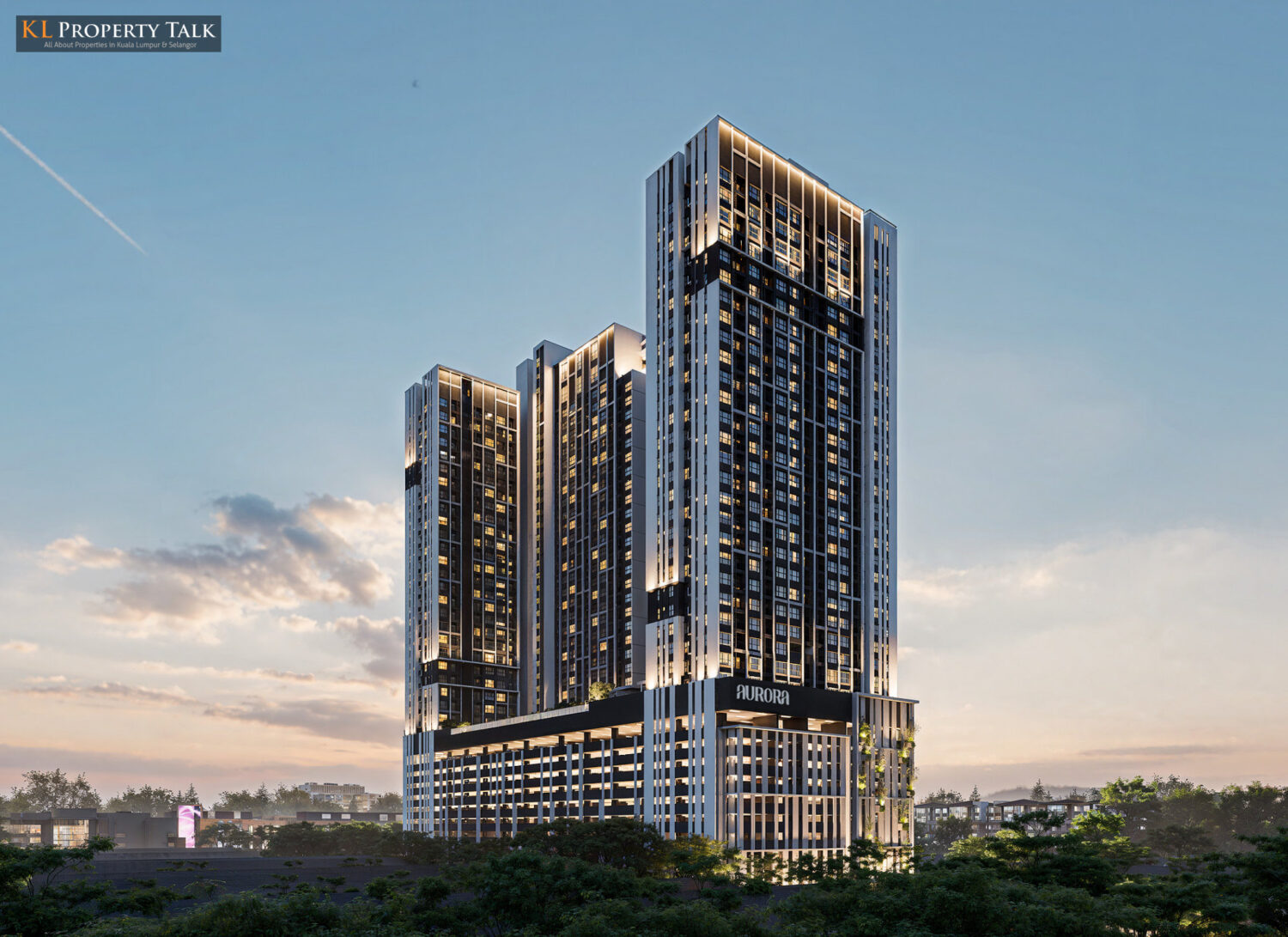
High-rise units, which dominate KL’s index at a 65.1% weighting, were essentially flat with just a 0.2% year-on-year gain, bringing the index to 236.8. This muted performance in the high-rise segment reflects the ongoing supply overhang of condominiums and serviced apartments in the city, and suggests price growth in this segment will remain subdued until the overhang is meaningfully absorbed. Detached homes posted a marginal 0.5% gain to 112.8.
KL by Region: The North Surges, The South Retreats
The most striking regional story within KL is the terraced house market. KL North — covering Mukim Batu, Mukim Setapak and Mukim Ulu Klang — posted a remarkable 7.4% year-on-year jump in terraced house prices, with the index reaching 275.6. This likely reflects the spillover demand from the city centre as buyers seek more affordable landed options in mature but well-connected northern suburbs.
KL Central posted a modest 0.9% gain to 248.8, while KL South (Mukim Petaling and Mukim Cheras) was the only region to register a decline, slipping 3.9% year-on-year to 239.9. The KL South softness warrants attention, particularly for those holding or considering terraced property in the Cheras and Petaling corridors.
For high-rise units, KL South bucked the trend, recording a solid 3.4% year-on-year gain to 252.7 — the strongest performing region for this segment. KL Central was nearly flat at 0.1%, while KL North dipped slightly by 0.8%.
Selangor: Stable But Softer, Lagging the National Average
Selangor’s overall house price index reached 235.2 points in Q1 2026, a 1.0% year-on-year increase from 232.8 in Q1 2025, coming in below the national average of 1.7%. Quarter-on-quarter, the state was essentially unchanged, inching down just 0.1% from Q4 2025’s reading of 235.5.
In price terms, the average Selangor home was valued at RM570,467 in Q1 2026, up from RM564,540 a year earlier, a gain of roughly RM5,900. While positive, this is a relatively modest increase for the country’s most populous state.
Property Type Breakdown
Semi-detached homes were the top performer in Selangor as well, rising 3.5% year-on-year to an index of 185.3, suggesting that demand for landed semi-Ds is a consistent theme across the Klang Valley.
Terraced homes — the dominant segment at 60.2% weighting — grew a measured 1.3% to 264.7. High-rise units posted a slightly stronger 1.5% gain to 210.6. The weak spot was detached homes, which fell 4.0% year-on-year to 179.3, a notable decline that likely reflects affordability constraints at the top end of the landed segment.
Selangor by District: Klang Leads, Several Districts Cool
Among Selangor’s districts in the terraced house segment, Klang leads with the highest index at 330.3, up 1.5% year-on-year, continuing its run as one of the most active landed property markets in the state — driven by relative affordability and improving infrastructure connectivity.
Gombak and Petaling posted the strongest year-on-year gains among districts, rising 2.7% and 2.5% respectively, reflecting ongoing demand in these well-established suburban corridors.
On the other end, Kuala Selangor fell 4.6% year-on-year to 264.8, while Sepang and Hulu Langat also posted mild declines of 1.5% and 1.3% respectively. Hulu Langat’s softening is notable given its previous growth momentum, and may reflect buyer hesitation at current price levels in that corridor.
For high-rise units, the Petaling district remained the dominant and growing submarket, up 3.3% year-on-year to 215.6. Hulu Langat’s high-rise index, however, fell sharply by 5.2% to 192.1 — the most significant decline among all Klang Valley subsegments tracked this quarter.
What This Means for KL and Selangor Buyers and Investors
The Klang Valley market in Q1 2026 is best characterised as stable but selective. There is no broad-based price surge, but there are clear pockets of strength: landed semi-detached homes across both KL and Selangor, terraced houses in KL North and the Gombak-Petaling corridor in Selangor, and high-rise units in KL South and Petaling.
For buyers, the data supports a cautious but opportunistic approach. The quarterly pullbacks in KL and the softness in several Selangor districts suggest that negotiating room may exist in certain segments and locations. For investors, the high-rise overhang in KL remains the key risk to watch — until supply normalises, capital appreciation in this segment will remain constrained.
The government’s ongoing support through Budget 2026, including the RM20 billion Housing Credit Guarantee Scheme and the stamp duty exemption for first-time buyers on properties up to RM500,000 extended to end-2027, continues to provide a floor for demand, particularly among owner-occupiers in the mid-range segment.







POST YOUR COMMENTS