BOVAEP launches latest property management standards
From
/ 11/09/2026
(From left) Pamela, Abdul Razak and Ishak at the launch and Professional Convocation Ceremony. PETALING JAYA: The Board of Valuers,...
Read More

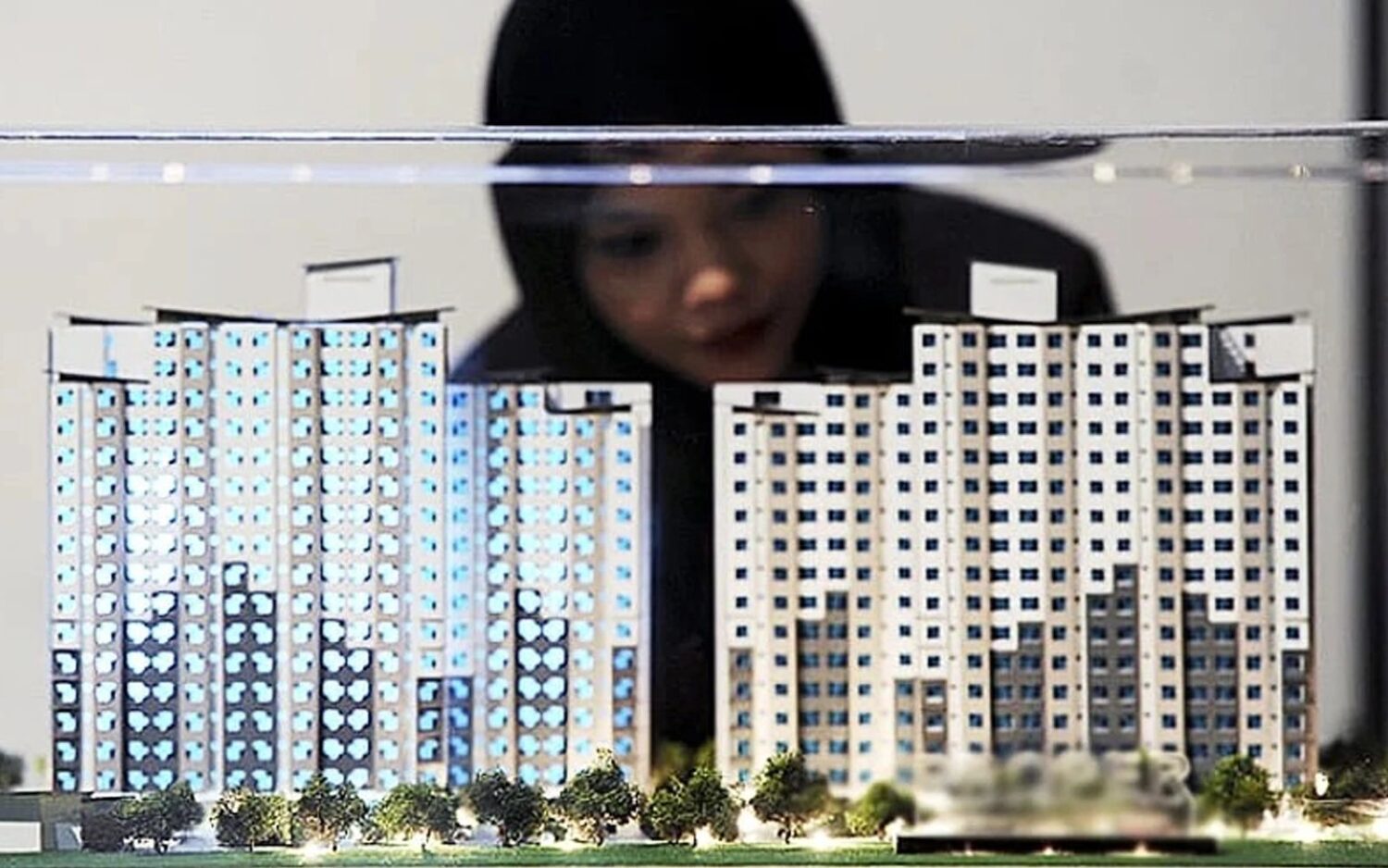
The property market is expected to remain stable in 2026 as long as there is no major escalation of global conflicts, says the Real Estate and Housing Developers’ Association (Rehda).
Rehda president Ho Hon Sang noted that several macroeconomic factors support this outlook, including a stronger ringgit, steady economic growth, stable interest rates, and political stability.
Ho acknowledged that construction and selling prices have increased but remain manageable, suggesting the market is unlikely to experience drastic fluctuations.
Ho also said housing demand has slowed compared with previous decades, mainly because of affordability and financing challenges faced by buyers.
“If you compare income levels with the real rate of inflation, you can see a gap, which affects buyers’ ability to secure housing loans,” he said at a media briefing on the Rehda Property Industry Survey 2H 2025 and Market Outlook for 2026.
He warned that energy prices and construction material costs could rise if geopolitical tensions escalate further, potentially affecting development costs.
“At this stage, we haven’t seen a serious impact from major cost increases attributed to oil,” he said.
Ho also said key construction materials such as steel could be affected if the conflict disrupts global supply chains, potentially causing moderate delays in project completion.
“So far, the conflict has only been ongoing for about two weeks. Contractors are vigilant, and we expect to receive feedback from time to time on industry developments and what the government can do to help,” he said.
Joint US-Israeli airstrikes on Iran and subsequent Iranian retaliation have brought shipping to a halt at the Strait of Hormuz.
The narrow waterway accounts for a fifth of the world’s oil supplies, and world economies have scrambled to try to manage prices, with member states of the International Energy Agency agreeing a record release of 400 million barrels of oil from their reserves.
Source: FMT News











POST YOUR COMMENTS