All under one roof
From
| 04/03/2026
Multi-generational living used to focus on ageing parents. Today, developers are designing homes for a different reality. They are thinking...
Read More

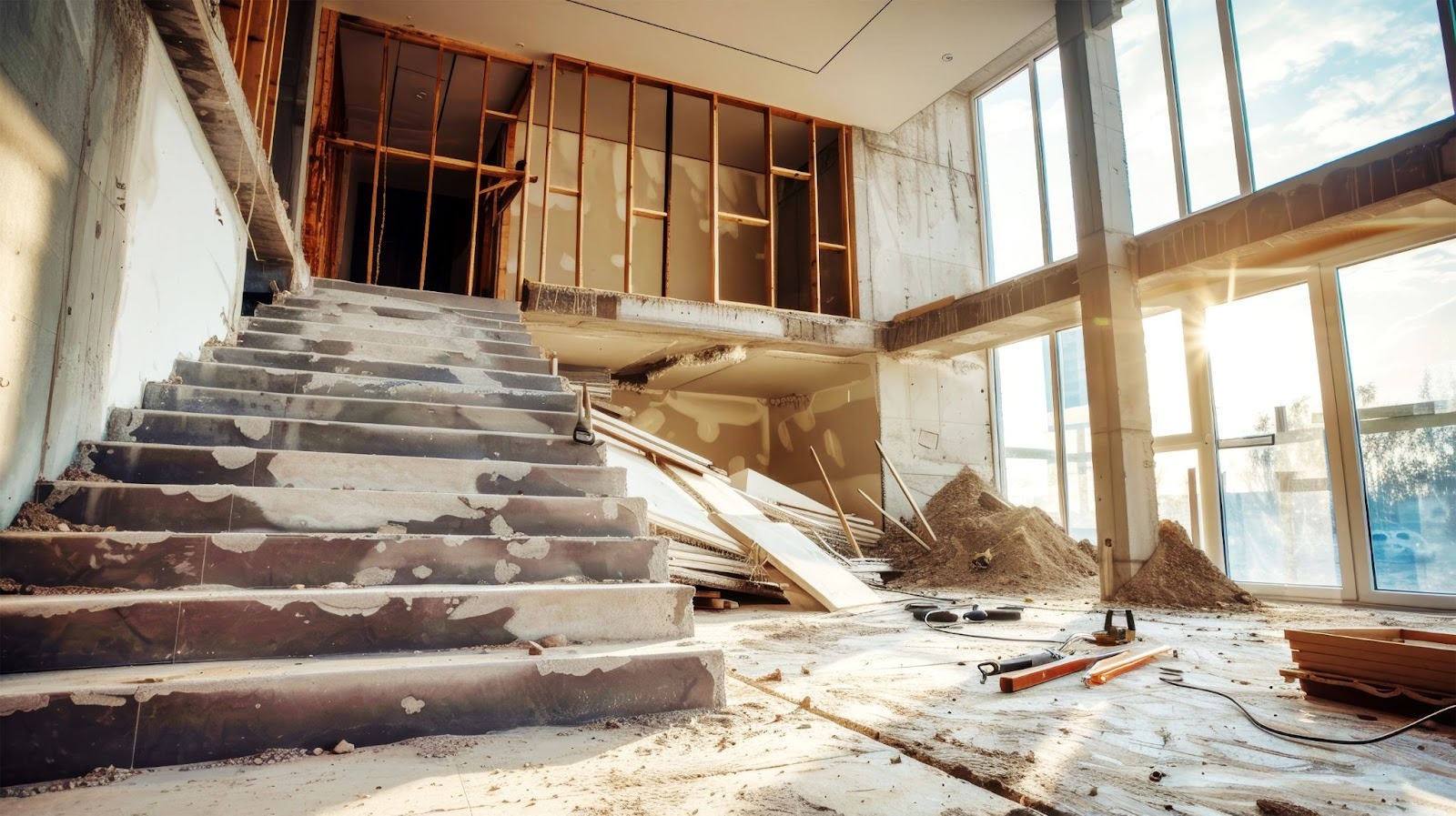
In the world of social media and success stories that flood our feeds, the acronym BRRRR might have popped up. Short for Buy, Rehab, Rent, Refinance and Repeat, it has become a popular way to quickly build a property portfolio. The idea is pretty straightforward. An investor snags an undervalued property, gives it a facelift, rents it out, refinances to access some of that increased value and then dives back in to do it all over again.
In the United States, BRRRR has proven to be a game-changer, thanks to a wealth of distressed properties, adaptable refinancing options and solid rental yields. But here in Malaysia, things are not quite so simple. This begs the question: Can BRRRR really deliver similar results in our local market or is it just an overhyped shortcut that does not quite fit the landscape?
This issue is particularly clear when it comes to properties like the Rumah Mampu Milik Wilayah Persekutuan (Rumawip), Kuala Lumpur’s affordable housing program. While a few investors have attempted to apply the BRRRR method to these units, it is important to remember that the primary goal of this program is inherently social. It is there to help first-time buyers secure a home. The built-in constraints of the scheme make it tough to shoehorn the classic BRRRR approach into this scenario.
Understanding BRRRR and its appeal
At its core, BRRRR offers a way to grow a property portfolio without continually injecting fresh capital. By renovating and renting, investors create value. By refinancing, they free up equity to afford their next acquisition. Ideally, the cycle can be repeated multiple times, rapidly scaling an investor’s holdings.
The model relies on several structural factors, including reliable rental demand, predictable post-renovation valuation increases and flexible bank refinancing. These conditions are relatively common in Western markets but in Malaysia, they are more constrained. Understanding these differences is key for investors hoping to implement BRRRR locally.
Rumawip: Affordable housing with investment constraints
The Rumawip program, also known as Residensi Wilayah, is designed to help low- and middle-income residents in Kuala Lumpur, Putrajaya and Labuan buy their first home. Units are priced below market value and eligibility is restricted to residents meeting income caps. Historically, these units could not be sold or transferred freely for up to ten years from the Sale & Purchase (S&P) stamp date, although some rental is permitted under certain regulated conditions.
These constraints make Rumawip units fundamentally different from typical BRRRR properties. While the strategy can theoretically apply, execution is complicated by legal and regulatory limitations.
Some investors outline a Rumawip-BRRR approach. Buy a subsidised Rumawip unit, typically around RM300,000 for a 3-bedroom condo. Next, the unit is rehabbed, as many are delivered in bare-bones condition. Then, the unit is rented to eligible tenants, which generally includes Malaysians only. The next step is to refinance the unit to unlock equity and finally, repeat the cycle with another property. While this aligns with the classic BRRRR concept, Malaysian realities add complexity at every stage.
Buying as the first issue
Rumawip units are primarily intended for first-time homeowners, not investors. Restrictions on resale, income eligibility and resident priorities tend to limit speculative access. While renting may be permitted, there is also the issue of enforcement that varies across authorities, creating what experts dub legal ambiguities.
For other properties outside Rumawip, auctions and subsales come with challenges such as legal complexities, uncertain occupancy and long settlement timelines. For Malaysian investors, the buying stage requires careful due diligence to mitigate these risks.
Rehab risks
Renovation is like the engine of BRRRR’s value creation. In Malaysia, however, rising construction costs, labour shortages and longer project timelines increase the element of unpredictability. High-density urban condos, including Rumawip units, have capped resale value based on surrounding units that can be compared to, so overcapitalisation like spending more on renovations than the property will appreciate is a real risk. Investors must be strategic, targeting improvements that enhance rental income and tenant appeal rather than chasing speculative market value.
Rent: Stable but modest yields
Rental income is meant to stabilise a property before refinancing. In Malaysia, yields are moderate. Kuala Lumpur’s average rent was RM2,901 in Q1 2025, up 6.1% year-on-year. The national average rent was RM2,020, up 5.2% year-on-year.
To compare, gross rental yields in urban hotspots hovered around 4% to 6%. While rents are resilient, net yields after management fees, maintenance and occasional vacancies are lower, limiting the initial cash flow available to repay refinancing loans. For BRRRR, this reduces the speed and flexibility of the strategy.
Refinancing is a critical bottleneck
BRRRR relies on unlocking equity. In Malaysia, however, banks are conservative. Valuations often rely on recent comparable sales rather than renovations. Cash-out refinancing is limited by loan-to-value rules and income evaluations. Even well-renovated units may struggle to provide sufficient equity for the second property buy. As a result, the refinancing step, which fuels rapid portfolio growth overseas, often instead slows or stalls in the Malaysian context.
Repeat becomes slower
Even if an investor successfully buys, renovates, rents and refinances, repeating the process faces additional hurdles. The second purchase might not qualify for first-time buyer incentives because larger down payments, usually 10% or more are typically required. There is also the issue of moratoriums and resale restrictions that delay portfolio expansion. In practice, BRRRR cycles in Malaysia are slower and more measured than in foreign markets, where equity extraction can fund rapid scaling.
When BRRRR can work locally
Even though there are a few hurdles, BRRRR is not a lost cause in Malaysia. Many investors have found success with older landed homes in established neighbourhoods where property valuations are more predictable. These types of homes offer a more stable investment scene, making it easier to calculate those potential returns.
So when it comes to renovations, it is all about making improvements that boost rental appeal rather than chasing speculative resale value. By zeroing in on updates that will attract tenants, investors can keep that steady income flowing without taking unnecessary risks in the hopes of a quick profit.
Also, it would be a smart move to think long-term. Embrace longer holding periods, where refinancing is used for managing capital instead of using it as a quick way to snap up more properties. This strategy allows the investor to build equity at a comfortable pace without the constant pressure to find the next investment.
If a buyer is looking at Rumawip units, it is crucial to remember that focusing on steady rental income and gradual equity growth will likely pay off more than trying to bulk up their portfolio at breakneck speed. This approach supports the development of a sustainable investment strategy that focuses on stability for the long haul instead of chasing after short-term gains.
Ultimately, the BRRRR strategy in Malaysia is not just a quick fix. It is more like a well-planned game that requires a disciplined approach to capital. With moderate rental yields, conservative lenders and some regulatory red tape, scaling up here can be more challenging compared to overseas markets. Those who overlook these aspects might find themselves tangled in legal issues. To truly succeed, it is essential to have a solid understanding of the local market and keep one’s expectations in check.
This article was first published in StarBiz7.
Source: StarProperty.my









POST YOUR COMMENTS