Niro Ceramic Group targets premium growth
From
| 02/03/2026
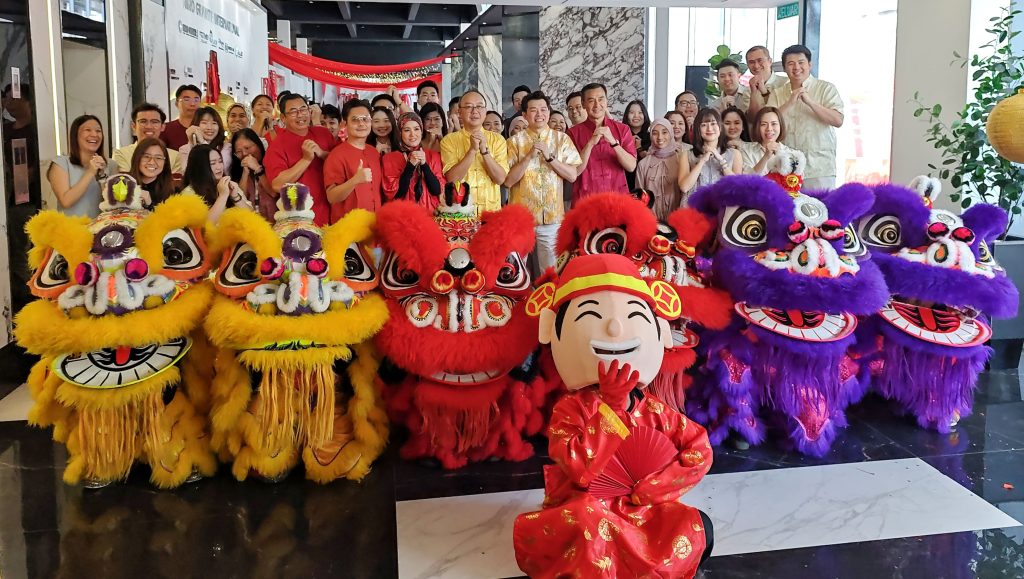
The Niro Ceramic Group team taking a group photo at the Chinese New Year open house. SHAH ALAM: As Malaysian...
Read More

A strategic dialogue with Shareda on the Land Below The Wind
By Joseph Wong
Sabah’s real estate landscape is navigating a dynamic period of transition, driven by the dual engines of a strong, resource-based economy and a dramatic post-pandemic surge in international tourism, particularly from North Asia. This rapid economic momentum is testing the limits of the state’s existing infrastructure, demanding specialised housing solutions and intensifying pressure on affordability and coastal resilience.
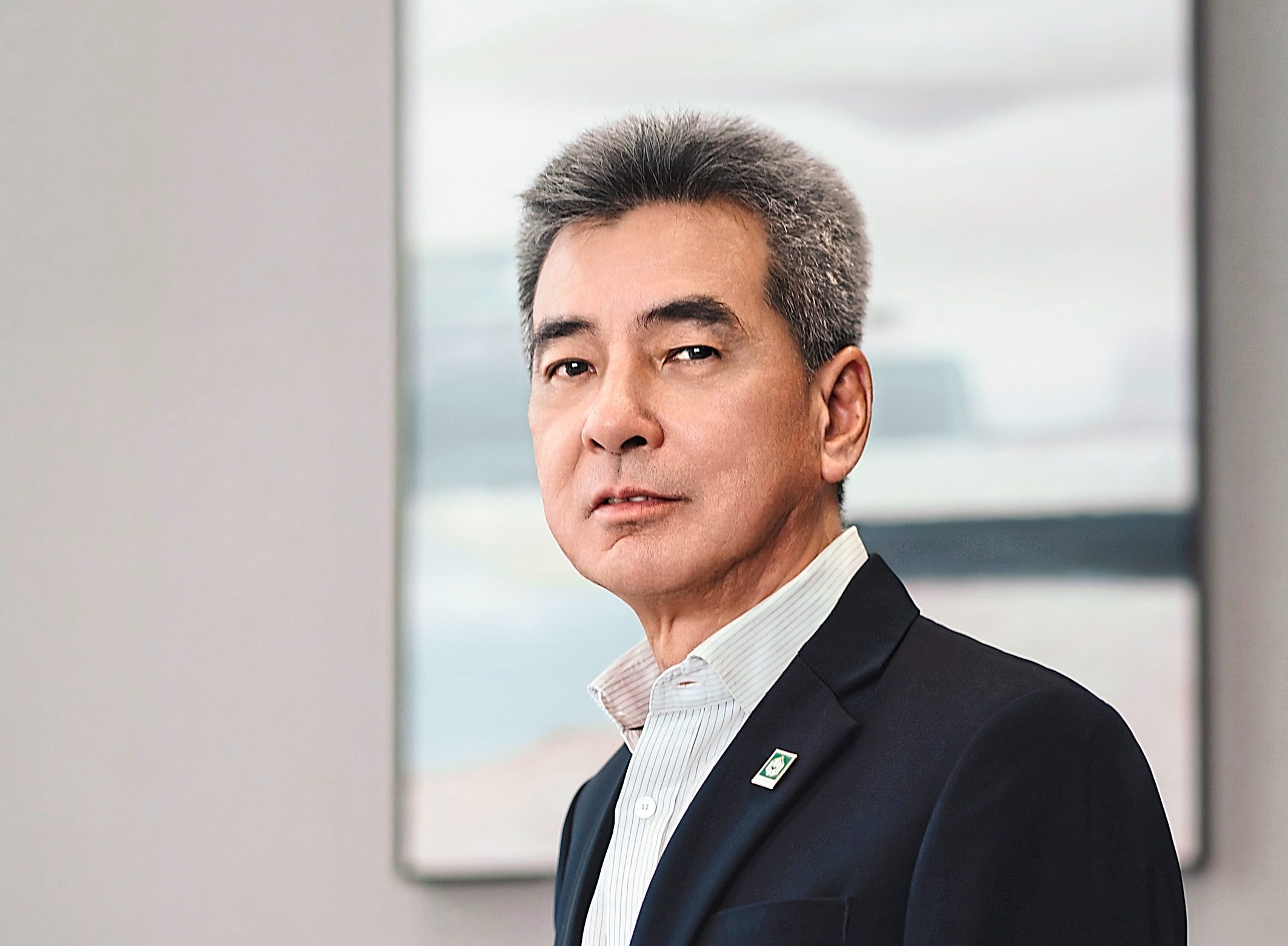
In this exclusive interview with StarProperty, Sabah Housing and Real Estate Developers Association (Shareda) president Datuk Johnny Wong provides a strategic perspective on how the industry is addressing these complex challenges.
StarProperty: With the dramatic return of international tourism, particularly from North Asia, how has the demand for short-term rental properties impacted the conventional residential market in Kota Kinabalu and key coastal towns and is Shareda advocating for any specific regulations to balance investor opportunity with long-term housing availability?
Wong: Shareda and its members are committed to working closely with the state government to ensure our growth is sustainable, inclusive and aligned with the Sabah Maju Jaya (SMJ) agenda. The return of tourism, particularly from North Asia, has definitely encouraged the market for serviced suites and premium condominiums in key areas like Kota Kinabalu and the coastal stretch. This tourism-driven demand offers investors attractive returns and boosts the state’s economy. Considering the current Sabah property market situation, we believe that short-term rentals are complementing, not displacing long-term residential demand. Most important is the government must have clear rules to create confident markets. This is how we allow tourism-driven income to grow while safeguarding long-term housing availability.
StarProperty: How are developers responding to the specialised demand for industrial or workforce housing in locations outside major urban centres, such as the East Coast, to support the rapid growth and expansion of high-value sectors?
Wong: Sabah’s economic strength is indeed anchored in its resources and the expansion of downstream activities on the East Coast (Lahad Datu, Sandakan and Tawau) demands a specialised housing solution. Developers are responding but not necessarily with high-density urban projects. The resulting demand is less for open-market housing and more for integrated, self-contained worker accommodation that meets stringent living and safety standards, particularly for industrial parks and large-scale plantations. Industrial park integration is key, for example, the Kota Kinabalu Industrial Park model. We are seeing such successful models where residential areas are planned specifically to house the workforce, offering proximity and efficiency. This model needs to be replicated across burgeoning industrial zones on the East Coast. To make these projects viable in remote areas, incentives are crucial, such as fast-track approvals and basic infrastructure provisioning by the state government, allowing developers to focus on constructing high-quality, specialised housing rapidly.
StarProperty: Sabah faces connectivity challenges both internally and externally. Which specific infrastructure upgrades are most critical?
Wong: The most critical factor to unlocking new development land beyond the main city centres is the completion and enhancement of core infrastructure. Once completed, this infrastructure will unlock more land for development, which in turn will stabilise land costs and enable decentralised city planning for housing and townships. The Pan Borneo Highway is the most vital lifeline, as its completion dramatically cuts logistics costs and travel time, instantly improving the viability of housing projects in surrounding towns. Internal road networks leading from the highway to proposed development sites must also be expedited and upgraded from Class P to Class B standards. Reliability of utilities is a major constraint. Critical projects like the Ulu Padas Hydroelectric Dam and major water supply upgrades across Sabah are necessary foundations. Utilities must be extended to proposed industrial and urban expansion areas as developers cannot sustain the initial high cost of bringing trunk lines to remote sites. We appeal for greater coordination to ensure that utility extensions align with approved development zones.
StarProperty: What are the current complexities or delays faced by developers regarding land acquisition and tenure conversion, particularly in relation to Native Customary Rights (NCR) land and what cooperative strategies is Shareda pursuing with the state government to streamline the approval process?
Wong: The complexity surrounding Native Customary Rights (NCR) land remains a significant hurdle. NCR disputes cause prolonged delays, increased costs and reputational risk for developers, hindering the smooth progress of housing and infrastructure projects. The lack of a clear, unified and expeditious mechanism for demarcation, titling and compensation is the primary complexity. Developers require certainty on land tenure before significant capital can be deployed. We are urging the state government to establish a dedicated, high-level task force involving the Land and Survey Department, Native Affairs Council and Shareda. The goal is to create a transparent and time-bound process for the conversion of land tenure, specifically addressing bumiputera-lot releases and agricultural-to-housing conversions. Furthermore, the task force should support a process that provides fair, upfront compensation to confirmed NCR right-holders, allowing development to proceed while respecting native rights and heritage.
StarProperty: As Kota Kinabalu prices rise, the affordability gap widens. Beyond typical low-cost housing schemes, what innovative design strategies are Sabah developers exploring to bring housing prices down to genuinely affordable levels for the B40 and M40 segments in the capital city?
Wong: The affordability gap in Kota Kinabalu is a serious concern, especially for the B40 and M40 segments. Beyond the government’s low-cost housing schemes, Shareda members are exploring innovative private-sector solutions:
Finally, the government can contribute by providing state land in urban areas for developers to build affordable homes. This measure would directly reduce property costs, ensuring prices meet affordable levels for the B40 and M40 segments.
StarProperty: What measures is Shareda promoting to encourage the growth of local, sustainable building material manufacturing within Sabah to reduce reliance on imports and stabilise property pricing?
Wong: Sabah’s reliance on imported building materials is a major cost driver, with some estimates showing over 95% of materials being imported. This exposes our projects to currency fluctuations and high shipping costs. Shareda is actively promoting a focused import substitution strategy. We are working with the Ministry of Industrial Development to identify and encourage local production of key high-volume materials such as steel products, ceramic tiles, paint and cement. We have called for incentives, including tax breaks and energy subsidies, to attract investment into local downstream processing and manufacturing. Currently, the market size in Sabah for certain products does not meet the economic scale required for local manufacturing, although long-term viability remains strong. Therefore, providing incentives and subsidies will make it feasible for investors to commit capital now rather than deferring until the market naturally reaches critical mass.
StarProperty: What specific advantages is Sabah leveraging to attract investment from Peninsular Malaysia and international buyers and are there specific property types seeing particular success?
Wong: Sabah offers an unparalleled value proposition that differentiates it from Peninsular Malaysia. Our unique natural environment—the beaches and Kinabalu rainforests—is our biggest draw. This attracts the niche market for eco-tourism and retirement properties. The state’s control over the Sabah-Malaysia My Second Home (S-MM2H) programme is a powerful tool. The revised guidelines make Sabah highly attractive to retirees and high-net-worth individuals from North Asia (China, Korea and Japan) seeking a tranquil, safe and culturally rich second home. We see particular success in resort-style condominiums and high-end retirement villages that offer integrated lifestyle amenities. These properties are often purchased as holiday homes or investment units for short-term rental, maximising the tourism synergy.
StarProperty: Given that much of Sabah’s prime development land is coastal, what new architectural design mandates or engineering standards is Shareda supporting to ensure new projects are resilient against increasing threats from coastal erosion, rising sea levels and more intense storm surges?
Wong: Given that much of our prime development land is coastal, climate change resilience is non-negotiable. Shareda fully supports the need for new architectural and engineering standards that specifically address projected threats like rising sea levels, coastal erosion and increased storm intensity. Mandates we support include:
We are committed to integrating these considerations into our development practices to ensure the long-term viability and safety of our coastal projects. Waterfront living is our strength but long-term resilience is what protects its value.
Source: StarProperty.my







POST YOUR COMMENTS