Property News
Petaling Street’s new face draws local, international
visitors
Apr 4, 2026
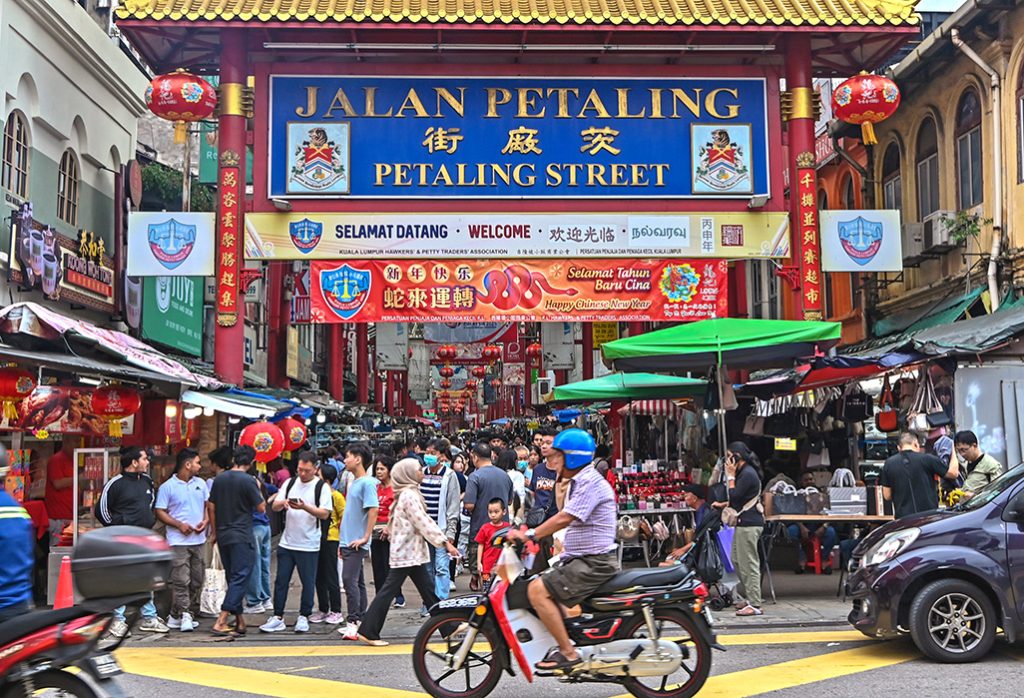
KUALA LUMPUR — A walk through Petaling Street, better known as Chinatown, still carries the familiar rhythm of bargaining voices and the irresistible pull of street food. But today, the historic enclave offers something more; a renewed charm that is steadily captivating both local and international visitors.
Framed by rows of old, character-rich buildings, the area, whose origins trace back to the 1800s, has long been a cultural crossroads. Its bustling market and heritage appeal continue to draw those eager to experience the layered identity of Malaysia’s capital.
In recent years, however, Petaling Street has evolved beyond a traditional shopping destination. It has become a must-visit for coffee enthusiasts and urban explorers, with a growing cluster of aesthetic cafes breathing new life into its ageing shophouses.
This transformation did not happen by chance. Revitalisation efforts led by Kuala Lumpur City Hall (DBKL), in collaboration with the private sector, have extended beyond Petaling Street itself. Previously neglected corners nearby have been reimagined into vibrant spaces, now popular backdrops for photography and social media content.
Among the standout highlights is Kwai Chai Hong, tucked between Lorong Panggung and Petaling Street. Once a dim and avoided alley, it has undergone a striking transformation into one of the city’s most Instagrammable mural spaces.
Set against interactive murals depicting everyday life in the 1960s, Kwai Chai Hong, which translates from Cantonese as ‘Little Ghost Lane,’ has become a focal point for visitors. Nearby, the revitalised Lee Lam Thye Market has also emerged as a key attraction.
Located along Jalan Sang Guna (Drury Lane), the market now stands as a refreshed landmark that blends traditional architecture with contemporary aesthetics. Known for its distinctive high green roof, earning it the nickname ‘Green Dragon,’ the structure underwent a comprehensive upgrade, including the replacement of its old roofing system with a sturdier one. The project, completed in December 2025, was carried out in three phases beginning April the same year.
For Yong Onn Min, 55, a souvenir trader who has spent two decades earning a living there, the improvements have brought much-needed relief.
“Before, the roof was full of holes and it leaked whenever it rained. Now it’s been replaced, it looks much better, and we no longer worry about running our business during bad weather. Even though we had to close for a month in stages during construction, it was a worthwhile sacrifice,” he said.
Visitor Nur Qalesya Umairah Nurfaizarizal, 17, described the area as more “alive” than before, making it a preferred spot to unwind at its unique cafés, although she hopes cleanliness will continue to be improved.
The rapid transformation has also caught the attention of foreign tourists, including Bui Thi Kim Phuong from Vietnam, who was pleasantly surprised by how a historic district like Chinatown could be so dramatically reimagined. She described its artistic alleys as a must-visit for photography.
In a statement, DBKL said the Petaling Street upgrading project, which began on March 3 last year, is expected to be fully completed by May 1. The effort involves close collaboration with the Petaling Street Hawkers Association, the Petaling Street Traders Association, consultants and contractors.
The project’s main scope includes roof replacement, reorganisation of electrical wiring systems, and restructuring of hawker spaces into more orderly, covered areas, with a total cost estimated at RM7 million.
The area has also been equipped with closed-circuit television (CCTV), improved lighting, and disability-friendly ramps, while electrical works have been upgraded using an underground trenching system to ensure a safer and more organised environment.
DBKL said that long-term maintenance will remain a priority, including prompt action on any reported facility damage to ensure upgraded amenities remain functional.
“DBKL is committed to ensuring infrastructure and public facilities are always in the best condition — clean, safe, and well-maintained — while ensuring hawker and business operations comply with established guidelines. This is to provide a comfortable experience for visitors and enhance Kuala Lumpur’s appeal as a leading tourism destination,” it said. — BERNAMA
Source: The Malaysia Reserve






POST YOUR COMMENTS