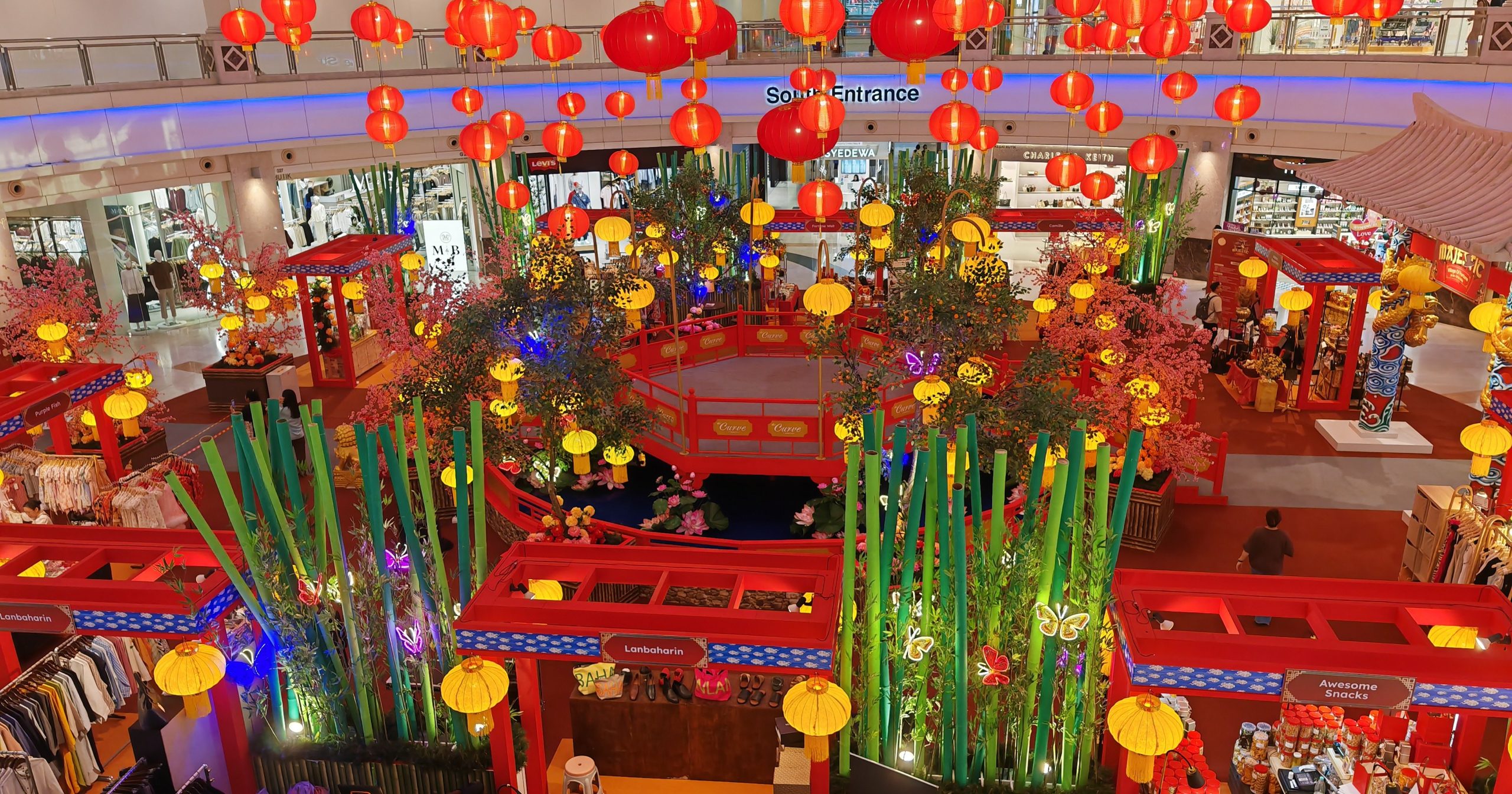
Even as the lunar calendar turns toward the Year of the Fire Horse in February 2026, Malaysia’s shopping malls have already undergone a transformation that is more than just aesthetic. The immersive festive environments curated by shopping malls are a proven catalyst for consumer spending, effectively converting holiday foot traffic into tangible retail growth. Consequently, Malaysian shopping malls allocate substantial capital expenditure toward festive programming, specifically for the Big Three celebrations of Christmas, Chinese New Year (CNY), and Hari Raya, to maximise seasonal revenue opportunities.
While the current crimson lanterns and elaborate zodiac dioramas deck the halls of the nation’s premier retail hubs to usher in the Year of the Horse, the underlying economic currents suggest that 2026 will be a record-breaking year for retail spending and international investment.
Driven by a unique cash tsunami of domestic government aid and a significant rerouting of Chinese outbound travel, Malaysia is positioned as the global biggest winner for the 2026 festive season.
Retail earnings in the first quarter of 2026 are projected to reach unprecedented levels, fueled by a simultaneous inflow of liquid cash into the Malaysian economy. Juwai IQI co-founder and group chief executive officer Kashif Ansari describes this as a cash tsunami that will hit precisely as the festive shopping season reaches its peak in mid-February.
This surge is anchored by three major fiscal events:
Sumbangan Tunai Rahmah (STR): The distribution of the first phase of this government aid.
Sumbangan Asas Rahmah (Sara): The RM100 credit injection for essential goods.
SSPA Salary Adjustments: The implementation of salary increases for civil servants under the Public Service Remuneration System.
With total government distributions estimated at RM15bil, consumer demand is expected to remain incredibly robust despite a moderating national GDP growth of 4.1% to 4.4%. This influx of liquidity is supporting a back-loaded shopping trend, where consumers are timing their major festive purchases to coincide with these mid-month cash injections.
The tourism pivot
While domestic spending provides the floor for the retail sector, international tourism is providing the ceiling. CNY 2026 is witnessing a sharp rerouting of Chinese outbound travel. According to Juwai IQI’s forecast, Malaysia is set to see a staggering 30% to 50% increase in Chinese visitors compared to 2025.
“Malaysia is the biggest winner in our forecast. Visa-free access, a four-hour flight time from much of China, and a bilingual Chinese–English environment further lower barriers to travel,” said Ansari, adding that no one wants to take risks with their big family holiday of the year, which is why there is a decline in travel to the US and Japan in favour of safer, welcoming Southeast Asian destinations.
Flight data confirms this shift. Nearly half of all Chinese travellers flying overseas during the 2026 Lunar New Year are heading to Southeast Asia. Meanwhile, travel to Japan and the US is expected to drop by as much as 45% and 40%, respectively, influenced by travel advisories and higher costs in Western markets.
Value and volume
Malaysian retailers are navigating a value-focused consumer environment. While the Ringgit has strengthened against the Renminbi, shoppers remain mindful of the cost of living and subsidy rationalisation. The festive demand is expected to be most concentrated in:
Essentials and F&B: Driven by reunion dinners and open-house hosting.
Fashion and beauty: As the Year of the Horse encourages new beginnings and fresh wardrobes.
Travel-related retail: Benefiting from the influx of millions of regional tourists.
Shopping malls are playing a psychological role in this surge. By sprucing up decorations and creating experiential retail environments, malls are capturing the revenge spending of tourists who find Malaysia’s pricing and family-friendly atmosphere more attractive than the currently expensive European or North American alternatives.
From shopping bags to property deeds
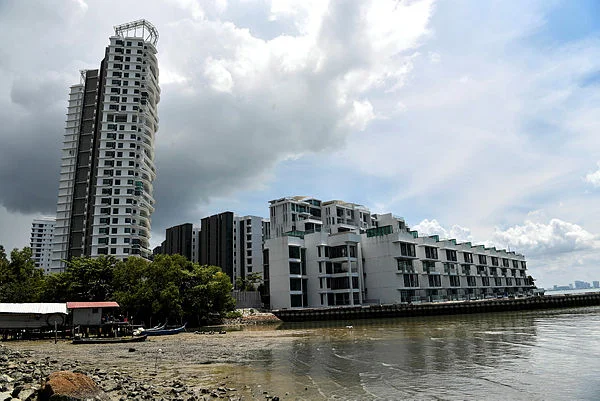
One of the most significant insights released by Juwai IQI is the link between festive tourism and long-term housing investment. Chinese New Year is the most concentrated period of international travel in the Chinese calendar, and for many, a holiday in Malaysia serves as a reconnaissance mission for future residency.
Tourism and home buying are closely linked, Ansari explained. “Chinese purchasers typically make multiple in-person visits before completing a foreign home purchase and use holiday trips to assess neighbourhoods, schools, safety and lifestyle fit. As a result, markets that attract higher volumes of Chinese visitors during major holidays such as Chinese New Year consistently see more transactions in subsequent months,” he said.
Malaysia is particularly well-positioned here as Chinese nationals currently lead foreign real estate investment in the country and account for 57% of MM2H (Malaysia My Second Home) visa holders. The high volume of visitors in Q1 2026 is expected to translate into a surge of housing inquiries and property inspections throughout the first half of the year.
Regional competition
While Malaysia leads the pack, it is not the only beneficiary. Dubai is attracting the biggest spenders, with a projected 25% to 40% growth in Chinese visitors. Singapore and Thailand are also seeing strong growth, ranging from 15% to 30%. These winning destinations share common traits: Visa-free access, short flight times and aggressive marketing through Chinese influencers and Online Travel Agencies (OTAs).
However, the nation’s specific Visit Malaysia 2026 campaign has given it a competitive edge, with authorities aiming for 10 million Chinese visitors annually.
The confluence of RM15bil in government aid, a strengthened Ringgit and a massive influx of high-spending tourists has created a perfect storm for the Malaysian retail sector in early 2026.
For retailers, the message is clear. The Cash Tsunami is coming and those who can offer value-for-money while providing the cultural Qi (energy) that international visitors seek will reap the rewards. For the broader economy, the benefits of CNY 2026 will extend far beyond the checkout counter, seeding the ground for a robust year in foreign direct investment and residential real estate.
As the Horse gallops into 2026, Malaysia is not just a holiday destination: It is the vibrant hub of a new, Southeast Asian-centric economic era.










POST YOUR COMMENTS